

Home Blog Page 290

What To Keep In Mind When You Want To Buy A Rice Cooker For Sushi?

Lately, technology has made cooking more effortless than ever before, and rice is a huge beneficiary. However, rice cookers also prepare other recipes like Sushi. Finding a sushi rice cooker that suits your needs demands proper research as several brands have products displaying various features. Read on to know which factors you have to be mindful of during your search for the top rice cookers for Sushi.

Volume of food

This is the most crucial factor when buying a sushi cooker as it decides how much food you can prepare in a go. While some models can provide space for less than one liter of liquid, others have space for over five liters. Now, space not only impacts cooking but also decides how much area the cooker will take up in your kitchen.

Having a large cooker is good as you can prepare food for a large number of people. But, if there is a shortage of space, you should opt for a smaller model to not have to carry it back to the cupboard after using it.

Price

Besides capacity, the cost of the cooker is another critical matter to be factored in. Since there are several manufacturers in the market catering to various audiences, you can come across a range of prices.

In this regard, you have to determine how important high-end features are to you as cookers with multiple traits are costlier than the expensive models.

Controls

If you buy a basic sushi rice cooker model, it will start with the push of a button. In contrast, an expensive option will have digital controls. Though they may appear challenging at first, you can have better control over your cooking. All you need to do is read the manual to know the details.

Bowl

When shopping for a sushi rice cooker, look for a non-stick bowl. Some models are safe in the dishwasher, while some models come with long-lasting stainless steel inserts.

Fuzzy logic

Basic rice cookers work mechanically. But rice cookers with ‘fuzzy logic’ use specialized computer chips that adjust cooking time and temperature without you having to feed any input.

Settings

You may want to experiment with your cooking, and for that, checking the settings is essential. Several models come with quick settings that can be adjusted as per the rice you wish to prepare.

Timer

Most contemporary models come with a screen that displays how much time is left until the rice preparation is completed. Some of the high-end models include a timer with the help of which you can begin cooking when you are not in the kitchen. 

Exterior

It is impossible to play a security guard every time you start the cooker to stop people from touching the outer surface. In case you have children or elders who tend to forget things, get models that stay cool on the outside.

Apart from these features, the top rice cookers for Sushi have some other traits that can make sushi rice cooking easier. The presence of a measuring cup and spatula, a compatible tray, or steamer basket are good examples. Now that you know what things to keep in mind while buying a sushi rice cooker, go ahead and take your pick.


What Are The Essential Things About Gardening

The world is often disoriented, unstable and sometimes infuriated. But, your soul gets the right tonic when you see a hydrangea throwing colours in your garden. Hence, more and more individuals want to play the dirt game that’s called gardening.

But, it’s not easy to cultivate an attractive and healthy garden. It’s the reason why we are discussing some tips that will help you to know about growing plants so that you can be proud of them later.

Essential things about gardening

Plants are similar to human beings. Each species has its likes and dislikes, which makes them unique. Some of these plantations like the summers while others prefer winters. It’s fun to know about your seedlings and see what’s the conditions for them to grow. However, almost all plants need some basic elements to survive.

Gardening Tools

There are some gardening tools very essential for the better gardening. Such as, lawn mower, grass trimmer, garden sheds, garden vacuum, leaf blower, garden shredder etc. You can visit Gardengrower for the best gardening tools reviews.

Solar energy

Plants enjoy the sun rays because it provides energy to them. They convert solar energy into chemical energy and use it to fuel their metabolic affairs. Can you try eating sunlight? Don’t do it because you will fail. So, who wins this round? Plants.

As you can understand, plants need lots of solar power to grow – most of them, especially vegetables and fruits. But, some of them might not feel good about too much sunlight. So, you should research which plants like summers and which one prefers shaded areas.

Water

Water is another vital ingredient for plant growth. Just like a chilled glass of beverage keeps you fresh in winters, plants need a significant amount of water to stay healthy. In some of the regions, you need to water the plants regularly to keep them stress-free and healthy.

Check the available water resources around your garden. If none of them is close to the plants, then find out an alternate to transport this precious liquid to our plantations. Morning is the best time for the supply. However, do not overwater them.

Soil and nutrients

You need to consume a healthy diet to stay healthy and fit. Similarly, plants need a lot of nutrients to grow well. It’s why fertile soil is another prerequisite for gardening.

Different plants are grown in large garden or farms to regulate a variety of nutrients inside the soil. Do you own a small garden that is not a part of crop rotation? Don’t worry, you can purchase any of the plant proteins online.

You cannot tell about the soil’s fertility using your eyes unless you have some extraordinary powers. Fortunately, there are multiple soil testers available in the market to assist you. You can check the acidic level of soil using one of these testing kits.

Do you know what the right acidity for your garden is? Well, for most of the plants a pH anywhere between 6 to 7 works well. If you notice anything lower, then use lime in your garden because acidic soil is not favourable for any of the plants except species like heathers and rhododendrons.

Acidic soils do not have much to offer. In other words, most of their nutrients are gone. Even bacteria are not effective if the pH level is less than 4.7, which means the plants will get minimal nutrients. Can you imagine pancake place under rainfall? It’s the same conditions when plants try to grow in acidic soils.

Thing changes if the soil is highly alkaline. It’s right because the plants cannot enjoy much access to minerals like iron, manganese and Sulphur. You can use iron or Sulphur sulfate to make your garden favourable for the plants.

Growing season

Know the growing season of your plants. For instance, plant them before the winters according to its arrival dates. Some of the plants might not like your region if it’s too hot, while others will need extra care if grown in cold places, for example those gardening in Alaska. Or they will proser properly if it rains regularly or there are fewer weeks available between the frosts. So, choose and raise the plants according to their growing season and climate.

Final talk

Now you know all the essential things about gardening. Keep in mind that these are only the initial steps you need to take. The real joy is to watch your plants grow without diseases. So, build your paradise or vegetable store on your property. It will add a lot of meaning to your life because you are nurturing several small lives and helping them to survive.

Everything You Need to Know About Rent-To-Own Homes

Most homebuyers use a traditional route to purchase a home; they apply for a home loan, also called a  mortgage, and pay down the loan amount each month. In order to qualify for a mortgage, the homebuyer needs a good credit score and usually must pay a percentage of the home price in advance as a down payment.

However, those would-be homeowners who don’t qualify for a home loan due to financial or other reasons can still score a home through an alternative route via a rent to own homes in nyc purchasing plan.

What is a Rent-To-Own Option?

This home buying option allows a tenant to sign a lease agreement that includes an option to buy the property after a named period of time. In these arrangements, a portion of the rent is allocated towards the down payment needed to purchase the property.

Usually, you will have to pay an upfront cost for having an option to buy at the end, which is also known as an option fee. You may also take a look at this website to explore more options.

 How Does It Work?

There are two parts to most rent-to-own agreements: a rental agreement and an option to buy.
Let’s take a closer look at both.

  • The Rental Agreement

This part of the agreement mirrors a standard lease. It includes the monthly rent amount and the length of the lease. In rent-to-own agreements, the lease term is usually 2 or 3 years. There will also be standard lease terms included as in a traditional rental lease such as whether you can have a pet or if smoking is allowed.

One difference from a traditional lease is that the renter might be responsible for maintaining the apartment instead of the landlord. Since the renters will own the house in a few years, the idea is they will be more motivated to maintain the property on their own since they’ll be doing it once they own the property. However, landlords are still required to ensure the property is habitable during the lease term.

  • Option to Buy

The second part of the contract is the option to buy a portion. It is valid until the lease term expires. So, if the rental agreement is two years, the tenant will have two years to decide whether or not they want to purchase the property. The best thing is you don’t have to worry that someone else may buy the house during the lease term.

Renters have to pay money upfront to take advantage of the buying option. The option fee varies, but it usually ranges between 2% and 7% of the home’s market value. The option fee is included in the down payment when you choose to buy the house.  If you decide not to buy, the option fee is usually non-refundable.

There can be different clauses in the agreement for which you’ll want to pay particular attention. There are two options when it comes to renting to own: lease option and lease purchase. In the lease option, you only get the right to buy the property.  But with the lease purchase option, you have to buy the property before the lease ends. So read the agreement carefully to ensure you understand which option your landlord is offering.

Tips for Rent-to-Own Buyers

Each rent-to-own scenario is unique. Buyers and sellers should understand the rent-to-own agreement terms before the agreement is signed. For this reason, it’s a good idea to consult a realtor to help both parties understand agreement terms.  It’s also a good idea to have the property inspected before anyone moves in.

  • Get Pre-Approved

You may have plans to pay for the house with a home loan.  But what if your lender declined your loan application? It will be financially damaging since you will have to forfeit everything, including the option fee.

To avoid issues later, talk to your lender and get pre-approved for a home loan. Doing so will help provide insight into how big of a loan you qualify for. Additionally, find out how high your credit score should be in order to qualify for a mortgage and make sure your credit score falls within that range.

  • Make Sure the Title is Clean

Ensure there are no insurance claims on the property, and that the house is free of debt or liens before you sign any rent-to-own agreement.

The Bottom Line

For anyone interested in purchasing a rent-to-own property, make sure to do your research. Seek professional advice and weigh the pros and cons of renting to own so you know exactly what you’re getting into before signing any contract.

Planning a New Build: Everything You Need to Know Before You Get Started

As many of us have now spent more time working from home than ever before over the last year, many homeowners have been considering building their own properties in order to create their ideal living space. Whatever size and scale of dream home you’re planning, however, it’s crucial you ensure you have everything you need before you take the plunge, to ensure your build goes as smoothly as possible.

Enlisting professional help

From the very first stage of your new build or renovation project, it’s important to make sure you involve an expert opinion as often as you can. Making your dream home a reality is only possible with the help of experts who can guide you in the best direction, and help advise you on any unexpected developments you might come across. Enlisting the help of architects like Townscape Architects will ensure your dream home gets off the ground with the most tailored, collaborative designs possible. Your building plans will be crucial to the future of your home, so choosing an architect who knows you and your project inside out will make for a much more seamless process both during the build and beyond.

Getting planning permission

Once you’ve found and purchased the plot of land you want to build your future home on, you can   begin to secure the permissions you need to begin construction work. Planning permission is one of the first hurdles you’ll have to overcome when it comes to your new build.  If you’re new to home construction, you might feel daunted by the prospect of applying for planning permission: however, obtaining the correct planning permission is crucial for your build to go ahead. Sharing your site plans, application and any necessary supporting documents with your local council sooner rather than later will make sure you don’t have to wait any longer than necessary to get your construction plans off the ground.

Ironing out unexpected costs

There are many factors that can influence the final cost of your build, from the number of storeys it has, to the unique specifications you want to include. As your project gets off the ground, it’s very likely you’ll come across unexpected costs and bumps in the road. Ensuring you plan every detail within your project will help you prepare for this, but it’s important to set aside an extra budget if possible.

If you choose to build on a plot of land you already own, you can save considerable costs. However, if you’re looking for the perfect plot to relocate you and your family to, bear in mind that this will create a big dent in your project budget also.

Planning your project lifespan

Once you’ve lined up your ideal, trusted building contractors, it’s important to check the availability of each. There’s no use waiting for your ideal building surveyor if they’re booked up for the foreseeable future. The time spent by your contractors is one of the most important factors when it comes to your overall project lifespan.

If you’re waiting to move into your property as soon as it’s ready, this will play a huge part in how quickly you can get set up in your new home. Whether you’re lucky enough to have family and friends close by, you own multiple properties or you’re renting accommodation until your build is complete, keeping a realistic timeline in mind will help you avoid any disappointment when it comes to your final move in date.

4 Tips for Renovating Your Home’s Exterior

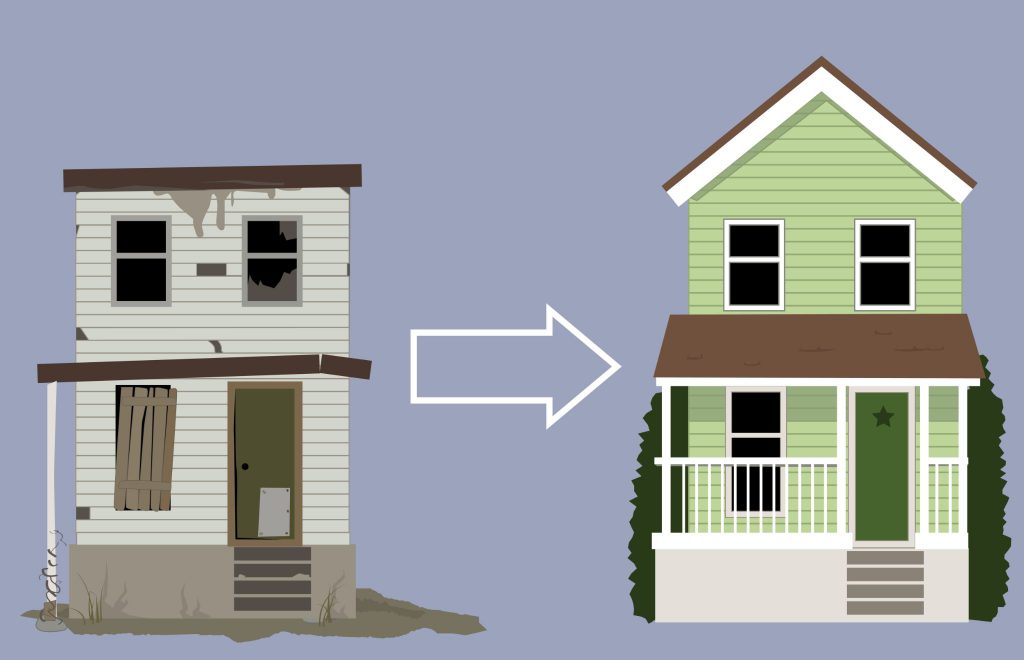
Many homeowners tend to forget the importance of boosting their home’s curb appeal. First impressions matter, and this is especially true when it comes to selling a home. A house with a poor exterior will usually stay on the market longer and may not sell well. Even if you have no immediate plans of placing your house on the market, it is equally important that you boost and update your home’s exterior to ensure that it stays on par with other homes. Here are some valuable tips to help you update your home’s exterior.

Identify your reason for upgrading

Before immersing yourself in the renovation process, you need to identify the underlying motivation for renovating your exterior. Whether you need to repair a damaged roof caused by a storm, replace a broken window, update your worn-out porch, or improve it based on the current trends on the housing market, you must establish the reason for upgrading so that you can make informed decisions during the renovation process.

Define your vision

Envision what you want your home’s exterior to look like. Research possible home exterior designs and visualize how some of them may look like on your home. List down all your ideas and categorize them based on importance. For instance, you want to update your front porch but have limited funds, consider making your front door your priority, then work on the other details later on. By having a plan and a concrete vision, you can avoid costly mistakes and the unnecessary stress that comes with it.

Set a budget

One critical aspect that you need to determine is your home exterior budget. Without a detailed and realistic budget, you may be paying more than you should, draining your finances in the process. Come up with a figure that you are comfortable with. When setting your budget, make sure to do your research first to efficiently list down all the necessary expenses and allot some of your finances to cover the unexpected ones.

Remember that renovation is a costly endeavor, so you should be prepared to handle unexpected expenditures. Once you have a working budget, you can determine the projects to work on yourself and identify the materials that you can replace or cut back on.

Create a timeline

Depending on the projects that you need to accomplish, establish a timeline for your renovation. Remember that you cannot finish everything at once, and it is unrealistic for you to do so. Think about the order of your upgrades. Can you replace your roof and shingles without removing the gutters first? Should you focus on your broken windows, screen repair or your worn-out door? Concentrate on the major projects first, then work on the cosmetic updates or renovations that don’t impact your home’s foundation. You need to develop a feasible timeline to achieve your end goals successfully.

Updating your home’s exterior does not have to be a stressful experience. With proper planning and a determined mindset, you can transform the face of your property and increase its market value.

A Guide to Block Paving Patterns

More than just laying brindle stones in formal style, straight lines are involved in block paving patterns.

From eye-catching traditional herringbone to random stretcher bond, everything today is transformed from uninspired patios and dull driveways into durable, fail-safe paving masterpieces.

This article will be complete to block paving pattern, and by reading this article till the end, you will be able to find a block paving pattern that’s right for you.

1. Stretcher bond and stack patterns

Stack and stretcher bonds are simple, popular, and formal block paving patterns. These patterns are like replicating brick-laid walls. You can use the number of bricks almost to perfection as you use predominantly whole bricks, and repeating patterns allow for quick laying.

What is stretcher bond paving?

Stretcher bond paving is also named as ‘running bond’ or ‘half bond,.’ With the longest side sitting longitudinally, the patterns are created by laying a row of bricks. This laid is almost identically followed by the second row of bricks, offset by the measurement of half a brick. Alternating the offset bricks every second row, this same process is continued until the area decided for the paving project is filled with the bricks.

Using several sizes, the stretcher bond can either be laid as a single size or as a ‘random stretcher bond.’

Check out the range of durable driveway block pavers available in the market to find the right paving blocks for stretcher bond patterns.

What is stack bond paving?

Consider a stack bond paving pattern for an ultra-uniform style. The laying process of stack bond paving is almost similar to stretcher bond, except the difference comes while lying the offsets. In stack bond paving, there is no offset between the rows of bricks. The result is the creation of clean lines that characterize many contemporary settings.

Go for the option of the sleek grey of driveway block paving for double down on your modern layout.

Keep this top tip in your mind when paving heavy-duty areas in a single-size pattern. Both of these patterns (Stack and stretcher bond) do not interlock while paving. And if we think about the consequences, the block paving could slip out of alignment without having sufficient edging restraints.

2. Herringbone block paving

Herringbone block paving attractive interlocking design even under heavy loads makes sure that the pattern doesn’t shift out of the alignment. Its perfect alignment makes it an ideal paving option for driveway paving.

If we talk about the top practical benefits of a herringbone block paving pattern, then they are not less in number.

  1. It earns you some serious style points.
  2. The intricate, chevron-like pattern imbues an elegant aesthetic touch in your paving projects.
  3. Beautiful Eye-catching patterns that will surely turn around your every passing neighbor and take note of your new paving

Normally there are two types of herringbone patterns. It comes in both 90-degree and 45-degree patterns.

What is 90-degree herringbone paving?

The 90-degree herringbone paving is the most straightforward among the two herringbone patterns. It sets pavers at a perpendicular angle of accurate 90 degrees to the baseline.

Building Herringbone paving 90- degree paving is usually easiest to build out from an established right-angle corner, preferably against an edging course.

Hammer wooden stakes around the area you are laying the paving and pull a piece of string taut around them. This will create your makeshift edging if you don’t have brick edging to guide your paving.

If you are not sure about the pavers which work best with a 90-degree herringbone pattern, then you should go for contrasting rustic hues of block Paving in Autumn lend itself perfectly to this intricate aesthetic when laid in the single 200×134 size.

What is 45-degree herringbone paving?

A 45-degree herringbone pattern establishes its baseline at 45 degrees as similar in style to its right-angle relation.

A whole lot of patience and a lot of precise measuring is required while laying down the design. In return, you’ll be rewarded with an unyielding driveway, even by using herringbone’s already strong standards.

We suggest you pair up this resilient pattern with a reliable paver; check out the Block Paving range laid in the single 300×100 size.

3. Alternative patterns

No doubt, stretcher bond, and herringbone are the most popular options while paving. They dominate all around the country with their prevalent patterns used for driveways and patios. But these two are not the only options available for paving. Alternatives patterns are designed for people who favor bold, elaborate, and unique patterns.

For instance, the Basketweave pattern encourages color experiment, and any extra design effort is so much worth it.

What is basketweave block paving?

You can create a beautiful basketweave block paving pattern just like the crisscross of a woven basket, just by alternating pairs of vertical and horizontal blocks.

Basketweave block paving is an uncomplicated design that is very easy to experiment with different colors from block to block.

Basketweave is usually best for patios rather than driveways as they are likely to slip out of alignment under heavy loads.

Give Your House A New Look with Damp Proof Paint

Introduction: 

Damp walls? There is nothing more frustrating than facing the problem of dampness on the walls of your house. No matter how hard you try to get rid of the dampness, you are unable to get rid of the unwanted moisture.

Damp on the walls of the exterior of the house is one of those things in life that never leaves you. It is a nightmare to have damp walls in your house.

What causes dampness?

Dampness on the walls is caused by the blistering and staining of the paint due to the excess amount of moisture. It is hard to escape the excess moisture that is caused due to the plumbing problems of the house or the rainwater.

We all love the rainy weather. It makes us want to sit by the window and admire the beauty of nature. However, with rainwater comes dampness on the walls of the exterior of your house. Moreover, steam when cooking, leakage of the roof, and plumbing problems are also causes of dampness.

Damp walls only become visible when you see damp patches or black mildew appearing on the wall. Using a damp-proof coating is the only solution to your problem.

If you see a damp wall in the basement or the exterior walls of your house, you should consider using Damp proof paint.

Damp-proof paint for the interior of your house

When you apply the damp-proof paint coating on the interior walls of your house, it seals the walls. The paint works as a preventive coating from letting the moisture trap into the wall. Moreover, you don’t have to worry about the moisture building upon the walls.

Once you apply the preventive coating on the wall, it acts as a protective barrier against moisture. The interior walls of your house are able to breathe freely.

Damp-proof paint for the exterior of your house

The dampness on the exterior walls of your house is trickier to handle. If you are using ordinary paint, it might not be able to stand up to the harsh weather conditions.

The exterior walls are hit by rainwater and snow. External damp proof paints need to be more effective and durable. If you want the exterior walls to stand the test of time, you should choose a paint that comes with a damp-proof coating. Get the right paint that seals the walls to let the moisture evaporate.

Is damp proof paint the right solution?  

If you have wallpaper on the wall and it is peeling off, it is an indicative sign that there is dampness on the wall. This shows that there is some kind of wetness prevailing on the walls and creating the issue of dampness.

Dampness is often a problem of an overflowing gutter, a badly insulted basement, or a broken roof tile. It is imperative for you to pay attention to the main issue of dampness if you see the plaster crumbling.

You are unable to deal with the dampness issue beforehand because it destroys the walls and causes a damp patch first. Only then you can notice that there is something wrong in your house that is causing the dampness on the wall.

Worried about the damp, mold, or mildew? Are you facing the roof leakage solution? There is an excess amount of unwanted moisture on the walls. You don’t have to wait to let the whole wall get damp. You have to go to the action plan. The best solution to dampness is damp-proof paint.

This paint is designed with special ingredients that prevent the walls from getting damp. However, it is not a cheap quick fix to the problem of dampness. You have to deal with the issue that is causing the trouble.

Damp-proof paint can be applied to the wall with the leaky roof after solving the dampness problem. Moreover, you have to keep in mind that damp paint is the best solution for damp walls. However, it is not the solution to the structural problems of your house. It acts as a protective layer that prevents the wall from getting damp.

Conclusion:  

If you see a crack on the wall of your house, you have to do something about it. The crack affects the water absorbency of the wall and it could end up getting damp. The damp patches on the exterior walls of your house could spread to the internal walls as well.

No matter what kind of damp problem you are facing, damp-proof paint is the solution to it. It is most effective when it is used after the damp-proof treatment. If you don’t deal with the problem that is causing the dampness before applying the paint, you might see the damp patches within a few days.

Flipping Homes on a Budget: Tips & Advice

It might seem that flipping homes is among the easiest ways to bring in fat chunks of cash. Buy an old place on the cheap, up its curb appeal, and voila: You’re wading through a mountain of cash. There’s no shortage of tales about flippers reaping outsized rewards for a modicum of effort. It’s the definition of easy money. But flipping failures are pretty common, too. Grand flubs and so-so efforts simply don’t get broadcast at the same volume. After all, most investors prefer to regale listeners with tales of their big wins.

Flipping a home is by no means a sure way to make money. And if you’re new to the game and operating on a truly razor-thin budget, you better have the skills to do a lot of the work yourself. Budgets get drained pretty quickly when contractors are called on. So, bust out that tile cutter, pennywise flipper, and get after it. But even if you aren’t the handiest do-it-yourselfer in town, there are ways you can flip successfully without dumping big chunks of money into your project. Let’s run down some smart ways to flip houses on budget.

Know what you’re buying.

More important than anything else, you need to find the right house to flip. Understand the market specifics—what’s the standard square-footage going rate in the neighborhood? You need a solid idea of how much you’ll need to sink into renovations—include that number with your purchase price and then determine how much the property will fetch when you list it. The numbers have to come out strongly in your favor. Otherwise, it’s probably not going to be worth it.

Overlooking large-scale structural issues is the surest way to whiff on a flip. Don’t forgo a proper building inspection before you buy. On that tight budget of yours, you want a house that requires little more than cosmetic enhancement. And know that costs associated with upping curb appeal come back to you when you sell. Dealing with a mold/moisture issue you discover after you buy? Well, that’s something you absolutely need to address, but that outlay of cash isn’t coming back in the sale price. After all, buyers hunt for things like “updated kitchen and bath,” not “new measures taken to address persistent mold problem.” We can’t stress this enough: Know what you’re getting into.

Spend carefully, but don’t be cheap.

Many rookie flippers make the mistake of cutting too many corners once the renovation begins. For example, you might see an unbeatable price on bargain-basement linoleum flooring; it’s hard to pass up a deal, but please pause before you make the purchase and roll out the cheap stuff in your investment property. How come? Well, a lot of potential buyers will turn up their noses at linoleum. They’ll pop on over to the next house and, when they spy handsome tile in the kitchen, they’re probably going to have a little easier time envisioning themselves making that house a  home.

Now this is by no means a suggestion that you need to go all-out and use only high-end materials. That’s not a wise expenditure, either. Use good materials. Just give yourself enough shopping time to hunt around for good deals. And don’t forget to check the resale market. Habitat for Humanity ReStores are a truly invaluable resource for the thrifty flipper. The local salvage yard might have some gems waiting for you, too.

Which are the most critical improvements?

According to Southern Living, a renovated kitchen ranks second on the list of must-haves for potential home buyers. Not especially shocking, right? But you may be surprised at what comes in at number one: a back porch or deck. Didn’t see that coming, did you? But put a little thought into it and it begins to make sense. When considering a new home, the mind almost instinctively goes to two things: Where can I lounge in this space, and will it be suitable for entertaining guests? And, dear reader, where do we lounge and entertain guests? Those things generally go down in our kitchens and on our back patios.

So, what’s our takeaway here? Well, the most prominent lesson here is you need to update that kitchen. That might cost you a little bit, but you’ll get that money back. But you should also put some effort into crafting an inviting chill spot outside the home. Sure, this can be a back porch or a deck. Perhaps the house you’re working on has a porch or a deck that could use a little sprucing up. Go ahead and spruce it. But know that you don’t have to spend big here to get a lot of return.

If the home in question lacks a porch or deck, consider economical ways to right that wrong. But know that a humble addition done right can bring back a mega-bang for your buck. If you have good taste and a little creativity, you can get by with paving stones, tastefully arranged foliage, maybe some funky string lighting. A little imagination can go a long way toward creating an affordably crafted patio space that’s great for entertaining.

You can do it, put your sweat into it!

The more you can do on your own, the more money you’ll save. That’s as obvious as it gets. But that doesn’t mean that only versatile do-it-yourselfers can make money on flips. Do the things you can do, and even if you don’t consider yourself especially handy, you can surely do more than you realize.

The fact is, pretty much anyone can paint well if you know how to cut in. Beyond that, though, most of us can at least handle a little bit of demo. If those kitchen cabinets gotta go, rip them out yourself. If nasty old carpeting needs to come up, grab a corner and yank. Any little bit of sweat you put into the job is going to save you money.

The Essential Tools you need to Build a Deck

Decking is among the easier forms of home improvement. It’ll add considerable utility and value to your home, almost overnight, while providing you with an outdoor living space to unwind in. Building a terrace is well within the means of a half-competent DIYer, equipped with a little bit of confidence and a well-detailed guide.

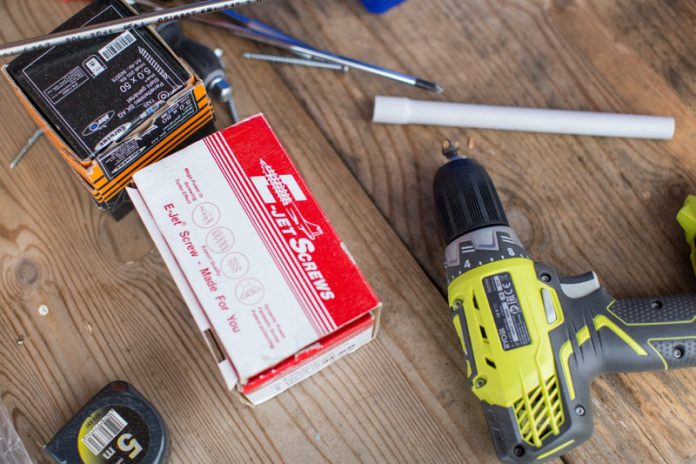
But to stand the best chance of success, you’ll need to attack the project armed with the best possible tools. Let’s run through a few of them.

Measuring Tape

Your measuring tape should be rugged enough to be easily handled, and resistant to any adverse weather you might run into outdoors. It should therefore be metal, and long enough to stretch from one side of your decking to the other.

Laser Level

A laser level is a device that will make the process of lining up straight edges that much easier. Laser levels come in a variety of configurations: some project the beam straight down; others project it horizontally, in a line. Look for a green laser level: these are the most visible and power-efficient.

Spirit Level

As well as a laser level, you’ll want a spirit level so you can perform quick spot-checks around your new decking. Look for something that’s several feet long, that’s metal and that’s robust.

Hammer

A claw hammer will allow you to bash in new nails, and remove old ones. Look for something that’s easy to handle, with a nice weight to it.

Ladder

A ladder is an essential piece of equipment, especially if you’re going to be building a roof for your decking. You don’t want to be wielding a hammer (or any other tool) while you’re stretching way overhead.

A Square

If you need a quick and efficient means of measuring a short distance, or ensuring that a given angle truly is ninety-degree, then it’s difficult to beat the set square. Look for one that comes with both imperial and metric.

Circular Saw

If you’re going to be working with wood, rather than merely assembling it, then you’ll need the right saw. A circular saw will allow you to keep things perfectly straight, provided you’ve got the right support and expertise.

Cordless Drill

Modern lithium-ion batteries make it possible to wield a drill even when you’re at the bottom of the garden. A decent cordless drill should be an essential purchase for a range of tasks around the home.

Fasteners

If you’re going to build a frame deck, then you’ll need fasteners that are capable enough that the whole thing won’t fall apart. If you’re building a wooden deck, then foundation screws with an indentation will ensure maximum clamping.

How Much Space will A Loft Conversion Give Me?

If you feel constrained or limited space is affecting your family’s well-being, transforming underutilized loft space, or expanding the space you already have is an intelligent choice with both short and long-term benefits. When you convert a loft into a living room or bedroom, you provide extra space to your family and increase the value of your home. You should also think about the cost and try to answer the question – how much does a loft conversion cost?

The cost of a loft conversion depends on the size of the expansion, your location, and the number of dormers are essential elements that influence costs. Anticipate paying around £15,000 for a conventional room-in-the-roof loft conversion to around £90,000+ for a modular loft conversion that is manufactured off-site and craned into position. To break loft conversion costs down further, identify the type you are going for:

1) Basic Loft Conversion

The simplest of loft conversions, for instance, room in the roof conversion, usually involve floor reinforcement, insulation, skylight(s), a staircase, lighting, electrics, and heating plus fire safety standards. Such conversion prices can start from around £15,000 (or approximately £1,150 – £1,350 per square metre).

2) Dormer Loft Conversion

If the standard roof-light conversion does not provide enough head height or floor space, the Dormer Loft Extension can be your next best alternative. Expect to pay roughly £20,000 for a simple conversion; it includes all the essential features plus a dormer window. If you want a suite and a master suite-style finish, expect to pay around £35,000 (or about £1,250 – £1,450 per square metre).

3) Mansard Loft Conversion

A mansard roof has two pitches on each side: less steep at the top and very steep on the other sides. Anticipated cost: £35,000 – £45,000 upwards (from £1,500 – £2,500 per square metre).

4) Hip-to-Gable Loft Conversion

A hip to a gable loft conversion is a prominent option for many semi-detached or detached properties with a hipped roof, which is a roof with a sloping side in addition to the slopes. On average, the cost would be £25,000 to £30,000 upwards (prices range from £1,500-£2,500 per square metre).

5) Ready-Made Loft Conversion

Off-site fabrication and placement through cranes save time and money, primarily if you reside in a location where labour prices are elevated. The average cost will be around £55,000 or above as per the customization.

6) Roof Structure Conversion

This is the costliest of options since removing and rebuilding the roof will require an experienced designer and increase labour and material costs. This type of conversion is likely to cost upwards of £40,000 (or from £1,350-£1,550 per square metre)

Do Loft Conversions Increase the Value of a property?

According to Nationwide Building Society research, loft conversion with a bathroom and a double bedroom can increase the value of a three-bed, one-bathroom property by roughly 20%.

Removing a Loft Conversion Cost

The most straightforward solution is to demolish the staircase and replace it with a conventional loft access hatch. This would cost between £500 and £1,000.

In a Nutshell

When undertaking construction work on your home, think about how much value the changes will bring to the current property. Local estate agents should be consulted to gain a better understanding of the prospective sale price of properties in your region that underwent a loft addition.

Recent Posts

Posts You Might Like