


Home Blog Page 315

What is Mosquitron? Why Do You Need This?

The fight against mosquitoes is by no means easy. These pesky insects risk ruining our summers, day and night. But something can be done. Various devices have been developed which have certain effects. From them, The Mosquitron is more effective than others. Now, What Is Mosquitron? Why Do You Need This? It does not use chemicals to attract and kill mosquitoes, only UV light and a powerful noise-free suction fan. Its range of use is 40 meters which is enough. It has a high-quality plastic structure that makes it resistant even to external situations. You can use Mosquitron in the garden or on the balcony of the house.

What Is Mosquitron?
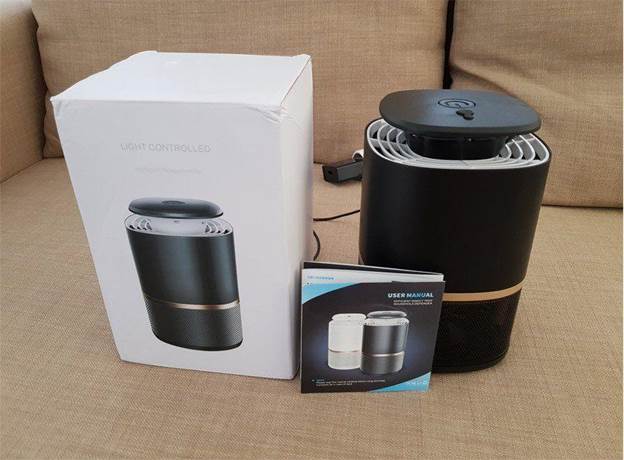
The Mosquitron has 360-degree UV light technology that attracts mosquitoes and insects with blue light. When mosquitoes come close to the device, a powerful fan sucks them inside and the UV ray kills by dehydrating them. Its attraction range is 40 meters, which is enough for a large surface. The insects are caught in a tray so you can clean them easily. Its ABS plastic construction ensures durable performance indoor and outdoor. All functions are automated, so it works without pressing buttons. It consumes less power, so you can power it through a power bank using a USB cable. Check out the comment for mosquitron to discover its effectiveness according to (source).

Features of the Mosquitron

The Mosquitron satisfied more than a thousand customers. It has some notable features that make it more convenient and effective. The features are:

  • No chemicals and toxic elements: Mosquitron uses UV light that does not produce harmful radiation. Also, It does not use chemicals like mosquito spray. The chemicals and radiation cause long term health problems. The UV mosquito killer provides harmless performance day and night.
  • Portable: The dimension of the Mosquitron is 17cm X 13cm, so you can easily place it anywhere you need. The detachable tray provides a lighter performance. I have used it indoors and outdoors. It performs better in all situations.
  • Silent operation: It has 360 degrees UV technology and a powerful suction fan that provides quiet operation. If you place it in a room, you will not see any noise. Its UV light spreads to attract insects with effectiveness.
  • Coverage area: Mosquitron comes with a capacity to attract and kill mosquitoes, insects from a large surface. It attacks insects from 40 meters and sucks them into the Mosquitron tray. Then they are killed by the dehydration system.
  • ABS plastic structure: The device is designed with a thermoplastic polymer that provides long term It has a tray where killed insects are stored. You can easily clean it by dethatching. For this type of construction, you can use it outdoor, even in rainy weather.

How Does Mosquitron Work?
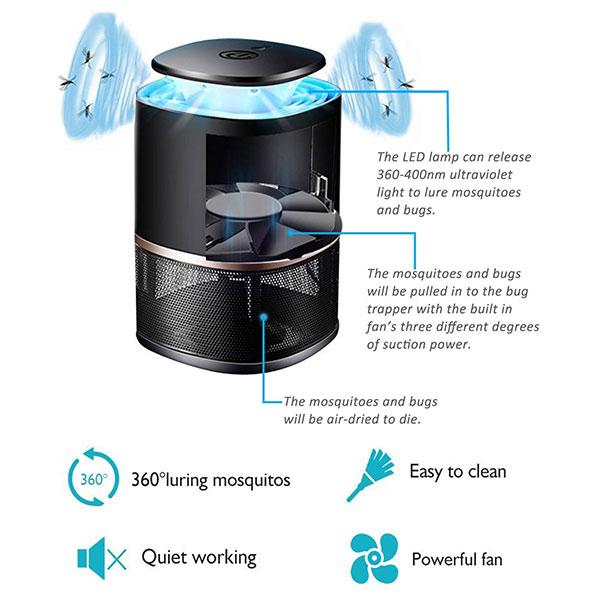
Mosquitron works with an automated process, like plug and play. It helped me to avoid the aerosol spray, coil and chemicals. It is powered with a USB cable so that you can apply it anywhere through a USB power source. Let’s see how it works:

  • Attraction: It projects blue-colored UV light to attract insect, mosquitoes from up to 40 meters distance.
  • Suction: When the insect comes close to the light, a powerful silent fan sucks them inside the chamber.
  • Kill: After suction, the insects are killed by the dehydration process and stored in the tray.

Detach the tray to sanitize it to use again.

Why I need Mosquitron

Mosquitron shows excellent performance in killing mosquitoes and insects. It replaces the chemical repellents and sprays that are harmful and risky for us. The Mosquitron does not use these harmful chemicals to kill mosquitoes. It attracts the insects with its UV blue light projection and sucks them with a noise-free fan. When the insects are sucked inside, they are killed by dehydration. The total function is hygienic and eco-friendly.

On the other hand, Mosquitron satisfied over thousands of users as a mosquito killer. It can be used indoors and outdoors. The ABS plastic design provides long-lasting and resistant performance. For these perks, we should need the Mosquitron.

Where to buy the Mosquitron?

If you are worried about the mosquito, I suggest you get the Mosquitron from here right now. It is the most advanced and safe mosquito killer. Thousands of users are satisfied with its performance. It provides durable and waterproof performance. The manufacturer provides a lifetime warranty option. Also, they provide fast delivery worldwide.

Final thoughts,

Mosquitron allows you to protect yourself from the bites of mosquitoes. We know that sometimes mosquito bites cause severe illness and death. You must keep 24/7 protection. Sprays and coils cannot be used all time and they are harmful to us. With the Mosquitron, you can also be protected indoor and outdoor. It runs with a small amount of power, so you can use a power bank to use it outside. Get the Mosquitron and get rid of the bloodsuckers.


5 Steps To Hiring The Right Contractor For Your Next Project

A brand new home improvement or renovation project can rapidly become a homeowner’s worst nightmare. That’s why hiring the right contractor can help reduce the stress of completing a renovation. Hiring a potential contractor is a meticulous, nuanced process that can ultimately be incredibly rewarding. It requires some diligence on your part and plenty of planning. So where do you start? Keep reading for a few things to keep in mind when selecting a contractor for your next project.

Have a plan ahead of time

The key to a successful home construction project is planning. For smaller projects, you can lay out a design for what you hope to accomplish—whether you hire a professional designer to help is optional—and use the design as a jumping point for creating a detailed plan. Go into the process with an idea of what you want to be done, how you want it accomplished, and what you’re willing to spend. Keep in mind other significant factors that may affect your project/plan. These include:

  • Material costs
  • Specifications
  • Materials you must supply
  • Total cost estimate
  • Length of job
  • Bids
  • Scope of work

Once you’ve spent some time working on lining everything up, it’s simply a matter of selecting a contractor to do the work. Don’t forget to obtain any necessary construction permits and always plan around your established budget.

Verify licenses, referrals, and insurance

A professional construction firm should be licensed to operate within your state. Each state has different qualifications and procedures for obtaining/holding a license. Luckily, State Consumer Protection offices maintain an online database of licensees to help consumers find licensed professionals. Dealing with an unlicensed contractor can cause liability issues (including property and injury), permit problems, or financial for unsuspecting homeowners. It’s also vital to make sure your contractor has up-to-date insurance and it may be prudent to check if they’re bonded. Liability insurance covers contractor-caused damage to your property but has almost no effect on poor work. That’s where bonding comes in. Bonding offers consumer protection in the event the contractor doesn’t finish the work or fails to secure permits. An insured and bonded contractor gives you more agency and protection in the event of any severe issues related to construction. Aside from licensing and insurance, referrals are an excellent way to locate a reputable contractor. You can check various Trade Association websites, local shops, and speak with other customers to get referrals on potential contractors. This can provide crucial insight into how a contractor might perform in the role if you decide to hire them.

Evaluate several potential contractors for the job

The best bet for finding the right contractor is to conduct a comprehensive and thorough online search. Find a reputable, trustworthy company by searching for “contractors near me“ online. This should reveal an extensive list of contractors in your area, including ratings and contact information. Thoroughly peruse the list, read some customer reviews, and select a few contractors with whom you’d like to work. Keep in mind you’ll be spending quite a bit of time working with the contractor. Once you’ve narrowed your search and reached out to the ones you like the most, consider meeting several contractors face-to-face to conduct interviews and assess their skills before finally selecting one for your project.

Find out how much work will be subcontracted

There is a good chance your contractor may subcontract a portion of the work for your project. This provides a means for the company to complete tasks or aspects of the project they wouldn’t normally handle within their company. Subcontractors can take on any specialty services required for the project, save time by handling small tasks, and ultimately reduce the cost of the project. Finding out how much work is going to be subcontracted (there is such a thing as too much) can give you a better idea of job length, scope, and budgetary concerns.

Don’t be afraid to ask plenty of questions

Perhaps the most practical thing to do when seeking a contractor is to ask as many questions as possible. Start with finding out how long they’ve been in business. Many professionals have extensive experience with the type of work they do, so inquire about the details. Finally, ask the contractor to guide you through a typical work way. How does the day go? Will they need you for anything? What are the start and end times? How will they clean up after each day? All of these questions are worth asking potential contractors during the hiring process. Getting to know your contractor better will ensure a good start to your project and ultimately help it meet your goals and expectations.

How to Select The Best Roofing Materials for Your New Home

Your home’s roof is an essential investment that is expected to last for decades. Apart from the aesthetics and construction element, the roof plays a vital role in ensuring the safety of occupants against harsh weather conditions and outside intrusion. Therefore, your home’s security and functionality largely depend on the roofing material you select.

With a wide range of options available, selecting the best roofing material can be a mind-boggling task for many homeowners. Fortunately, here are some essential tips by professionals like infinity energy to choose the best roofing materials for your new home.

Consider Energy Efficiency

Roof materials largely contribute to your monthly energy bills. Consider high-quality materials with higher thermal insulating properties and tend to reflect light rather than absorb it. With a cool roof, you won’t need an air conditioner to regulate temperatures to a comfortable level. This reduces your energy costs significantly.

Metal roofs are extremely energy efficient since they tend to reflect away the sun’s heat, reducing your cooling bills. For this reason, they are used together with asphalt shingles, which have low energy efficiency ratings. Additionally, materials such as concrete tile and slate have excellent thermal insulating properties, saving energy significantly.

Look At The Durability

Installing a new roof is one of the most expensive home improvement repairs that homeowners incur. Thus, finding a durable roofing material that can withstand extreme weather, fire, and insects can help prevent future costs.

It’s worth noting that various roof materials have different strengths and durability. Cheap materials are often vulnerable to harsh environmental conditions, and you may be forced to make constant replacements.

Metal roofs are popularly used in places that are prone to fire due to their higher fire-resistance ratings. Moreover, they are built to resist stains and have a higher strength to withstand strong winds and rainstorms.

Materials such as clay and cement tile roofs can be used everywhere due to their incredible strength and durability. Conversely, wood shake shingle roofs may be restricted in places prone to wildfires due to their low fire-resistant ratings.

Therefore, consulting a reliable Cincinnati roofing company, can help you select durable materials that are effective with your area’s climate.

Longevity

Roofing materials have a varying lifespan based on their unique properties. Hence, ensure that you choose materials that best meet your goals. A material with a longer lifespan saves on constant replacement costs. The following are different roofing materials with their lifespan.

  • Metal roofs: When properly installed, they can last between 50 to 75 years.
  • Asphalt shingles- lasts for approximately 20 years and must be meticulously maintained
  • Rubber slates – can last up to 100 years if properly maintained
  • Lay tiles – can last to 100 years if properly installed and maintained
  • Wood shakes shingles – 35 years with proper maintenance
  • Built-up Roofing – 20 to 30 years with regular inspections in place
  • Wood Shingle – 20 to 30 years

Consider The Cost And Level Of Maintenance

Maintenance should be a significant concern when opting for roofing materials for your new home. Some roof materials are costly to maintain based on the cost of repairs and ease of cleaning. Homeowners should opt for materials that are easy to clean and attract lower maintenance costs. The following is a list of roof materials and their level of maintenance.

  • Metal shingles – they have low maintenance due to their durability features. Also, they are easy to clean since you only need to hose off debris and dirt occasionally.
  • Slate tile – you need to invest in a regular inspection to ensure the roof remains in good condition. Moreover, cleaning should be handled by professionals due to their fragility.
  • Concrete tile – they attract low-maintenance and require occasional hosing to remove dirt and collected debris.
  • Stone-coated steel – homeowners are required to check for exposed fasteners, rust, and damage over time. Moreover, occasional hosing off debris should be done to maintain its quality.
  • Wood shingles and shakes – these materials are quite fragile and need to be treated regularly to prevent damage.
  • Standing Seam – these materials need to be fastened from time to time due to constant contraction and expansion. However, they require minimal maintenance compared to other materials.

Cost of Materials And Installation

The budget comes into play when choosing roofing materials. Different materials vary in cost, depending on the brand, insulation properties, quality, and production costs. Homeowners should also consider the installation costs since they influence the overall cost of the material. The following are some popular roofing materials and their cost estimates.

  • Metal roof – this is one of the costly roof materials due to its lower maintenance costs. You can expect to pay between $7 and $9 per square ft.
  • Clay tile – this is an expensive material due to its longer lifespan and higher installation costs. You can expect to pay between $12 and $18 per square ft.
  • Standing seam: This material attracts higher installation costs due to the limited number of qualified contractors. You can expect to pay between $7 and $13 square ft.
  • Concrete tile – the material attracts an installation fee of 30%-50% of the material’s total price. You can expect to pay between $6 and $10 per square ft.
  • Wood shingles and shakes – wood shingles are affordable, ranging from $4 to $9 per square ft. However, they have high installation costs due to their complexity.

It is important to note that just because a material is expensive doesn’t mean that it has a longer lifespan. Thus, it is essential to contact a reliable roofing company, such as Cincinnati roofing, to help you select a material that best suits your needs and budget.

Selecting the best roofing materials for your home is an essential task that requires meticulous considerations. Looking at the cost, durability, lifespan, energy efficiency, and maintenance cost will help you make an informed decision.

4 Steps on How to Build an Easy yet Effective Fence

If your garden or farm is often visited by wild animals, then you may want to put an end to it. After all, whether you have organic fruit and vegetables, herbs or flowers growing in your garden, you won’t want them completely destroying it. An easy and extremely effective way of putting a stop to this is to build a cheap fence around the area you’d like to protect. Check out our 4 simple steps on how to construct and install a fence by yourself!

1. Set the Fence Posts

The first step is to set the wooden posts in the ground. You will have to use a hole digger to create some holes in the corners of the space in which you’d like to build your fence. Depending on what sort of shape your fence will be, you’ll need enough posts according to that. These holes should be at least 2 feet in the ground. Feel free to add more posts between two corners, as these will assist in anchoring the fence. Make certain that the posts are set in the ground in a stable manner, you may need to pour some concrete around them to fixate them better and keep them in place.

2. Install the Mesh Wire

Next you will have to attach your mesh wire to the posts. The wire should be wrapped around the outer side of the wooden posts. Level the mesh wire according to the height of the posts. Leave a 2 foot space between the bottom of the mesh wire and the ground. Connect the mesh wire to the wooden posts using fencing staples.

3. Attach the Hardware Cloth

Your fence should help in defending your garden or farm against animals such as rabbits. Because of this, it is advisable to add a hardware cloth to the fence. Dig a shallow (approximately 1 foot into the ground), wide trench all around the outer side of your fence. This is where you’ll have to press your hardware cloth inside. As for the remaining material, that won’t necessarily fit inside the trench, attach it to the posts using the fencing staples. Thanks to this handy material, your garden will be protected from animals that might want to dig tunnels reaching right into your plot of ground.

4. And Lastly, the Gate

Now that you have surrounded and encased your garden or farm with proper fencing, it’s time to install the final and an important part of your fence. This is no other than a gate! Set your gate between two of the wooden posts with the help of hinges. This should give it a sense of stability, as well as closing off your gate from the prying eyes of wild animals. You can use an eye and hook latch, which will maintain in keeping your gate properly shut. Naturally, feel free to install a different sort of gate according to your style or preference, this is a very simple version!

We trust that this short guide helped in building a fence by yourself!

How To Clean & Care For Your Quartz

So you’ve taken the plunge and installed quartz countertops in your home — congratulations! Engineered quartz countertops rival the appeal of real stone without the high maintenance. In addition to the stunning look quartz adds to your home, it’s also known for being durable, versatile and invulnerable to bacteria and mold. Even so, quartz still requires proper care! Fortunately, it’s not too hard to take care of your investment. Here is your guide on how to properly clean and care for your quartz to keep it shining like brand new.

Regular Quartz Cleaning

Wipe your quartz countertops with mild dish soap and a sponge or a soft, microfibre cloth. After dipping the cloth in a warm mixture of soap and water, gently but firmly wipe down the countertop. Wipe them down as often as necessary — daily wiping and attention to spills will keep your quartz clean and maintained.

For dried spills, you can use a glass or surface cleaner (check with your quartz dealer to make sure it is an approved cleaner) with a soft sponge, such as those designed for nonstick pans. You can use a putty knife for hardened spills like food, paint, nail polish or gum — but be careful and gentle when scraping off that buildup.

If you’re getting rid of grease on your quartz countertop, make sure you use a cleaning spray or degreasing agent that is meant for use on quartz and contains no bleach, as that may damage your surface. These kitchen degreasers loosen and remove the grease from the quartz countertop surface. To use, spray the countertop generously, then wipe it off immediately with a sponge or wet towel.

At regular intervals, you should do a deep clean of your quartz countertop in addition to the daily maintenance. Spray a generous amount of a nonabrasive surface cleaner on your countertop and let that sit for 10 minutes. Wipe away with a soft cloth or sponge.

Removing Tough Stains

If you’ve unfortunately got a tough stain on your quartz, such as a permanent marker for instance, there are a few ways you can remove it. Adhesive remover, such as Goo Gone, can help to rub away tough stains. Apply the Goo Gone directly on the stain and allow it to rest for five to ten minutes. Wipe it off with a wet cloth, then wipe off again with warm water. Rubbing alcohol also works as a stain fighter; add it to a wet cloth and rub the stain, then wipe the surface again using just warm water and a cloth.

Prevent Damage to your Quartz Counterto

Protect your investment! Even though quartz is engineered to resist stains for a small period of time, do not let spills sit for too long and prevent any damage by wiping up messes as quickly as possible before they have a chance to dry. You can clean up a recent spill with a cloth doused in warm water and soap.

Avoid getting your quartz countertop in contact with super hot temperatures — rather than placing hot pans or pots directly on the countertop, use a mat or trivet as a barrier. A sudden change of temperature or prolonged exposure to heat from a pot left on the countertop can even cause the quartz to crack — not good!

If you’re sipping on a citrus-based juice or cocktail, be sure to use a coaster — high acid liquids such as citrus are not friends to quartz counters. This also applies to harsh acidic cleaners, which should not be used to clean your countertop. Clean up extremely acidic or alkaline spills from your quartz countertop immediately.

Though the hardness and durability of quartz may be tempting, do not cut or chop food directly on your countertop. While quartz may be scratch resistant, it is not scratch proof, and it certainly does not double as a cutting board! Ensure you use a cutting board for slicing food to keep your countertop free of ugly scratches — as a bonus, this keeps your knives in good shape too.

Lastly, quartz is not ideal for an outdoor surface — sunlight, along with the unpredictable elements, will warp or split the material, as well as fade the colours.

Quartz is the ideal combination of timeless and modern, and a great addition to your kitchen and home. Preventing any damage, along with regular maintenance and cleaning, will help you to keep enjoying your quartz countertops for years to come.

3 Best Hot Tub Filters Available in The Market Today!

Filters for hot tubs are essential equipment that you cannot miss in every hot tub. Hot tub filters trap contaminants such as body oils, lotions, and dirt present in hot tub water thus making the water safe to use. Hot tub filters have folds that trap these contaminants. The filters should be cleaned regularly to enhance their efficiency. There is a wide range of hot tub filters in the market from various brands. The filters come in various sizes to fit every type of hot tub to ensure the system runs smoothly.

Here is a brief overview of the best hot tub filters to use

Hot tub cartridge filters

Hot tub filters are commonly used in hot tubs because they are easy to use and maintain. They are relatively cheaper and the rate of their efficiency is high. They are made of pleated plastic material. The plastic material is housed in the polyester paper. They have the shape of a cylinder.

How hot tub cartridge filters work

The water flows through the end of the cylinder, and the contaminants are trapped and stored in the tank. The cleaned water is then oozed out through the other opening of the cylinder and filtered back into the hot tub. The filtered water is safe to use contaminants are eliminated.

Hot tub cartridge filters can last 3-5 years depending on the size of the hot tub.

Hot tub sand filters

Hot tub sand filters are often used in hot tubs because they are cheap as compared to other filters. They are made of spherical containers filled with silica sand. It is the least effective filter because sand can only trap the large particles of contaminants leaving the microscopic particles.

How hot tub sand filters work

Water passes through the sand and particles are trapped in between the sand. When the sand filters become full of contaminants, backwashing is recommended. Backwashing is a process that reverses the flow of water through the sand filter. This process allows all the trapped contaminants to be released from the sand and spewed out of the hot tub. The hot tub needs to be balanced with chemicals to ensure microscopic particles which were not trapped are killed.

Water needs to be replaced in the hot tub as some water is lost through the backwashing process.

The sand in hot tub filters needs to be replaced after 5-7 years as sand will tear down overtime thus becoming ineffective.

Hot tub diatomaceous earth (D.E) filters

Hot tub diatomaceous earth filters contain several mesh grids covered with a thin layer of diatom powder. Diatom powder is fine and white. They are the most expensive as compared to other filters. Diatomaceous earth filters have high efficiency.

How hot tub diatomaceous earth filters work

The filter allows the clean water to pass through the mesh grids while trapping contaminants. When the mesh grid gets clogged with contaminants, backwashing is required.

Diatom powder can be hazardous therefore careful precautions should be taken when handling it.

Hot tub diatomaceous earth filters do not need to be fully replaced very often, but the diatom powder requires a replacement after 30 days.

Wrapping up

In conclusion, hot tub filters are innumerable but the above article clearly outlines the best hot tub filters to use. Without a doubt, the above hot tub filters stand out as the best filters in the modern market.

Top 5 Tips to Turn Your Home into an Urban Jungle in 2021

The Urban Jungle trend or the so-called Jungalow style came into being as a reaction to the over-urbanised spaces that we live in. It especially grew in popularity over the last year as most of us tried to adjust to the new reality of being more indoors.

The Urban Jungle style came as an innovative response to our needs of feeling closer to nature, as we want to transform our closest surroundings into a more welcoming and healthy space.

The Jungalow style is a botanically inspired look, seen as an answer to the scarcity of greenery, clean air, nature, and everything organic.

The Urban Jungle style was born in the effort to find a solution for those of us not lucky enough to have a garden.

The Urban Jungle approach tries to diminish the distinction between the outside and the inside.

Living plants play a big part in converting your space into a jungalow, but other elements can help you achieve the vibe.

In this blog post, we are looking at 5 easy ways to help you steal this look.

  1. Include Living Plants. And … Even More Plants!
  2. Choose Botanical Pattern
  3. Select Natural Materials
  4. Pick Earthy Tones Hues
  5. Opt for Unique and DIY Accessories

1. Did you know that plants can make your home healthier and cosier?

In her book “The Interior Design Handbook,” Frida Ramstedt analysed different interiors, figuring out why some of them were felt cosier than others. Besides the light sources and choice of furniture, she came across another great answer:  Living Plants.

Living plants can transform a space from cold and unwelcoming to warm and inviting.

It is not enough to place some small plants on your windowsill to achieve this look. You need to go bold with tall, mature plants with striking foliage that will help you anchor the space. The more you can fit in, the closer you will be to achieving that Jungalow Expert title.

The most suitable indoor plants to match this style are: The Swiss Cheese Plant

(Monstera Deliciosa), The Banana Plant (Musa), The Fiddle-Leaf Fig (Ficus Lyrata), The Elephant’s Ear (Alocasia), and The Chinese Money Plant ( Pilea Peperomioides).

2. A different way to incorporate urban jungle feels into your space is to include a botanical pattern. This can be expressed in the form of wallpaper, upholstery, fabrics, and wall art. The urban jungle style includes bright colours and bold botanical prints, layered textiles, and distinctive accent pieces.

Experiment with vintage-inspired floral wallpaper or wall murals in dusky pinks, taupe or soothing greens to create a wonderful sense of nostalgia.

From one-of-a-kind rugs to botanical bedding selection, choose vivid flower patterns and prints in dynamic colour palettes. Pick antique Persian or Turkish rugs for an extra layer of warmth and cosiness.

Botanical prints are a great way to infuse interest while adding to the jungalow feel. You can also use wall stencils to create botanical DIY wall projects to match your green oasis home.

3. In addition to plants and botanical prints, urban jungle interiors also contain other elements that improve the environment’s quality, such as objects made from natural materials.

To style your urban jungle space, the choice of materials should remain very natural. Opt for wood, cork, rattan, and fabric. In a jungalow home, you will also find that reusing, recycling, and DIY are the three big magic words.

Choose textiles made of natural fibres such as cotton, wool, linen, and raw materials for your furniture and accessories such as bamboo, cocobolo and rattan. You can also add large floor rugs made from seagrass or sisal.

Pick handcrafted items or pieces fabricated using traditional techniques. Display canvas and wall hangings crafted from warm white wools and linens.

Use stained woods for shelving to display mini-succulents and pretty cacti.

4. Creating botanical heaven can also be achieved through the clever use of colour.

They say greenery is nature’s neutral, so bringing greens and earthy tones into your home will help you achieve that inherent unity of the natural world.

Pairing cool white walls with vivid, fresh green will make your space feel light and airy.

If you feel daring, you can choose a gorgeous green shade for all your walls or pick beautiful tropical prints in tonal greens such as sage, olive, zesty lime, or forest greens.

5. An urban jungle space is a big fan of DIY items, reinvented pieces of furniture, and unique accessories.

Choose perfectly imperfect pieces with rustic edges and signs of age. Include second-hand furniture and handcrafted elements such as woven textiles or knotted with cords and ribbons.

Don’t be afraid to convert old furniture into new reinvented pieces. For example, you can use chalk paint in warm pastels to restore old tired items into expensive-looking French-inspired pieces. Or give a brand new life to your tired wardrobe and convert it into a doorless plant shelf.

This style’s beauty is that you don’t need expensive designer items to choose furniture and accessories. Treasures from the flea market and exotic souvenirs collected from journeys will do just fine.

A good choice of accessories for this style are handwoven rugs, ceramic and clay pots, rattan baskets, and hand-stitched cushions.

Urban Jungle Bedroom Style

The bedroom, especially the urban jungle style, can be opulent and modern with elegant and rich colours mixed with natural details.

Natural light-filled spaces are perfect for real plants in the bedroom, providing clean filtered air while you have a restful sleep.

Darker colours are the ideal buddy for the jungle greens that correlate with exotic interior accessories like patterned bedding. Infuse materials such as velvet and linens to keep the trend alive and long-lasting.

Rubberwood Bed Frames

Rubberwood is a light-colored medium-density tropical hardwood obtained from the Para Rubber Tree. Rubberwood is also a sustainable timber, so a rubberwood bed frame is an environmentally friendly choice as it makes use of plantation trees a perfect fit for your urban jungle-style bedroom.

Final Thoughts …

If you want to be part of the plant tribe, you can now create your very own botanical heaven with these easy tips.

With just some simple rules to follow, transforming your home into a green oasis it’s never been easier.

Sleep Hacking: Bedding Edition

If you haven’t heard of the phenomenon of sleep hacking, you aren’t missing out on much. Sleep hackers believe that it is possible to reduce the amount of required sleeping hours by strategically scheduling sleep throughout the day. In theory, this allows you to get more out of your rest periods and be more productive while awake — but in practice, few sleep hackers have found success.

Instead of trying to restructure your sleeping schedule, to get better sleep you might instead try rethinking your bed’s structure. Here are a few easy bedding hacks that almost anyone can do to get better sleep.

Invest in a Green Mattress

It might seem odd to prioritize the sustainability of your mattress over other features, but in truth, natural mattress materials can facilitate better sleep. Plenty of mattresses are made with materials that are bad for your health.

In particular, some synthetic mattress materials off-gas, which means as they age, they release compounds into the air. Some of the off-gassing consists of volatile organic compounds, or VOCs, which are known to cause a range of health problems from irritation to the nose and throat to respiratory problems and even damage to the central nervous system. Low levels of VOCs have been deemed relatively safe, but plenty of people are sensitive to VOCs and have more severe reactions to their presence. The worst culprit for off-gassing is memory foam, which is made of polyurethane, but other types of mattresses can generate VOCs thanks to flame retardants and other added chemicals.

Buying a green mattress is a simple and effective way to eliminate the possibility of VOCs in your sleeping environment. Because green mattresses are made with organic materials, they won’t generate toxic fumes — either in your bedroom or into the environment at large during the manufacturing process.

Lay Down a Mattress Protector

Sustainable mattresses can come at a slightly higher price, but if you make the effort to protect your mattress, your investment will last so much longer. A mattress protector is another layer of bedding that goes between your mattress and your fitted sheet. Made of more durable material, the protector effectively catches all the body sweat and oils, skin cells, hair and other dust and grime that seeps into your bed as you sleep. Because you can remove the protector and wash it with the rest of your bedding, the protector works to keep your mattress clean, prolonging its life while improving your sleep.

Without a mattress protector, your mattress is what soaks up all the bodily substances and other dirt from your bedroom. Because mattresses don’t fit in the washing machine, it is almost impossible to rid the mattress of all the grime it accumulates. That junk can degrade the materials of the mattress, and it can attract creepy-crawlies like dust mites, which exacerbate allergies that interfere with sleep. Considering that a mattress protector costs around $30, this is a simple and effective hack to better sleep.

Consider Separate Blankets

If you are in a constant battle over blankets with your sleep partner, you might consider sleeping the European way: with two duvets. Separating your blankets might seem less intimate, but it will almost certainly improve your relationship by eliminating a source of strife and improving both people’s ability to sleep deeply and comfortably. Like the mattress protector, an additional set of blankets for your bed won’t cost that much, and it will help you and your partner sleep more soundly every night.

Buy Organic Bedding

When you have a sustainable mattress, you might as well have sustainable bedding, too. There are all sorts of organic options to consider for your sheets and blankets, and some of the best include:

  • Organic cotton. Cotton is a common bedding material for its light weight, softness and breathability, but traditional cotton can be made with harsh chemicals that harm the environment. Organic cotton is a safer choice to reduce the toxicity of your bedding.
  • Bamboo. Bamboo is considered a more sustainable material than cotton because the crop grows faster and does not require pesticides. However, the process of transforming bamboo into fiber can be unsustainable. You need to look for bamboo linen, specifically, for green bedding.
  • Eucalyptus. Eucalyptus crops require less water and space to grow, making eucalyptus products more environmentally friendly. The bedding made from eucalyptus is at least as soft and durable as cotton, and a lack of harsh chemicals makes eucalyptus sheets more attractive to many sensitive sleepers.

There are ways to get better sleep without the inconvenience of sleep hacking. Changing up your bed, from the mattress to what goes on top, is an inexpensive and effective way at catching a few more high-quality Z’s every night.

5 Reasons Why a Clean Office Space Is Good for Business

For many business owners, cleanliness may just be another necessary task that helps reduce the eyesore of a messy office. However, astute entrepreneurs consider cleanliness to be part of their core values, as they understand that maintaining a clean office brings more to the business. This is the reason why many big companies invest in a commercial cleaning service. Here’s why a clean office space is good for business:

1. Helps Make a Good Impression

When clients come to your office, making a good impression is paramount. In addition to your confident stance and engaging pitch, your clients will also look at how you maintain your office. A tidy workplace makes your office more appealing, and it will also give the impression that you and your team are efficient workers and have strong attention to detail.

Holding your meeting in your conference room with smudgy or dusty office furniture may indicate to your clients that you lack the leadership and professionalism to take on smaller tasks, let alone a project.

2. Improve Your Branding

You may not know it, but having a clean and organized working space can signal your work ethic and culture. No matter what industry your business belongs to, your customers will judge your entire brand based on how your office makes them feel. It can be devastating to know that a customer walks away and chooses a competitor because you overlooked cleaning the office before they walked in.

3. Nurture Productive and Engaged Employees

If your employees are engaged and happy with the environment they work in, they are motivated to work harder and be productive. Productive employees are critical in ensuring your business’s success, and some employees can only work once they have an area where they can be allowed to be creative.

If you have a conference table filled with piles of paperwork, it can be difficult for your employees to concentrate, while a clean and organized office is far more conducive to a positive and productive work environment. Satisfied and engaged employees are more likely to put in effort in a clean workspace.

4. Adhere to Sanitary Compliance

No one wants to have sanitary officials walking into their office because of a complaint. For instance, if you do not properly dispose of your garbage, it can cause a smell that can get you reported to officials. The same thing applies to dirty bathrooms. When this happens, you may have your business license revoked.

5. Maintain Good Air Quality

When your office space has poor air quality, you subject yourself and your employees to health hazards. Dust accumulation can make it difficult for people to breathe, and in some cases, it may even trigger allergic reactions. Employees who are constantly out sick can affect productivity and work efficiency.

Waiting for the conditions to worsen before subjecting your office to thorough cleaning can only result in closing your office for an entire day, if not weeks, just for deep cleaning, which is not good for business.

Having professionals come in to clean your office space is one of the best investments you will make for your business. Consider the benefits it will offer you, your employees, and your workspace.

Inspiring Kitchen Remodeling Ideas

Are you one of those people who believe that the living room is the most important room in your house? Or you know that the kitchen is the heart of every home?

Let’s be honest, the real action is in the kitchen. That’s where you get to cook, serve delicious food, gather family and guests, entertain, and much more.

Simple said, when living in the house, the kitchen is the place to be. Plus, the refrigerator is the most popular household item of any home that everyone visits.

Therefore, it comes as no surprise that the kitchen is usually the first room to deal with when renovating.

Renovating Your Kitchen

Renovating your kitchen is a fun and exciting project that has to be performed well-organized, with a proper budget, and enough time.

But… How to design? How to organize? Should you trade old for new? Should you remove everything and start from scratch? The great thing about remodeling your home is that you just need the right inspiration and experienced tips to help you navigate remodeling your kitchen. Here is how you can do it.

New And Old Cabinets

When renovating your kitchen, you cannot ignore kitchen cabinets. So, always start from the obvious – change the cabinets.

Sure, you can have entirely new cabinets if that’s what you want, but you can also use the existing ones and just upgrade them a bit for a completely new look.

Here is how you can upgrade them, without destroying them or spending thousands on new kitchen cabinets:

  • Replace the doors on the existing cabinets
  • Repaint cabinets with a lighter color or a white color
  • Replace the handles

If you apply only one tip from the above, you will see a massive change.

If you choose to apply every tip, your kitchen will look as if you have undergone a complete makeover.

Let The Light In

Great light can do wonders for any space. If a home is blessed with a large portion of natural light, you can feel the warmth, better indoor environments, and more positive energy.

Light can affect your mood. So, focus on your lighting fixtures. Replace what has to be replaced, and if needed buy new lamps, etc.

You can even shop for used lamps and save money. Try buying new curtains and if possible replace old windows with new ones.

Magic Tiles

Are tiles really magical? Of course not, but they can improve any space so much that they must be magical.

For example, if you replace only the backsplash tiles, you will see a massive change.

Plus, you can choose from many design options, sizes, patterns, and much more. Furthermore, tiles go hand in hand with any other natural decorating item, such as wood.

Looking For More Ideas?

Here are few extra ideas that can inspire your kitchen remodeling:

  1. Install a stylish sink
  2. Have a new and shiny countertop
  3. Shop for new appliances
  4. Add a kitchen island
  5. Decorate

Whatever you choose to do, do it with love. Look at your kitchen as your space that you have to enjoy every day.

Remodel based on your family needs and always have professionals bringing your ideas to reality.

Recent Posts

Posts You Might Like