Construction projects are intricate undertakings, requiring meticulous planning and execution. At the heart of this process lies a vital communication tool for types of construction drawings. These detailed illustrations serve as a blueprint, outlining every aspect of a building, from its foundation to its finishing touches. Understanding the different types of construction drawings is crucial for anyone involved in the building process.
Navigating the Blueprint: Major Categories of Construction Drawings
There are several major categories within the vast realm of types of construction drawings. Each category caters to a specific aspect of the building and plays a vital role in its successful completion. Let’s delve into the most common ones:
Architectural Drawings: These drawings form the foundation for the building’s design and aesthetics. They encompass various subtypes, including:
Floor Plans: Offering a bird’s-eye view, these drawings showcase the layout of rooms, walls, doors, and windows.
Elevations: Depicting the exterior walls from different angles, elevations provide a clear understanding of the building’s overall look.
Sections: Imagine slices through the building. Sections reveal interior details and how different components connect.
Details: These provide zoomed-in illustrations of specific architectural elements, ensuring precise construction specifications.
Structural Drawings: While architectural drawings focus on aesthetics, structural drawings prioritize safety and stability. These plans, created by structural engineers, detail the framework that holds the building together. Here are some key types of construction drawings within this category:
Foundation Plans: Specifying the type and dimensions of the foundation, these plans ensure it can support the building’s weight.
Framing Plans: Detailing the building’s skeletal system, these drawings dictate the size, material, and placement of beams, columns, and load-bearing walls.
Reinforcement Details: For concrete structures, these drawings show how steel reinforcements should be positioned for maximum strength.
Roof Framing Plans: These plans illustrate the design and layout of the roof structure, ensuring it can withstand weather elements.
Structural Notes: These notes provide vital information like material specifications and load-bearing capacities.
Building System Drawings: Architectural and structural drawings form the core, but a building also needs functional systems to operate. Here’s where dedicated types of construction drawings come into play:
Electrical Drawings: These plans guide electricians in installing wiring, lighting, outlets, and electrical panels for safe and efficient power distribution.
Plumbing Drawings: Mapping out the water supply and drainage systems, these drawings detail the location of pipes, fixtures, valves, and vents.
HVAC Drawings (Heating, Ventilation, and Air Conditioning): These drawings depict the system that regulates temperature and air quality, specifying ductwork, vents, equipment locations, and controls.
Firefighting Drawings: Prioritizing safety, these plans illustrate the fire protection systems, including sprinkler locations, fire alarms, extinguishers, and escape routes.
Beyond the Basics: Additional Types of Construction Drawings
The exploration of types of construction drawings doesn’t stop here. Once the core structure and systems are in place, it’s time to focus on aesthetics and functionality of the interior spaces. Here are some additional drawings that guide this phase:
Detail Drawings: These provide enlarged views of specific architectural elements, like millwork or custom countertops, with intricate specifications for joinery, materials, and finishes.
Shop Drawings: Prepared by subcontractors, these drawings provide detailed plans for pre-fabricated components like stairs or curtain walls, ensuring they fit seamlessly into the design.
The Power of Clarity: Why Understanding Types of Construction Drawings Matters
Clear and comprehensive types of construction drawings are more than just illustrations; they are the language through which everyone involved in a project communicates. Here’s why understanding these drawings is crucial:
Reduced Errors: Detailed plans minimize misinterpretations and mistakes during construction, leading to fewer costly rework needs.
Improved Efficiency: Having a clear roadmap allows construction professionals to plan their work effectively, optimizing time and resources.
Enhanced Collaboration: Drawings facilitate communication between architects, engineers, contractors, and subcontractors, ensuring everyone is on the same page.
Smoother Permitting Process: Building departments rely on construction drawings to approve projects. Clear and accurate plans expedite the permitting process.
Stronger Cost Control: Detailed drawings enable accurate quantity takeoffs, helping create realistic budgets and avoid cost overruns.
By understanding the different types of construction drawings, project stakeholders can make informed decisions, collaborate effectively, and ensure a successful building project from permit to completion.
As temperatures rise, the last thing any homeowner wants is for their air conditioning system to break down unexpectedly. Not only can it lead to discomfort, but it can also result in costly repairs or replacements. However, by paying attention to certain indicators, you can catch potential AC breakdowns early and take preventive measures. In this blog, we’ll discuss the key indicators to watch for, helping you avoid the inconvenience and expense of a sudden AC failure.
Unusual Noises: One of the most obvious signs that something may be wrong with your air conditioning system is the emergence of strange noises. These can include banging, clanking, hissing, or grinding sounds. Such noises often indicate issues with components like the compressor, fan motor, or belts. Ignoring these sounds can lead to further damage and eventually system failure. If you notice any unusual noises coming from your AC unit, it’s crucial to have it inspected by a professional promptly.
Weak Airflow: Another common indicator of potential AC problems is weak airflow from the vents. If you notice that certain rooms in your home are not receiving adequate cooling or if you feel weak airflow coming from the vents, it could indicate issues with the ductwork, fan motor, or compressor. Reduced airflow not only compromises comfort but also puts extra strain on the system, leading to increased energy consumption and potential breakdowns.
Foul Odors: If your air conditioner is emitting unpleasant odors, it’s a clear sign that something is amiss. Musty or moldy smells often indicate the presence of mold or mildew within the system or ductwork, which can negatively impact indoor air quality and trigger allergies or respiratory issues. On the other hand, burning or pungent odors may suggest electrical problems or overheating components. Addressing these odors promptly through professional maintenance can prevent further damage and ensure your AC system operates efficiently.
Leaks or Moisture: Any signs of leaks or moisture around your air conditioning unit should never be ignored. Leaking refrigerant can not only harm the environment but also lead to decreased cooling performance and potential compressor failure. Additionally, moisture buildup within the system can foster mold growth and corrosion, compromising the integrity of the components. Regular inspections by a qualified technician can identify and rectify leaks before they escalate into major issues.
Frequent Cycling: If your AC unit is turning on and off frequently (short cycling), it could indicate various underlying problems, including dirty air filters, thermostat issues, refrigerant leaks, or malfunctioning components. Short cycling not only reduces energy efficiency but also puts unnecessary strain on the system, increasing the risk of premature breakdowns. Consulting with a professional HVAC technician can help diagnose the root cause of the cycling and prevent further damage.
Conclusion: Being proactive about monitoring your air conditioning system can save you from the inconvenience and expense of a sudden breakdown. By paying attention to key indicators such as unusual noises, weak airflow, foul odors, leaks, and frequent cycling, you can identify potential issues early and take preventive action. Remember, regular maintenance by a qualified HVAC technician is essential for keeping your AC system running smoothly and efficiently.
For reliable HVAC services and expert assistance in maintaining your air conditioning system, contact Elite Plumbing, Heating & Air Conditioning at 702-263-2665. Don’t wait until it’s too late—ensure your comfort and peace of mind by addressing AC issues promptly.
Sitting all day can wreak havoc on your health. An affordable standing desk can be the perfect solution, promoting better posture, increased blood flow, and a boost in productivity. With so many options, finding the right desk at the right price can feel overwhelming. Discover where you can buy the perfect fit for your home or office.
Nowadays, you can find a fantastic standing desk without breaking the bank. With a little research, you will stand tall at your new desk in no time. Whether you prefer the convenience of online shopping or the hands-on experience of a physical store, there is an affordable standing desk to suit your style.
Popular Retailers for an Affordable Standing Desk
Here are some of the best places to find an affordable standing desk.
Online Retailers
The Internet offers a lot of affordable standing desks. The popular retailers include:
Amazon: It offers a diverse selection of affordable standing desks. You can refine your search by price range, size, and features to find the perfect fit.
Wayfair: It has a dedicated section for standing desks, often with competitive prices and free shipping options.
Walmart: Walmart offers a surprising variety of affordable standing desks, catering to various budgets and needs.
Overstock: It can be a great place to find affordable standing desks. Keep an eye out for flash sales and clearance events for even better deals.
Physical Stores
While online shopping offers convenience, some prefer the hands-on experience of physical stores, including:
IKEA: It is a go-to for affordable furniture. While their selection might be more limited than that of online retailers, you can see and touch the materials before buying.
Office Depot & Staples: They offer a range of standing desks, sometimes at discounted prices. Check their weekly flyers or online promotions for current deals.
Specialized Standing Desk Brands
Several online brands specialize in standing desks, offering a wider selection and better quality than traditional retailers:
Progressive Desk
Progressive Desk focuses on ergonomic furniture solutions, including a variety of affordable electric standing desks. They offer a good balance of features and value.
Fully
Known for its high-quality standing desks, Fully also offers a few more affordable options. Their desks are known for their stability and smooth operation, even in the budget range.
FlexiSpot
FlexiSpot offers a wide range of standing desks to suit different budgets and needs. They have sales and promotions, making them a good option for deal seekers.
Autonomous
Autonomous is another online brand focusing on ergonomic furniture, including standing desks, at competitive prices. Be sure to compare specs and read reviews before buying.
Vari
Vari offers high-quality, feature-rich standing desks, but their price point can be on the higher end. However, they have sales and offer basic, more affordable models.
Secondhand Options and Marketplaces
Looking to save even more? Consider exploring the world of used standing desks:
Facebook Marketplace. Check your local Facebook Marketplace for listings of used standing desks from individuals or businesses upgrading their furniture.
Craigslist is another great resource for finding used standing desks. Be sure to inspect the desk before buying it and ask questions about its functionality and condition.
It allows you to browse local listings for used standing desks. Haggling is common, so you might be able to score a fantastic deal.
Factors to Consider When Buying an Affordable Standing Desk
Finding an affordable standing desk requires consideration of these factors:
#1. Price Range
Determine your budget upfront. Affordable standing desks range from $200 to $800, with electric models costing more than manual adjust models.
#2. Desk Size and Configuration
Consider the size of your workspace and how much space you need for your computer, monitor(s), and other office essentials. Standing desks come in various sizes and configurations, including single-tier desks and L-shaped options.
#3. Height Adjustability
Ensure the desk adjusts to a comfortable height for sitting and standing. Standing workstations adjust between 27 inches and 47 inches in height.
#4. Weight Capacity
Choose a desk with a weight capacity that can hold your computer, monitor(s), and other equipment you plan to use on it. Standard weight capacities range from 150 lbs to 300 lbs, with some heavy-duty models exceeding that.
#5. Material and Build Quality
Look for a desk made from sturdy materials like steel or solid wood composite. Avoid flimsy particle board construction, which may not be wobble-free when adjusted or loaded with weight.
Tips for Finding Deals and Discounts
Here are some tips to help you stretch your budget:
Shop sales and promotions
Look for manufacturer-refurbished models
Consider open-box options
Sign up for email lists
Compare prices across retailers
Negotiate (especially when buying used)
Finding an affordable standing desk does not have to be a challenge. Use the tips above and create a healthy and ergonomic workspace without breaking the bank.
If your home sustains water damage — from a flood, water leak or an unexpected natural disaster, it’s important to act as soon as possible. Did you know that water damage costs homeowners billions of dollars every year? The longer water sits in your home, the more the deterioration of your house’s structure and your belongings. When water damage happens, call professionals to get your home dry, safe and healthy right away.
Steps to take after water damage
When your home is exposed to water, time is of the essence to prevent long-term damage. It’s best to call professional water damage experts to begin the restoration process immediately. Find professionals who are on call 24/7 and offer a comprehensive water damage program from water extraction to cleaning and restoration. The key steps that experts will perform when water damage is assessed are as follows:
Initial assessment to ascertain the extent of the water damage
Water extraction with powerful, commercial equipment
Water Mitigation: this is the process of drying out your home
Complete water removal, from all areas including basements, attics etc.
Restoration: once the water is removed and the house is dry, the remediation process to repair any damage can begin.
TIP: Don’t forget to contact your home and contents insurance provider too, to see what assistance you are entitled to.
Getting your home back to normal
When water damage occurs in your home, it makes sense that everyone just wants everything to go back to normal. However, the water damage restoration process can take time and could involve repairs such as filling holes and cracks, painting surfaces, and replacing carpets, floorboards or drywall. Whatever is required, the professional team at Flood Pros USA are professional, efficient and cost-effective.
What to expect from Flood Pros USA
At Flood Pros USA, water damage restoration in Orlando Florida, their expert team is available 24/7, and they use the latest leading-edge equipment and processes to eliminate every drop of water from your home and manage the final restoration. The team at Flood Pros understand the emotional impact of having a damaged home, and they approach every job, big and small with integrity and empathy. They have professional water extraction and cleaning teams in various locations and boast a water damage operation in St Petersburg.
roohome.com – Create a specific comfortable place in your home that you can use as your main destination when you feel tired or stressed. This is where you will relax, calm your mind, and rest your body. You don’t need a large space, as long as there is enough space to place a small bed or soft sofa to relax on. Also, leave a little space as a decoration area because here comfort is not the only important point but there are also aesthetic values that you have to pay close attention to. A beautiful place will certainly add comfort. So, these are 19 Cozy Spot at Home Ideas for Relaxing that you can use as a reference.
1. Hidden Spot at Home
Cc: Pinterest
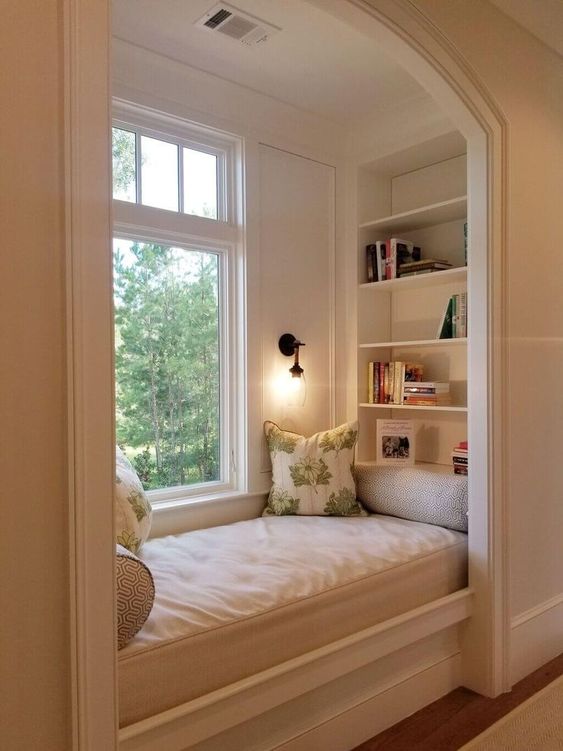
A hidden spot at home is the first of 19 Cozy Spot at Home Ideas for Relaxing. The window bench with the soft mattress makes this place a comfortable relaxing area. There is also a built-in shelf that can be used as a bookshelf. Windows that are left alone allow sunlight to enter freely so you can read comfortably.
Throw pillows with a touch of green give a calm and fresh impression. The yellow-lit sconces add serenity to the window bench. It also provides warm nuances that increase the comfort of this spot.
2. Warm Balcony
Cc: Pinterest
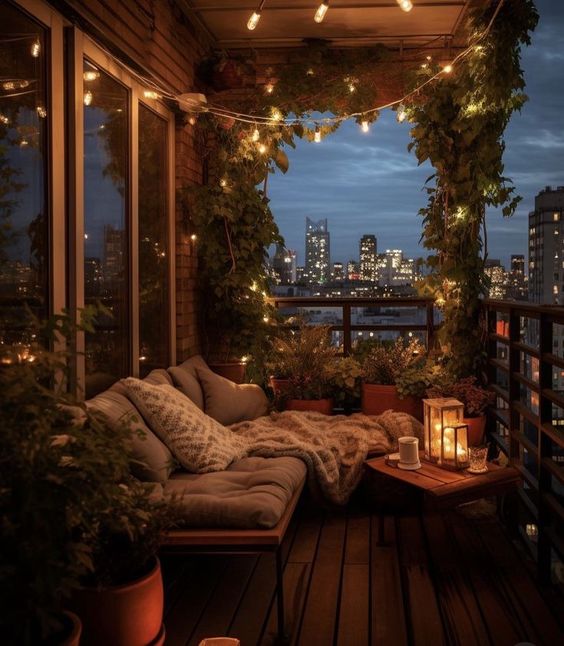
Even though it is small, you can use the balcony as a comfortable place to relax. Enjoying the evening breeze and beautiful views from the balcony will be very enjoyable, making you feel more relaxed.
The balcony is consistent with a fresh feel, it looks like a small garden. You can see the vines on the balcony pillars and also the small plants on the sides. The wooden bench with a gray seat cushion maintains a neutral color tone. Make the bench feel warm with throw pillows and a blanket.
The light on the balcony only relies on candles in lanterns and also string lights. Yellow lighting creates a very calm and warm atmosphere.
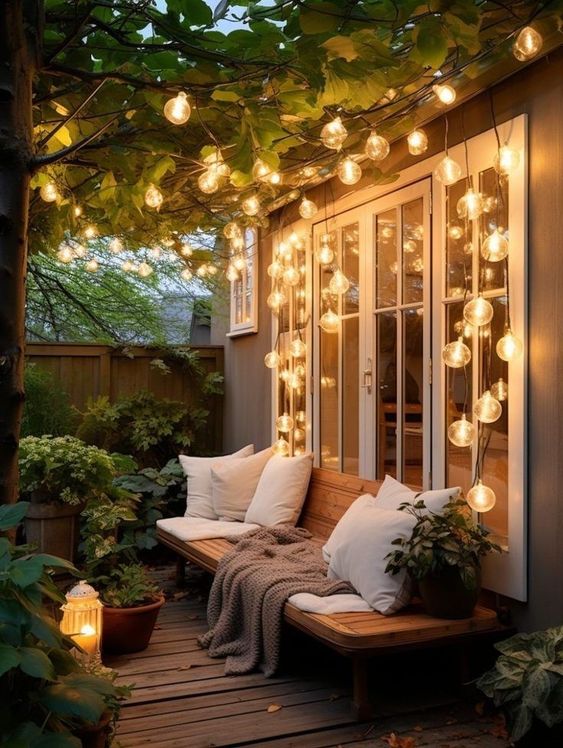
3. Cozy Small Backyard
Cc: Pinterest
This idea uses a small garden behind the house as a place to relieve stress and fatigue. The green plants that surround this small backyard create a fresh atmosphere. The natural impression is well maintained by relying on wood material.
The white throw pillows are decorations that add to the aesthetic value of the small garden. But, it also becomes a decoration that increases the comfort of the bench. There is also a blanket to keep your body temperature warm. For lighting, the small garden only relies on outdoor lighting and the candles in the lanterns.
4. Small Working Space
Cc: Pinterest
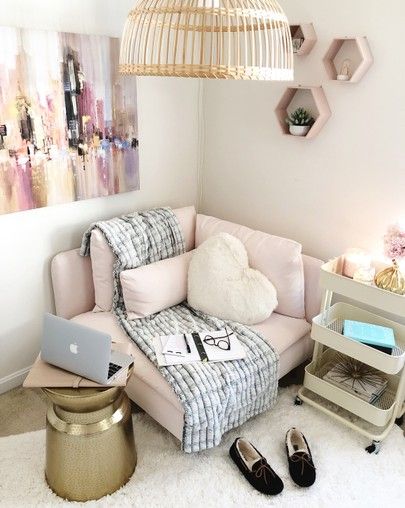
The next of 19 Cozy Spot at Home Ideas for Relaxing is a small working space. The corner of the room is not left empty, but instead turned into a cute working space. A cozy chair fills the corner of the room well. The soft pink color brings a girly impression there. Another pink color is applied to the walls which makes this color stand out.
The small round coffee table is so flexible. You can move the table as you wish. If you don’t use the table anymore, you can put it back to the side of the room. It’s a smart way to save space so that the corner of the room feels wider.
3-tier trolley as storage and decorative area. The pink flowers add pink color while giving a fresh feel to this corner of the room.
5. Make It Simple with Beanbag
Cc: Pinterest
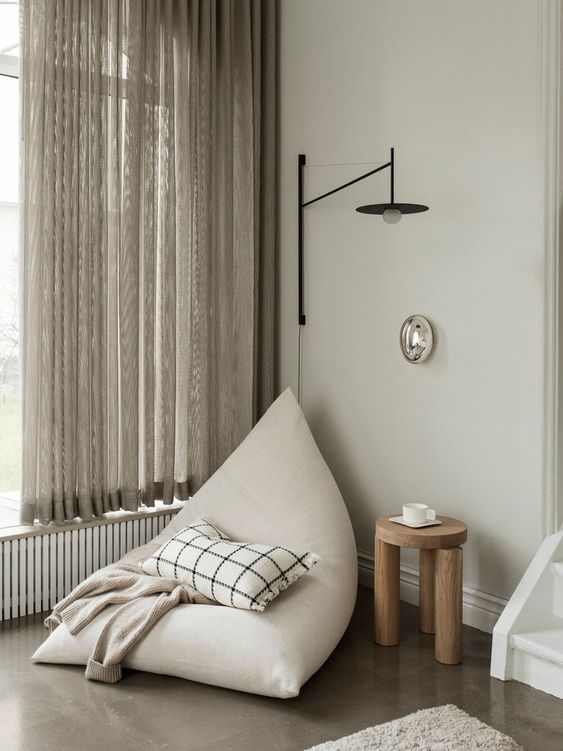
Having a cozy spot at home doesn’t need to be a hassle. You can make it simple like this idea. This is the next of 19 Cozy Spot at Home Ideas for Relaxing where you only rely on the bean bag.
The concept of the room is neutral which is more calm. So, to maintain this, a light gray bean bag is the right choice. Keep it simple with black striped throw pillows.
There is a round wooden coffee table which adds a soft effect to the corner of the room. And, right above the beanbag, there is a wall lamp. Even though it has a simple design, the black color makes it stand out successfully there.
6. Under The Stairs
Cc: Pinterest
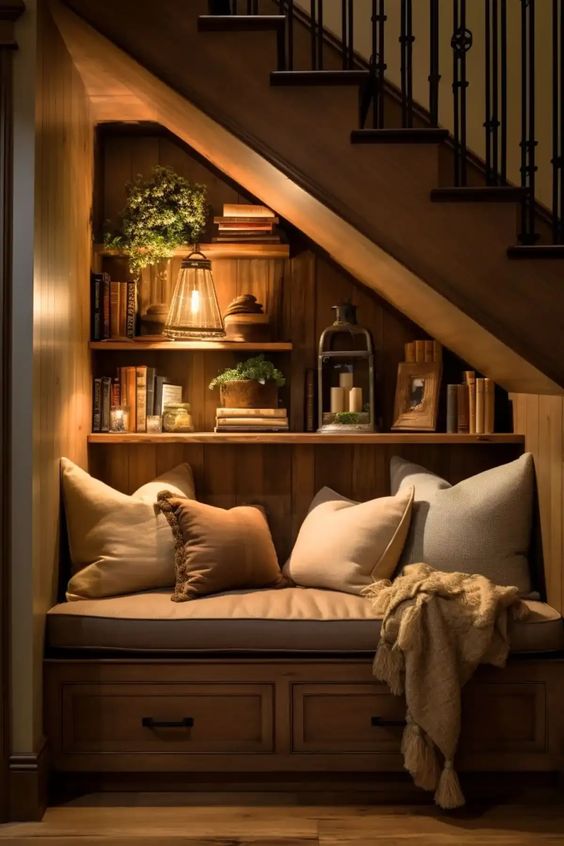
The area under the stairs which is usually used as a small warehouse has been transformed into the most comfortable spot in the house. The simple impression eliminates the cramped impression there. The floating wall shelves are not only used as a place to store books. There are several decorations such as small plants, candles, pictures, and small lamps that decorate the area under the stairs. Yellow lighting is most appropriate. It can increase warmth which adds comfort to the reading nook under the stairs.
7. Get A Freshness from Flowers
Cc: Pinterest
The bed is deliberately moved towards the window so you can relax while enjoying the view outside the house. There is a long floating shelf which is a smart storage area. You can use it to put some of your favorite books so that the bed is not only a place for sleeping but also for reading (reading nook).
The simple decoration creates a calm atmosphere. Several flowers of the same color and type maintain a simple concept in the bedroom. The color of the flower itself is a decoration that beautifies and gives freshness to the bedroom.
8. White Reading Nook
Cc: Pinterest
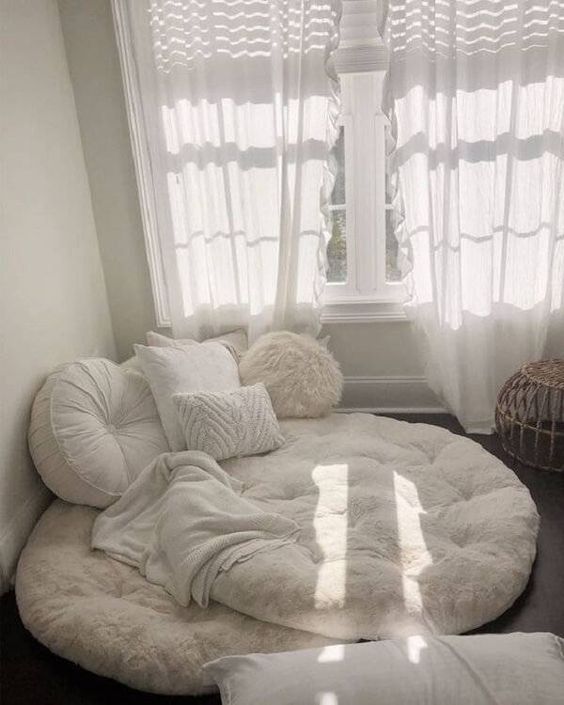
The next of 19 Cozy Spot at Home Ideas for Relaxing is a white reading nook. Even though it only relies on one color, the reading nook does not seem stiff or boring. The play on texture brings it to a more beautiful and different appearance. Sheer curtains, seat cushions, throw pillows, and the blanket not only beautify the corner of the room but also bring a warm feel.
Throw pillows are the decoration that is relied on in this idea. Different shapes and fabric materials make the corners of the room look attractive.
9. Full of Warmth Living Room
Cc: Pinterest
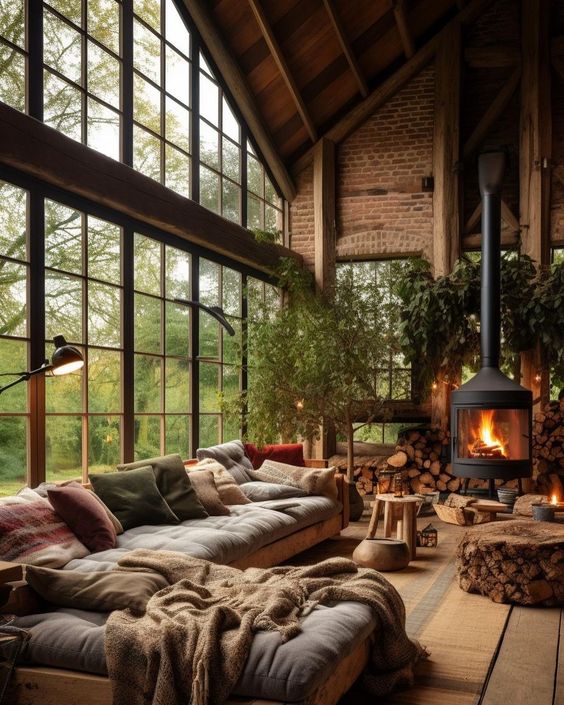
The rustic indsutrial living room plays on natural materials such as wood and bricks. Large windows are freely exposed showing fresh green trees and lanyards. Freshness is also brought into the interior by presenting several large plants as decoration.
The atmosphere created in this living room is warm. There is a floating fireplace which not only increases the room temperature but also gives more appeal to the living room. For the sofa area itself, playing on a soft seat cushion, several throw pillows, and the blanket is enough to add a warm impression. Apart from that, playing with neutral colors also has an influence.
10. Place to Release Your Stress
Cc: Pinterest
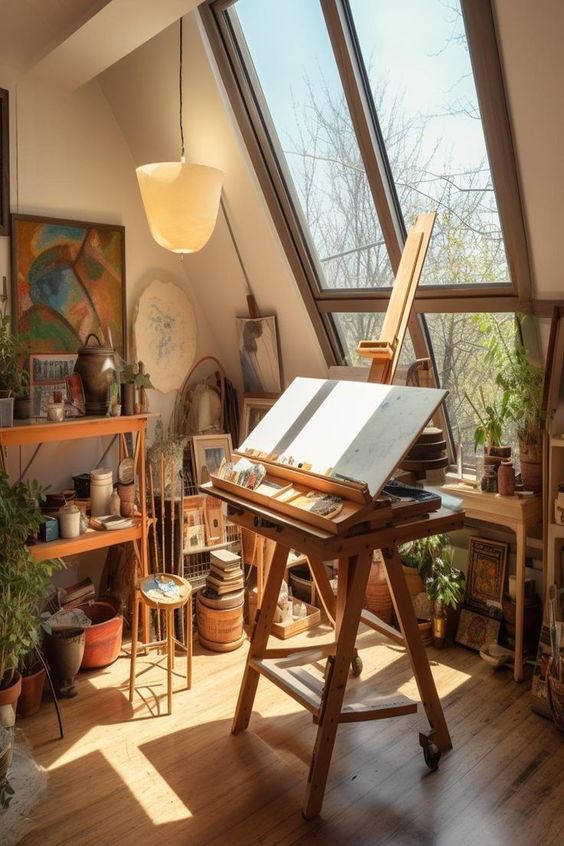
Besides perhaps being your hobby, painting is also a way to relieve stress. Canvas is a medium for expressing your emotions and thoughts. However, doing so requires full concentration. The room should feel calm. Therefore, using the attic as a room for painting is the right idea. It’s the next of 19 Cozy Spot at Home Ideas for Relaxing that you can choose.
Place the easel right in front of the window. Looking at the view outside the house can give you inspiration or unexpected ideas. Decorate the sides of the room with a set of painting tools and also some plants that can freshen up the attic.
11. Calm Home Office
Cc: Pinterest
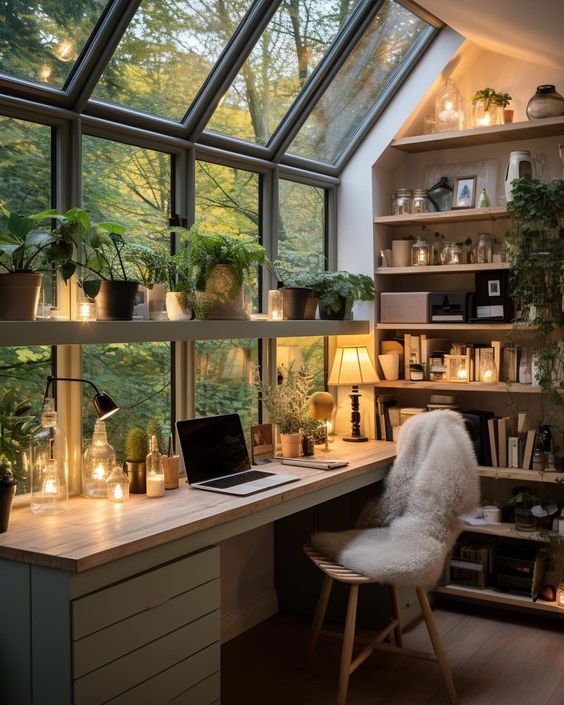
The next of 19 Cozy Spot at Home Ideas for Relaxing is a home office. This is one idea to increase the room by making a home extension. The size is not too big, suitable as an area for working. This room makes good use of the wall area to save space. Built-in shelves are a smart way to create a spacious effect in a small home office. There is also a floating wall shelf that is installed in the window area as a decorative area.
Lighting only relies on candles and table lamps. Candles are deliberately placed scattered so that the light can spread well. Yellow lighting really helps natural nuances in creating calm and warmth in the home office.
12. Soothing Mini-Library
Cc: Pinterest
A small, unused room in the house can be used as a mini-library that is full of tranquility. A full built-in shelf on one wall saves more space. There is no longer a need for shelves or other floating wall shelves so it will be easier to apply a minimalist or simple concept. That way, peace of mind in the mini-library is maximized.
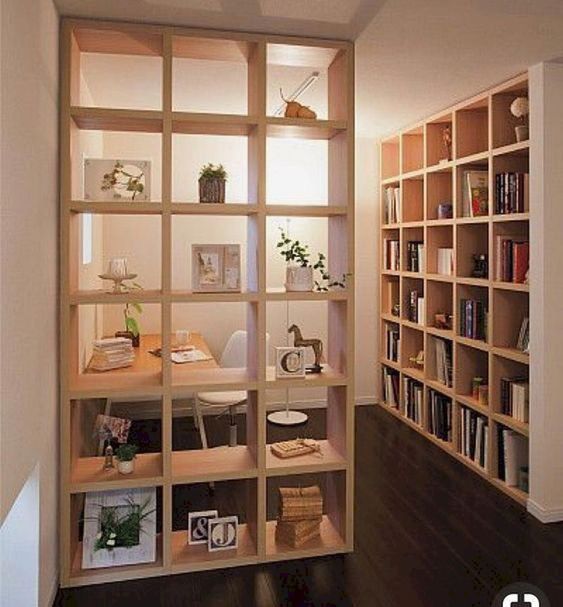
Playing on partitions is the right idea for a small room. It provides broad effects. Besides that, the shelf partition becomes a decorative area. This is the place to show off some of your awards, displays, and collections.
13. Hammock in The Garden
Cc: Pinterest
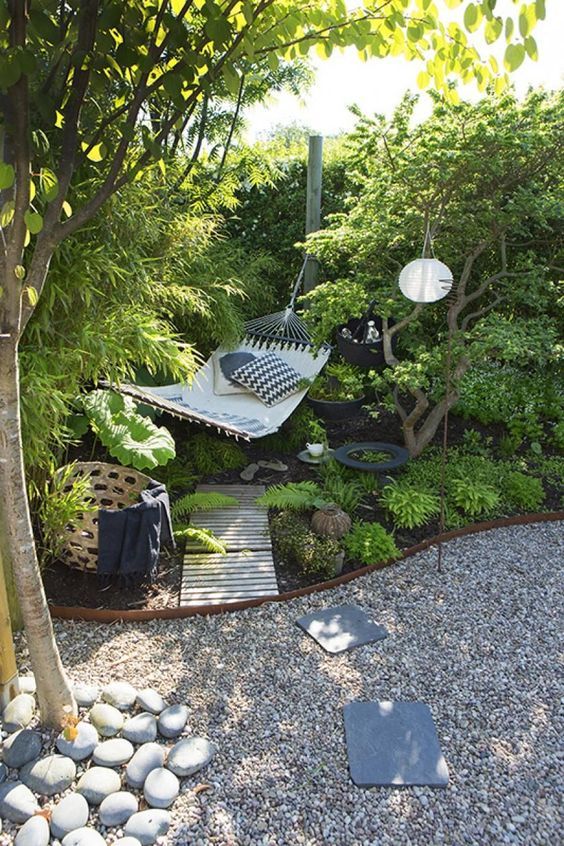
The small empty space in the middle of the garden is really not wasted. This space is used as a place to relax to relieve stress and fatigue. Just relying on a hammock, the garden becomes a comfortable place to rest. There are throw pillows and a blanket which add to the aesthetic value and comfort of the hammock.
The plants there are actually quite beautifying the appearance. But, if you want to make it more interesting, hanging white lanterns is an interesting idea that you can try. This provides a dramatic effect at night.
14. Home Theater at Rooftop
Cc: Pinterest
Don’t just focus on using the rooftop as a fresh area in your house. Make your rooftop more interesting by turning it into a home theater. The decking can be a place to relax with three comfortable benches. Don’t forget to throw pillows for added comfort. It also becomes a decoration so be careful in choosing colors and patterns for throw pillows.
It would be good if there was a fireplace to keep the air in the rooftop area warm. That way, you can enjoy the home theater on the rooftop at night after you’ve finished your activities.
15. Home Extension
Cc: Pinterest
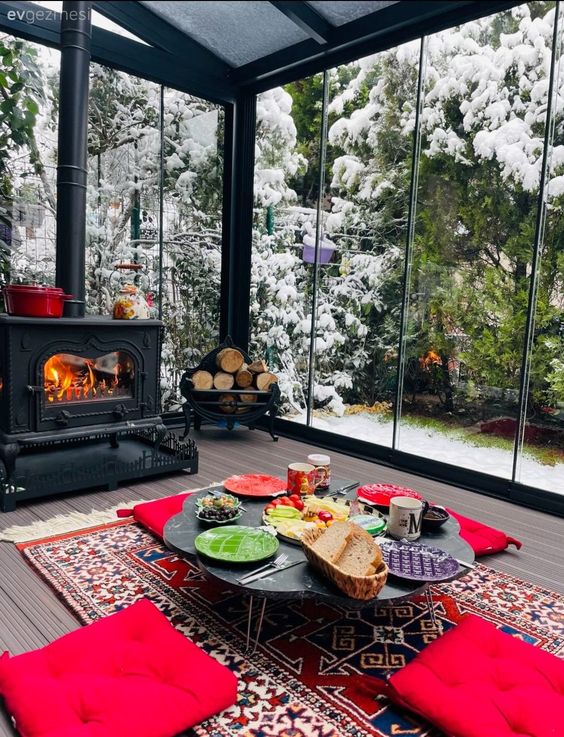
If there is no more room at home, a home extension is the perfect solution. This is the next of 19 Cozy Spot at Home Ideas for Relaxing that you can choose and apply. The short-leg table with seat cushions creates a Japanese-style impression. But, for a more contemporary impression, you can replace the tatami mat with a Turkey carpet.
The red color really lights up in the middle of the home extension. The dining area immediately becomes the center of attention. And, the motif from the Turkey carpet is a decoration that makes it look beautiful. So, decorations are no longer needed so it will be easier to make it simpler. You only need to add a fireplace to the side of the room for heating.
16. Warm Reading Nook
Cc: Pinterest
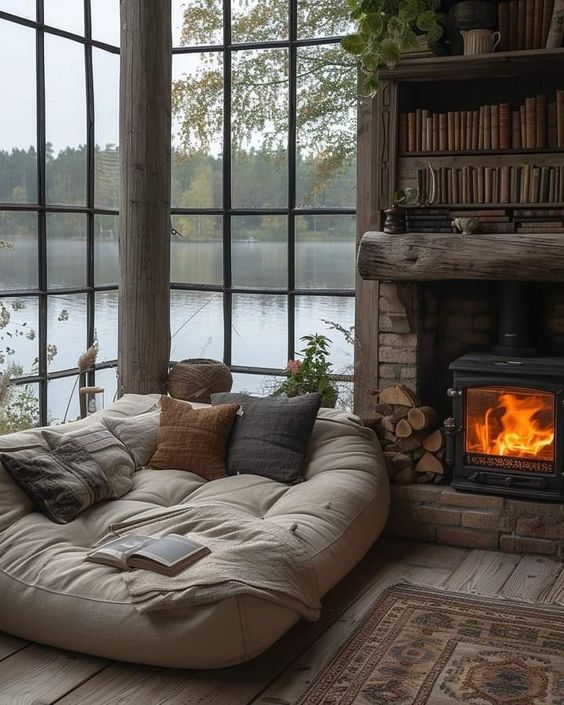
This idea uses the fireplace area to be the most comfortable place in the house to relax. The corner of the room is the area of choice. The natural impression is very consistent here. Besides prioritizing natural materials such as wood and bricks, this idea also chooses natural colors such as grey, brown, and beige. With this, the appearance seems shadier even though the corner of the room gets maximum light from the large window that is simply exposed.
This comfortable corner of the room is also a reading nook. There is a bookshelf in the area above the fireplace so it will be easier for you to get the books you want to read in your relaxing time.
17. Relax in The Swimming Pool Area
Cc: Pinterest
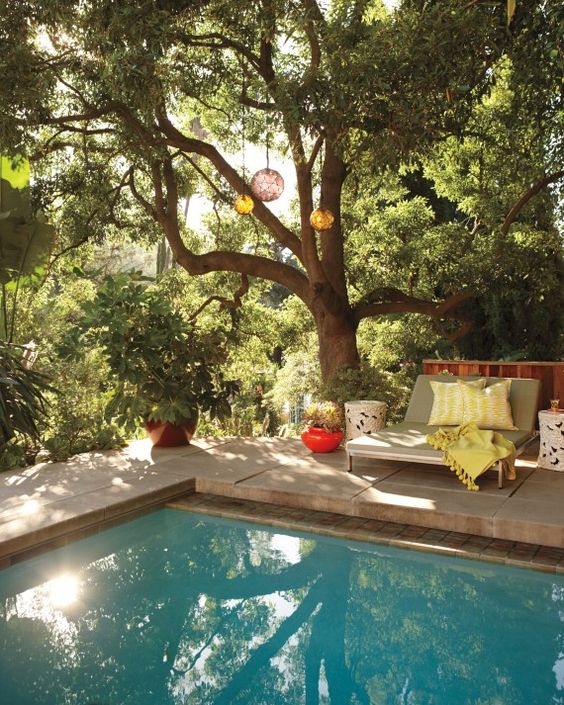
A shady swimming pool is a great place to relax. Right under the shade of the tree, outdoor lounge chairs are placed. The shady leaves will block sunlight so relaxing in the lounge will be more comfortable. There are two round coffee tables as decorations that you can use to place your snacks or drinks. Its curved lines give a soft impression to the outdoor area. The soft white color of the table blends with nature, creating a harmonious appearance.
18. Make Use of a Fireplace
Cc: Pinterest
This idea uses the fireplace area as the most comfortable place in the house when winter arrives. Cold air entering through windows and doors is one of the factors that makes a house uncomfortable. Therefore, keep your body temperature warm by staying near the fireplace. Use the carpet as a place to sit. Pile up the book and make it as an impromptu coffee table. Here, you can put a glass of your coffee. And done! Enjoy a relaxing time in winter by reading your favorite book.
19. Summer Bedroom Design
Cc: Pinterest
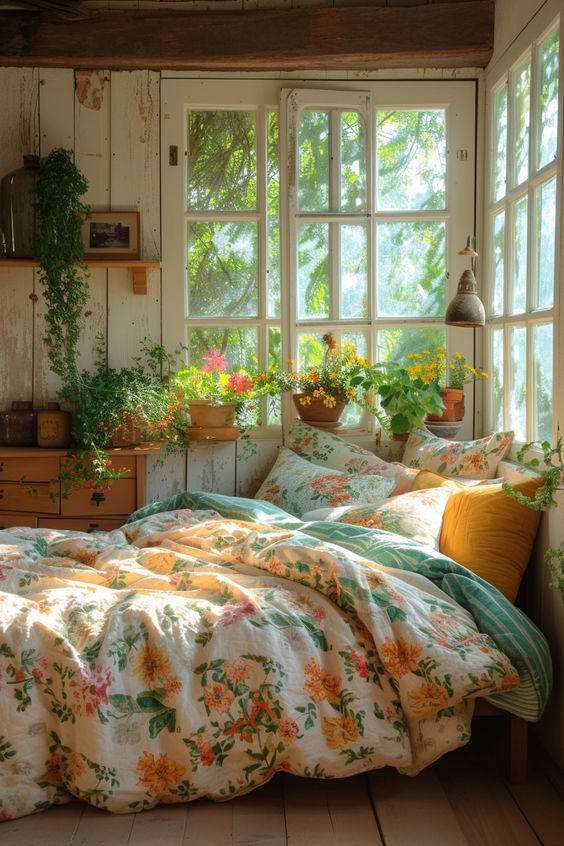
The last of 19 Cozy Spot at Home Ideas for Relaxing is a summer bedroom design. The old wooden walls and windows provide an attractive worn effect. A slight vintage impression is present in the room. The plants on the sides of the windows are not only decorative but also provide freshness. Flowers bring new colors that liven up the interior.
However, bedding is also the key to creating summer vibes in this bedroom. The flower-pattered bedding with a white base color makes the look of the room harmonious. Even though there are lots of patterns and flowers decorating the bedroom, the small quantity of colors makes it balance.
Final Words
It is important to have a reliable place to relax and unwind. Apart from comfort, beauty is also an important point that you really have to pay attention to. This is because a beautiful place will bring comfort. The points above are 19 Cozy Spots at Home Ideas for Relaxing. Create a comfortable place, whether it’s simple or a little difficult. But, having a cozy spot at home doesn’t always mean having to provide a special room. You can have a cozy spot anywhere, such as a corner of a room or a fireplace area. So, good luck!
Ensuring your home is adequately warmed during the bitterly cold winter months is essential, not only for comfort but also for maintaining health and well-being. Consequently, the importance of installing the most suitable heating system for your dwelling cannot be overstated. In Australia, two main heating systems feature prominently in residential properties: gas and electric heating. This comprehensive article aims to delve into heating system comparisons, contrasting these predominant heating types to guide homeowners towards informed decisions based on their unique needs and contexts.
Understanding Gas Heating
At first glance, the mechanism behind gas heating might appear complex. This form of heating operates via a chemical reaction between oxygen and flammable gas – typically natural gas or propane – generating heat. The warmth produced is often circulated throughout the home via a central furnace, creating a cosy and inviting environment.
Diverse types of gas heating systems are available in Australia, catering to various needs and requirements. These include convection heaters, which heat the air directly; flued heaters, which include a flue or chimney for emission dispersion; wall heaters that are space-efficient; and space heaters that are portable and great for smaller areas.
Installing a gas heating system can be intricate and typically necessitates professional input. Specifically, the installation process involves establishing a connection of the gas heater to a gas line, which demands precise implementation. Several brands have made their mark in the gas heating sector, such as Rinnai, Vulcan, and Dyson, each of which offers unique options to cater to consumers’ varying preferences.
The Benefits of Gas Heating
Gas heating provides substantial benefits. Firstly, it is cost-effective. In comparison to electric systems, gas heating has significantly lower operational costs due to the lower price of gas relative to electricity. The power of gas systems is noteworthy too, being able to warm large expanses quickly and efficiently. This makes gas heaters especially suitable for larger homes that require substantial heating.
During blackouts, gas heating boasts superior reliability, continuing to provide warmth even when electrical power is unavailable. From an environmental perspective, gas heating systems also score favourably, having lower carbon emissions when compared to electric heating, making them a more sustainable choice.
The Drawbacks of Gas Heating
Like anything, gas heating systems also have their cons. Foremost, these systems often entail higher upfront costs, particularly when considering potentially high installation expenses. Once installed, gas heating systems carry safety risks, including potential carbon monoxide leakage if not installed and maintained properly.
Heat loss in vented systems can be significant, leading to reduced heating efficiency and increased heating costs. Furthermore, gas heating systems require regular professional servicing and check-ups to remain efficiently operational and safeguard against possible safety risks.
Understanding Electric Heating
Transitioning to electric heating, the system basis is fairly straightforward. Here, electricity is used to heat conductive material – typically metal or ceramic – and this heat is then dispensed across your home. Electric heating systems found in Australia include storage heaters, which store heat during off-peak hours; panel heaters, which are slim and wall-mountable; radiant heaters, renowned for their immediate warmth and cost-efficiency; and fan heaters, loved for their portability and versatility.
Electric heating installation is generally simpler compared to gas heating systems, usually requiring only an accessible power outlet. Brands such as De’Longhi, Goldair, and Dyson have made significant strides in the electric heating market, each offering a diverse range of units to cater to the broad spectrum of homeowners’ heating requirements.
The Benefits of Electric Heating
Electric heating also presents a multitude of advantages. With visibly lower upfront costs compared to gas systems, installing electric heaters is initially less straining on the pocket. Additionally, electric heaters are widely considered safer as they don’t involve burning fuel or the potential risk of gas leakage.
Further, these systems can be powered by renewable energy sources like solar or wind power, representing an eco-conscious heating solution. Plus, because electric heaters don’t require venting, they maintain all the heat generated, thereby enhancing efficiency and conserving energy.
The Drawbacks of Electric Heating
Yet, electric heating is not without its setbacks. Compared to gas systems, operational costs can be considerably more onerous, especially in areas exposed to severe cold weather. Electric heaters also present challenges during power outages, leaving homes without a heat source during such times. In addition, if not powered by renewable sources, electric heaters can contribute a larger carbon footprint compared to gas heaters, raising questions about their impact on the environment.
Conclusion
Upon comprehensive consideration of both gas and electric heating, the choice ultimately emerges as a matter of personal circumstance, budget, and preference. Both systems offer unique advantages – cost-effectiveness and powerful heating capacity with gas heating, or safety, environmental friendliness, and complete heat retention with electric heating. However, potential setbacks also occur like higher operating expenses for electric heating, or safety concerns and maintenance necessities for gas heating.
Deciding on a heating system for your home is a significant decision that warrants meticulous scrutiny. The beneficial heating system comparisons outlined in this article will empower you as a consumer, guiding you in considering your specific demands, lifestyle, and budget. We keenly invite our readers to share their thoughts and experiences below. Let’s enrich the discussion and further inform our community!
As we step into 2024, the quest for the perfect home ambiance continues, with flooring taking center stage in the design world. This year, the spotlight is on innovative materials, sustainability, and aesthetics that cater to every homeowner’s style and functional needs. With an array of options available, selecting the right flooring can dramatically transform your space, making it more inviting, durable, and stylish. Let’s dive into the top flooring trends of 2024, guiding you to elevate your home with choices that blend beauty with practicality.
The Rise of Eco-Friendly Flooring Solutions
Environmental considerations are shaping the future of home design, with eco-friendly flooring solutions at the forefront of this trend. Bamboo, cork, and reclaimed wood stand out for their minimal environmental impact and sustainable harvesting practices. Bamboo’s quick regrowth makes it an excellent renewable resource, while cork offers a soft, insulating floor option with natural hypoallergenic properties. Reclaimed wood, with its unique history and appearance, provides an eco-friendly alternative by repurposing existing wood, thus reducing the need for new lumber. These options are not only environmentally responsible but also provide homeowners with durable and attractive flooring solutions, aligning sustainability with style in modern home design.
Embracing the Luxury of Composite and Engineered Woods
Composite and engineered wood flooring have become favorites among homeowners who yearn for the classic look of hardwood without the high cost and maintenance. These flooring types are crafted in layers, which include a top veneer of genuine wood affixed to a base of plywood or high-density fiberboard, giving them robust resistance against moisture and temperature shifts. Ideal for parts of the home that are more susceptible to environmental changes, they offer a practical yet elegant solution. With a plethora of finishes and types of wood available, engineered and composite woods provide the flexibility to tailor your floors to fit any design aesthetic. Their construction not only ensures durability but also facilitates easier installation, making them a smart choice for those seeking both style and substance in their flooring.
The Beauty and Versatility of Luxury Vinyl Tile (LVT)
Luxury Vinyl Tile (LVT) has firmly established itself as a leader in the flooring industry due to its exceptional blend of functionality and design versatility. Available in an extensive selection of patterns and styles, LVT can mimic the look of natural stone or hardwood floors with stunning accuracy, while offering benefits that those materials cannot. Its resistance to moisture makes it an ideal choice for areas of the home that are prone to spills or humidity, such as kitchens and bathrooms. Additionally, LVT stands out for its ease of care; regular sweeping and occasional mopping is all it takes to keep these floors looking new. The simplicity of installation is another factor contributing to its popularity, with options for interlocking and adhesive-backed tiles that homeowners can sometimes install themselves. This combination of aesthetic appeal, low maintenance, and durability positions Luxury Vinyl Tile as a smart flooring solution for both contemporary and traditional spaces, accommodating a wide range of homeowner preferences and lifestyle demands.
Traditional Hardwood Floors: A Timeless Trend
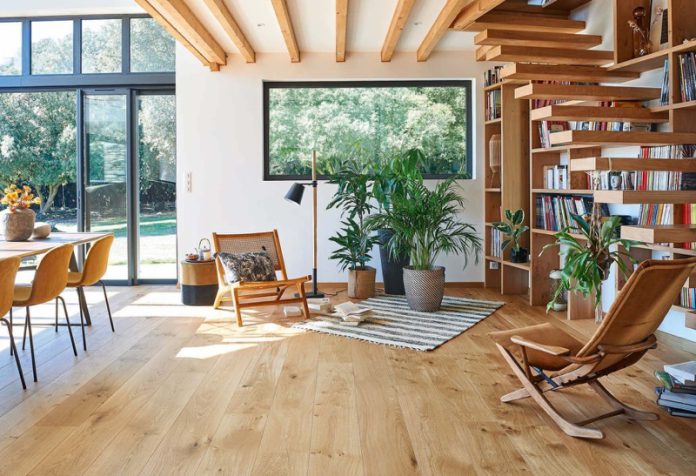
In the ever-evolving landscape of home design, traditional hardwood floors hold their ground with grace, offering a blend of natural allure and enduring strength that continues to capture the hearts of homeowners. The charm of oak, maple, and walnut flooring lies in their diverse spectrum of hues, textures, and finishes, enabling a seamless integration into any decor scheme. These wood species not only enhance the aesthetic appeal of a space but also promise longevity that can withstand the test of time and trends. The unique advantage of hardwood floors is their ability to be refinished multiple times, providing flexibility for homeowners to update their spaces without the need for complete floor replacement. This attribute makes traditional hardwood floors an investment in both the beauty and functionality of a home, maintaining their position as a prestigious and sought-after flooring choice in the modern era.
The Return of Artisan and Handcrafted Tile Flooring
Artisan and handcrafted tiles are experiencing a resurgence, breathing life and personality into modern homes. These tiles, encompassing a range from the colorful and intricate patterns of encaustic cement to the earthy tones of handmade ceramic and terracotta, introduce an element of bespoke charm to any space. This revival highlights a collective shift towards valuing craftsmanship and the stories behind our decor. Each tile, with its unique imperfections and textures, invites a sense of warmth and originality, setting the stage for a home that stands out. Particularly popular in kitchens, bathrooms, and entryways, these artisan tiles are not just about aesthetics; they are also celebrated for their quality and the tactile experience they offer underfoot. By incorporating these artisan and handcrafted tiles into your home, you embrace a trend that marries the beauty of traditional craftsmanship with the contemporary desire for spaces that reflect personal style and authenticity.
Innovative Flooring Technologies and Smart Floors
Flooring has transcended its traditional role with the advent of innovative technologies, propelling it into the realm of smart home features. These cutting-edge floors offer functionalities previously unimaginable, such as the capability to harness electrical energy from pedestrian movement. This feature not only showcases the potential for flooring to contribute to a home’s energy solutions but also marks a significant step toward sustainable living environments. Additionally, developments in flooring materials have led to the creation of surfaces that actively contribute to healthier indoor air quality, a concern that is increasingly paramount among homeowners. Heating technologies are now seamlessly integrated within flooring systems, providing an evenly distributed warmth that enhances the comfort of living spaces. These technological advancements are not mere conveniences; they represent a leap towards integrating home interiors with smart technology, optimizing energy use, and elevating the overall living experience. By embracing these smart flooring solutions, homeowners are positioning themselves at the forefront of home design innovation, ensuring their spaces are not only beautiful but intelligently functional.
Concrete Flooring: A Modern, Industrial Choice
Gone are the days when concrete flooring was reserved solely for basements and garages. In 2024, this versatile material has been embraced by interior designers and homeowners alike for its chic, industrial appeal. Customization is a key feature of concrete flooring, offering an array of finishing options including staining, polishing, and texturing to match any decor style. Beyond its aesthetic flexibility, concrete is lauded for its outstanding durability and low maintenance needs, capable of withstanding the rigors of daily life without compromising on style. Its compatibility with radiant floor heating systems further enhances its desirability, providing an efficient way to heat your home evenly and comfortably. As an option that marries practicality with the sleek, minimalist trends of modern design, concrete flooring is a standout choice for those looking to inject a contemporary edge into their living spaces.
The Importance of Choosing the Right Flooring for Your Space
Making the optimal flooring choice is more than just a matter of taste; it’s a decision that impacts the daily functionality and long-term satisfaction with your living space. Factors such as the daily activities within each room, the presence of pets or children, and the amount of foot traffic can significantly influence the best flooring option for your needs. A budget-friendly choice for one household might not stand up to the demands of another. Likewise, what fits in a quiet bedroom may not be suitable for a bustling kitchen or entryway. Engaging with a design professional can help navigate these considerations, ensuring that your selection not only complements your home’s aesthetic but also stands up to its unique challenges. By thoroughly assessing your lifestyle and the specific requirements of each space, you can choose a flooring solution that not only looks appealing but also serves your home’s needs efficiently and effectively. If you are looking for Carmel hardwood flooring, check out ProSand.
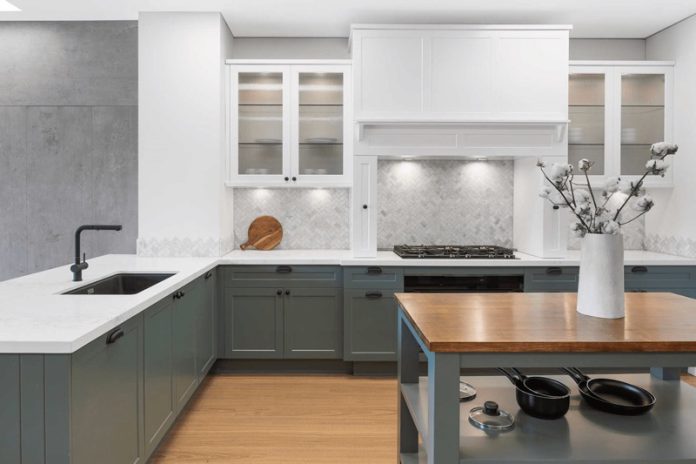
Are you looking to create a warm, inviting kitchen for your home? Perhaps, you should consider the Hampton style kitchen designs. Inspired by the luxurious seaside retreats of The Hamptons on Long Island, New York, they might be the perfect choice for you. It is a coastal-inspired style that showcases crisp white cabinetry, natural textures, and traditional detailing. These features create a light and airy ambience which has resulted in its immense popularity among homeowners.
The Essence of Hampton-Style Kitchens
The Hampton style’s coastal-inspired look can be achieved through carefully selected elements. These features blend seamlessly to form a relaxing yet sophisticated environment. Below are the key elements that define Hampton-style layout:
Colour Palette: These kitchens typically feature a calming palette of white, with hints of soft blues and greys. They convey a sense of tranquillity throughout the room. Hues of navy or sage green can be added for depth and sophistication while maintaining the airy feel.
Cabinetry: Shaker-style cabinets are a signature of Hampton kitchen designs. They are known for their simple looks which include clean, minimalistic lines. Light or whitewashed wood tones are used for the cabinets. Open and closed shelving can be used, according to preference. Instead of a shiny finish, matte is preferred, giving the cabinets an authentic feel.
Benchtops: Natural materials play a significant role in the choice of benchtops. Marble or quartz are popular for their luxurious feel and raw beauty. Alternatively, butcher blocks or wood countertops can be used to add warmth and character to the space.
Flooring: Flooring sets the tone for a Hampton-style kitchen. Many opt for wide-plank timber floors in oak or maple, for a natural aesthetic. Whitewashed finishes are also very popular. Similarly, you can go for patterned tile floors which add to the rustic charm. Remember, it’s essential to choose a flooring option that harmonises with the cabinetry and bench tops for a cohesive look.
Layout and Design Elements
The Hampton style is known for its spacious and welcoming layouts. This setup makes it easy to entertain guests and move around freely. Here are some styling elements of the Hampton-style kitchen designs:
Island Kitchens: A central feature of these setups is the island. It is a big countertop that becomes a gathering spot for family and friends. The extra space can be used for preparing food and casual dining. Adding some pendant lights above creates a welcoming atmosphere for relaxed gatherings.
L-shaped Layouts: The L-shaped kitchen is a smart design. It allows easy movement between the sink, stove and fridge. The layout makes cooking and meal preparation a breeze. The long countertop provides plenty of workspace while keeping things neat.
U-shaped Designs: In larger homes, a U-shaped layout creates a spacious kitchen with cabinets and appliances on three sides. This design enhances functionality while letting multiple people cook together. Extra space, like a breakfast nook or built-in bench seating, adds to the style.
Kitchen Galleries: The galley layout, also called a corridor or parallel layout, has cabinets and benchtops along two parallel walls. Even though it might seem narrow, it’s very practical for smaller homes. Whitewashed shelving and brass hardware add to the Hampton’s vibe. It’s an excellent choice if you want an uncluttered cooking space.
Hampton-style Kitchen Trends in Melbourne
As with any kitchen design, the Hampton style has also evolved with the times. They mix the modern touch with the classic coastal style. Some current trends include:
Integrated Appliances: In the Hampton style, integrated appliances blend into the cabinetry and create a streamlined look. Refrigerators, ovens, and dishwashers almost disappear into the fronts of the cabinets, maintaining the kitchen’s sleek simplicity.
Vibrant Backsplashes: While white subway tiles are a common choice, why not add splashes of vibrant blues, greens, or bold patterns? They create a focal point without overwhelming the soothing colour scheme.
Open Wood Shelving: Driftwood-inspired open shelving adds natural texture to the room and provides a space to display tableware collections. The open shelving makes the kitchen appear much bigger than it is.
Warm Metallic Accents: Brass, gold and antique nickel hardware or fixtures add a touch of nautical flair to the overall look. These metallic accents feel coastal yet elegant, complementing the overall aesthetic.
Natural Textures: Jute rugs, rattan pendants, and ceramic stoneware introduce an organic contrast to all the sleek cabinetry and smooth stone surfaces. These natural textures enhance the style of any kitchen design, the Hamptons, in particular.
Muted Colour Schemes: Shades like foggy blue-grey and sage green are in trend now. They also maintain the relaxed essence of the space. Visible wood grain and hand-rubbed finishes add interest to the muted colour palette.
Statement Sinks: Oversized farmhouse sinks in eye-catching colours make subtle yet stylish statements. They provide a unique focal point, replacing standard stainless models with something more bold.
Coastal Artwork: Adding large statement artwork instantly brings an artsy vibe to the space. Beach driftwood frames complement this seaside look beautifully.
Subway Tile Shifting: While white subway tiles are a classic choice, getting creative with their layout can refresh the look. They can be laid vertically, in a herringbone pattern, or framed by contrasting colours. Experimenting with subway tiles adds visual interest and modernises the space.
Hire a Professional Designer for Your Kitchen
While the Hampton style might seem simple, achieving the perfect balance of elements requires expertise. Hiring a professional designer, like KIND Kitchens, ensures that your kitchen suits your specific needs and lifestyle. Their team of experts will guide you through every step, from conceptualisation to installation. Moreover, they also offer quality manufacturing, hassle-free delivery and customised kitchen designs across Melbourne, Australia. So if you’re into Hampton kitchen designs, they come highly recommended. You should contact them today and get a personalised cooking space for your home.
Foxes, with their playful demeanor and striking appearance, may seem like charming visitors to your garden at first glance. However, for many gardeners who want to protect their garden from unwanted animals, these cunning creatures can quickly become a nuisance, wreaking havoc on carefully tended plants and leaving behind a trail of damage.
As scavengers by nature, foxes are inherently interested and drawn to every possible food source. They hunt in both urban and rural settings, so if your garden is attractive to them, they’ll take advantage of the chance to snag some delicious food!
Foxes may also be drawn to your garden if it offers them refuge or a secure area to rest in addition to food.
But fear not! With the right strategies and a bit of know-how, you can effectively keep foxes at bay while still enjoying the beauty of your garden sanctuary.
Understanding Fox Behavior:
Before diving into methods to deter foxes, it’s crucial to understand their behavior. Foxes are intelligent and adaptable animals known for their curious nature and scavenging habits. They’re attracted to gardens for various reasons, including the availability of food, shelter, and potential den sites. Additionally, they may be drawn to gardens by the presence of small animals like rodents or insects.
Identifying Signs of Fox Activity:
To effectively address the fox problem in your garden, it’s essential to recognize the signs of their presence. Common indicators include:
Foul Odors: Foxes mark their territory with strong-smelling urine and feces, which can leave an unpleasant odor lingering in your garden.
Digging: Foxes are skilled diggers and may excavate holes in search of food or create dens for shelter.
Damage to Plants: Foxes may trample or nibble on plants, particularly fruits and vegetables, causing significant damage to your garden.
Tracks: Keep an eye out for paw prints in soft soil or mud, which can indicate recent fox activity in your garden.
Effective Strategies to Keep Foxes Out
Now that you’re familiar with fox behavior and signs of their presence, let’s explore some practical strategies to deter them from your garden and keep you garden looking its best:
Secure Perimeter Fencing:
Installing sturdy fox fencing around your garden is one of the most effective ways to keep foxes out. When selecting fencing materials, opt for sturdy options such as metal mesh wire. These materials are difficult for foxes to chew through or manipulate, providing a formidable barrier.
Additionally, consider the following tips to enhance the effectiveness of your perimeter fencing:
Height: Aim for a fence height of at least 6 feet to prevent foxes from easily jumping over. Taller fences, reaching up to 8 feet, may be necessary in areas with particularly bold or agile fox populations.
Overhangs and Burrowing Prevention: Foxes are adept climbers and diggers, so it’s essential to reinforce your fencing to thwart their efforts. Extend the fence height with an outward-facing overhang, preferably angled at 45 degrees, to deter climbing attempts. Additionally, use a ground skirt underground, or consider adding a horizontal wire apron extending outward to prevent digging.
Check for Gaps and Weak Points: Regularly inspect your fence for any gaps, holes, or weak points that may provide entry for foxes. Repair any damage promptly, paying particular attention to areas around gates, corners, and where the fence meets the ground.
By fortifying your garden perimeter with a combination of height, strength, and deterrent features, you can create a formidable barrier that effectively keeps foxes at bay, safeguarding your plants and property from potential damage.
Motion-Activated Lights and Sprinklers:
Foxes are nocturnal creatures, so installing motion-activated lights can startle them and discourage them from entering your garden at night. Similarly, motion-activated sprinkler systems can deter foxes with a sudden burst of water, mimicking a predator’s presence.
Remove Attractants:
You might be wondering what foxes eat and how to eliminate potential food sources that may attract foxes to your garden. Secure garbage bins with tight-fitting lids, avoid leaving pet food outside, and clean up fallen fruits and vegetables promptly. Additionally, consider installing mesh or wire covers over compost bins to prevent access.
Create Barriers:
If fencing the entire garden isn’t feasible, consider creating smaller barriers around vulnerable areas, such as raised beds or individual plants. Use chicken wire or hardware cloth to create protective enclosures that foxes cannot penetrate.
Natural Deterrents:
Foxes are known to be sensitive to certain scents and tastes. Utilize natural deterrents such as citrus peels, garlic, chili powder, or vinegar sprayed around the perimeter of your garden to repel foxes. You can also try spreading predator urine or hair (available at garden centers) to create the illusion of a predator presence.
Maintain a Tidy Garden:
Keep your garden tidy and well-maintained to reduce potential hiding spots for foxes. Trim overgrown vegetation, clear away brush piles, and minimize clutter where foxes may seek shelter. A tidy garden is also a wildlife friendly garden, minus the foxes!
Install a Motion-Activated Sound Device:
Foxes are wary of unfamiliar noises. Consider installing a motion-activated sound device that emits loud noises or predator calls when triggered, scaring off any unwanted visitors.
Conclusion
While foxes can pose a challenge to gardeners, implementing these proactive strategies can help mitigate their presence and protect your garden from damage. By understanding fox behavior, identifying signs of their activity, and employing effective deterrents, you can create a fox-free sanctuary where your plants can thrive undisturbed. With patience and persistence, you can enjoy the beauty of your garden without worrying about unwanted furry visitors.
County Fencing stands as a trusted authority in fox fencing solutions, offering expertise and guidance for any fencing project. With years of experience and a deep understanding of the nuances of fencing, the team excels in providing tailored solutions to address the unique challenges posed by foxes. Whether you’re looking to protect your property, livestock, or garden from fox intrusion, their specialists are equipped with the knowledge and resources to recommend the most effective fencing solutions.
In the ever-changing Australian climate, a reliable and durable air conditioning system is essential for maintaining a comfortable indoor environment throughout the year.
A well-functioning AC unit not only provides relief during hot summer days but also contributes to improved indoor air quality, overall well-being, and energy efficiency.
While purchasing and installing an air conditioning system is a significant investment, it’s crucial to understand that regular maintenance is the key to ensuring its longevity and optimal performance.
Durable and self-cleaning air conditioning systems are designed to withstand the rigours of continuous use while delivering consistent cooling and heating, saving you money and energy in the long run.
The Importance of Durability in Air Conditioning Systems
Durability in an air conditioning system is not just about its ability to function for an extended period; it also refers to its capacity to provide consistent performance and efficiency throughout its lifespan. Traditional air conditioning units are susceptible to wear and tear due to regular use, leading to inefficient cooling, breakdowns, and higher energy bills.
A durable air conditioning system, on the other hand, is built to withstand the demands of frequent use and extreme temperatures, ensuring reliable cooling and heating without frequent breakdowns. Just like a well-built car can handle long distances and rough roads with minimal maintenance, a durable air conditioning unit can keep up with the changing seasons, providing consistent comfort without the need for frequent repairs.
The Role of Self-Cleaning Technology in Air Conditioning Units
Self-cleaning technology is a game-changer in the world of air conditioning systems. As the name suggests, this innovative feature allows the unit to automatically clean its internal components without the need for manual intervention. By simply pressing a button, the air conditioning system initiates a self-cleaning process, utilising various mechanisms such as frosting, defrosting, and cold expansion to remove dirt, dust, and other pollutants that may have accumulated inside the unit.
Benefits of Self-Cleaning Air Conditioning Systems:
Improved Indoor Air Quality: Self-cleaning air conditioning units effectively remove dust, mould, and bacteria from the system, reducing the amount of indoor air pollutants and improving the overall air quality within your living or working space.
Efficient Performance: Dust and debris can clog air filters, hindering the air conditioning system’s performance and forcing it to work harder to cool or heat the space, resulting in increased energy consumption and higher electricity bills. Self-cleaning technology clears these blockages, ensuring efficient operation and reducing energy costs.
Extended Lifespan: In traditional air conditioning units, internal components are susceptible to wear and tear due to moisture and dirt accumulation. Self-cleaning technology prevents this by regularly removing these contaminants, reducing the risk of internal damage and extending the overall lifespan of the unit.
Reduced Maintenance Costs: While regular professional maintenance is still recommended, self-cleaning technology can significantly decrease the frequency and necessity of professional cleanings, saving you time and money on maintenance services.
How Self-Cleaning Technology Improves Air Conditioning System Durability?
Self-cleaning technology plays a crucial role in improving the durability of air conditioning systems. By regularly removing moisture, dirt, and other contaminants, self-cleaning units prevent the corrosion and wear and tear of internal components, reducing the likelihood of mechanical problems and ensuring optimal cooling and heating performance for an extended period.
Choosing the Right Self-Cleaning Air Conditioning System
When selecting a self-cleaning air conditioning system, it’s essential to consider the following factors:
Self-Cleaning Features: Not all self-cleaning air conditioners operate in the same way. Some may use UV lights to kill germs, while others rely on drying out moisture to prevent mould growth. Choose a system with self-cleaning features that align with your specific needs and preferences.
Energy Efficiency: Energy-efficient air conditioning units not only reduce your carbon footprint but also result in lower electricity bills. Look for units with high energy efficiency ratings or those that utilise the R32 refrigerant, known for its energy-saving properties.
Unit Capacity: selecting the correct size air conditioning unit for your living or working space is crucial. An undersized unit will struggle to cool or heat the area effectively, while an oversized unit will consume excessive energy and potentially lead to uneven temperature distribution. Consult with a professional or use online calculators to determine the appropriate unit capacity for your needs.
Quality vs. Price: While cost is an important consideration, it’s essential to prioritise quality when investing in a self-cleaning air conditioning system. Higher-quality units with advanced self-cleaning features may have a higher upfront cost but can save you money in the long run through reduced maintenance and energy costs.
Reviews and Recommendations: Before making a purchase, research online reviews and seek recommendations from friends, family, or professionals to gain insights into the performance and reliability of different air conditioning systems.
Final Thoughts
Durability and self-cleaning technology go hand-in-hand in ensuring that your air conditioning system can provide lasting comfort and efficiency without the need for constant repairs or energy waste. A durable unit ensures efficient cooling and heating over an extended period, while self-cleaning technology keeps the air fresh and the system running smoothly.
By investing in a high-quality, durable, and self-cleaning air conditioning system, you are not only prioritising your comfort and well-being but also contributing to long-term cost savings and environmental sustainability. Make the smart choice for a happier, healthier, and more energy-efficient home or workspace.