

Home Blog Page 69

The Ultimate Guide to Building a Fire Pit for Your Backyard

Gathering around a crackling fire pit on a cool evening offers unmatched ambiance and warmth. The glowing flames create such a warm, inviting ambiance for quality time with family and friends. If you’ve been dreaming of having your own backyard fire pit, the good news is that with the right planning and materials, building one is totally doable as a DIY project. This guide will walk through the entire process step-by-step so you can start hosting unforgettable backyard bonfires.

Selecting the Location

The initial step involves choosing the ideal location for your new fire pit. This key decision will determine how enjoyable your fire pit experience will be. First, consider the airflow and smoke direction. Avoid placing the fire pit directly under trees or covered patios, as this can block proper ventilation. The smoke will linger instead of dissipating. Select a spot at least 10-15 feet away from homes, decks, wooden fences, and other structures to mitigate fire risks.

Also, consider proximity to seating areas. The fire pit should be conveniently located close to where you want to place chairs, benches, or logs for seating around the fire. However, allow enough distance so people don’t have to move seats every time new firewood needs to be added. In terms of view, pick a spot where the fire can be enjoyed from seated areas and from inside your home if desired. 

Selecting Suitable Building Materials

A range of materials, each with unique benefits, are suitable for constructing fire pits. Common options include concrete, brick, heavy stone, metal, glass, and fire-rated composite substances. When using concrete, calculating the precise volume needed for the project’s dimensions is crucial. A concrete calculator can ensure you have the right amount of concrete without wastage. Also, consider factors like durability, appearance, cost, and availability when selecting your materials.

Concrete and metals like steel or iron are very durable options that can withstand high heat for years. Bricks, blocks, and stones should be solid and flat, at least 4 inches thick, to contain fires safely. You can also choose composite fiberglass or refractory materials, which require little maintenance but can be more expensive.

Choosing the Design

Fire pits today come in nearly endless shapes, sizes, and designs. A classic and popular design is the straightforward ring or square shape. Pre-fabricated metal, stone, or concrete fire rings contain the fire safely within an attractive barrier. These can be purchased or built as creative DIY projects to your custom specifications.

For a rustic, natural aesthetic, an in-ground fire pit is a great option. This involves digging a hole and lining it with stone or concrete blocks to contain the fire. In-ground pits have a lower profile and blend into the landscape seamlessly. If you want a decorative focal point, fire tables are a great option. A metal tabletop and base surround the firepit area. The tabletop provides a convenient surface for drinks and plates while socializing around the flickering flames.

There are also portable fire pits that add versatility since you can move them around your yard to different spots whenever desired. Models range from simple metal basins on legs to elaborate wheeled pits with chimneys. Determine the optimal size and design based on the number of people you plan to gather around the fire.

Preparing the Site

After finalizing the design and materials, the next step is to prepare the site. Use stakes and string to outline the exact size and shape of your pit. Mark the footprint. Remove any grass or plants inside the outline down to bare soil.

For an in-ground fire pit, excavate the hole 12-18 inches deep using a shovel and pickaxe. Then, add a 2-4 inch deep layer of gravel to line the hole and allow for drainage underneath. Compact and level the soil with a hand tamper to create an even, stable base for your firebricks or concrete.

For above-ground models, excavate just deep enough to accommodate the foundation or footer materials to reinforce the perimeter. The right site prep ensures your fire pit will be structurally sound for years of glowing fires to come.

Building a Permanent Fire Pit

Constructing a permanent fire pit requires properly bonding and sealing the materials together for longevity. In constructing concrete fire pits, start by creating robust wooden forms to maintain the shape during concrete pouring. Use high heat-resistant refractory cement instead of standard concrete, which can crack under fire intensity.

Reinforce the concrete with steel rebar or mesh to prevent cracking. Allow the concrete adequate curing time of at least one week before building your first fire. For a natural stone or brick fire pit, dig a trench the entire perimeter and fill it with concrete to create a sturdy footer.

Then, lay the first row of bricks or stones on top of the footer. Use mortar between each layer, covering all surfaces to seal. Build up the layers, overlapping the vertical seams in a running bond pattern. Allow the mortar to fully cure for 72 hours before lighting. This ensures moisture has evaporated completely to prevent cracks from heat exposure. Proper bonding creates a permanent fire pit to enjoy for decades.

Constructing a Portable Fire Pit

Portable fire pits allow you to move the fire to different spots as desired. Many lightweight yet durable pre-fab models are available for purchase. You can also construct your own custom portable fire pit using heavy-duty materials.

Opt for a steel bowl, basin, ring, or a cubic shape. Thick cast iron or galvanized steel are also sturdy options. Cut the metal to size with shears. Weld or screw legs made from steel pipes or square tubing to elevate the basin above ground level. This allows for airflow and drainage.

For added portability, attach wheels or casters to one side. Include handles for ease of mobility. Keep portable pits smaller, around 3 feet wide, to maneuver easily. Choose a plain metal finish or get creative with high-temp paints and decorative metal finishes like copper or rust patina. Your portable fire pit can follow the party anywhere.

Installing Safety Features

Incorporating essential safety features into your fire pit design is imperative. Surround the entire pit with non-combustible materials like brick, stone, or concrete to at least 18 inches beyond the pit edge. This prevents sparks from igniting grass or mulch. Incorporate sturdy spark screens or mesh covers to prevent dangerous airborne embers.

Install a snug-fitting metal lid or sturdy weather-resistant cover when the fire pit is not in use to restrict access and prevent accidents. Keep a fire extinguisher, hose, sand, and shovel nearby at all times to quickly extinguish flames if needed. Create a 5-10 foot non-combustible zone around the pit, clearing away any combustible debris. Planning for safety upfront ensures many fun evenings around the fire for years to come.

Conclusion

Installing a fire pit in your backyard is an easy and enjoyable DIY project. With the above tips, you’ll be able to create a beautiful, functional outdoor space for you and your loved ones to gather around. Customize your fire pit to match your yard and style. Your new favorite relaxation destination awaits! A backyard fire pit brings people together, providing lasting memories, cozy comfort, and a much-needed escape from daily stress and worries.
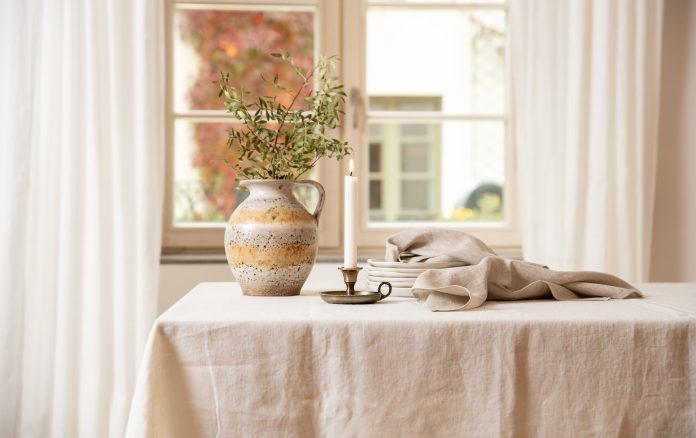

Tips for Buying Custom-Size Tablecloth

Selecting a custom-size tablecloth can be both an exciting and challenging endeavor. Whether aiming to spruce up your dining room decor, prepare for a special event, or protect your table, finding the perfect tablecloth requires attention to detail and a keen eye for design. The purchasing process can seem overwhelming with the myriad of fabrics, sizes, colors, and patterns available.

Below are tips worth considering;

Measure Accurately: The first step is to measure your table accurately. Measure the length, width, and height, allowing for some drop length (usually 8-12 inches) on each side for a standard drape. If your table has unique shapes or features like extensions or rounded corners, note these measurements, too. Basically, you need a perfect fit for any table with custom dimensions.

Material Selection: The material of the tablecloth matters for both aesthetics and practicality. Consider the purpose of the tablecloth – is it for daily use, special occasions, or outdoor events? Fabrics like cotton and polyester blends are durable and washable, while satin or silk might be more suited for formal occasions.

Customization Options: Look for a seller or retailer offering various customization options. This includes choices in fabric type, color, patterns, and finishes. Some may also provide options for edge finishes like hemmed, surged, or fringed.

Quality and Durability: Assess the quality of the fabric and stitching. A well-made tablecloth with sturdy seams will endure frequent use and washing. Check reviews or request fabric samples to gauge the quality before purchasing.

Consider Usage and Care Instructions: Determine how frequently you’ll use the tablecloth and factor in maintenance. Machine-washable fabrics might be more convenient for regular use, while delicate materials might need special care.

Seam Allowances and Cutting: When ordering a custom size, check if the seller includes allowances for seams or cutting. Sometimes, the exact measurements might translate differently due to the sewing process, and having this clarified can prevent surprises upon receipt.

Communication and Customer Service: Engage with the seller or retailer to ensure clear communication regarding your specifications. A reliable and responsive customer service team can clarify doubts, guide you through the process, and address any concerns you might have.

Budget Consideration: Determine your budget range early on and explore options within that range. Custom-sized tablecloths can vary significantly in price based on material, size, and additional features like embroidery or unique designs.

Shipping and Lead Times: Be aware of the production and shipping times. Custom-sized items might take longer to produce, especially if they require intricate designs or special finishes. Plan your purchase accordingly, especially for a specific event or occasion.

Return Policies and Guarantees: Familiarize yourself with the seller’s return policies and guarantees. Mistakes in custom sizing can happen, so having clarity on what recourse you have if the tablecloth doesn’t meet your expectations is crucial.

Color and Pattern: Select a color that complements your decor or event theme. For a versatile choice, opt for neutral tones or classic patterns that blend with various settings.

What are the Features of Custom-Size Tablecloth?

Fabric options

Fabric options constitute another significant aspect of custom tablecloths. Different materials, such as cotton, polyester, linen, or blends, offer distinct texture, durability, and maintenance qualities. Cotton tablecloths, for instance, present a soft feel and are highly absorbent. At the same time, polyester blends might provide wrinkle resistance and more accessible care, making them suitable for casual and formal settings. Linen exudes a sophisticated charm and becomes more refined with each use, adding a touch of luxury to any table setting.

Professional Appearance

A well-fitted tablecloth instantly elevates the ambiance of any space. Custom-sized table coverings contribute to a polished, professional look, whether for a business event, restaurant setting, or at-home entertaining.

Precise fit

Whether you have an unconventional table shape or size, these tablecloths are tailored to exact measurements, eliminating any excess fabric or awkward draping creating a polished and tidy look.

Customization

The customization aspect is a standout feature, allowing individuals to select from a spectrum of colors, patterns, and designs to precisely match their décor or event theme. Whether it’s a classic solid color, a playful print, an intricate pattern, or even personalized embroidery or monograms, the ability to tailor the tablecloth to specific preferences contributes significantly to its appeal.

Highly functional

The functionality of custom-size tablecloths extends beyond aesthetics. Many are designed with practical features such as stain resistance or spill-proof coatings, ensuring easy cleanup and maintenance, especially during events or gatherings where accidental spills are more likely.

Highly versatile

The versatility of these tablecloths is notable, too. They can effortlessly transition between various settings, serving equally well in everyday use, formal dinners, outdoor parties, or special events like weddings and celebrations. Their ability to enhance the ambiance while protecting the table surface is a fundamental feature that makes them a staple in residential and commercial settings.

Great quality

The quality of craftsmanship is often a defining characteristic of custom tablecloths. The attention to detail, precision in measurements, and the option for additional enhancements like decorative trims, borders, or specialized finishes all contribute to these bespoke table coverings’ overall appeal and durability.

Basically, custom-size tablecloths offer a harmonious blend of functionality, aesthetics, and personalization. Their ability to cater to specific table dimensions, preferences in fabric and design, and their versatility across diverse settings make them a sought-after choice for those seeking a tailored and refined touch to their tablescapes.

Personalization

Custom-size tablecloths offer a canvas for personalization. From choosing the fabric type, color, pattern, and trim to adding custom embroidery or monograms, these tablecloths can be tailored to match any decor or event theme, adding a unique touch to your space.

Long-term Investment

While they might initially cost more than standard tablecloths, custom-sized ones are often seen as an investment. Their durability, precise fit, and ability to cater to specific preferences can make them a more cost-effective choice in the long run.

Finally, considering these aspects and features of custom-size table cloth, you can ensure a smoother and more satisfactory experience when purchasing a custom-size tablecloth. Remember, attention to detail and clear communication are key to getting a tablecloth that fits perfectly and enhances your space’s aesthetic.

Designer Sofas: Adding Style to Your Living Area

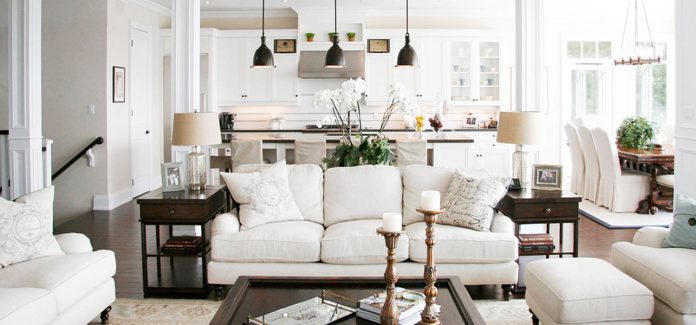
The sofa is a standout component in interior design that becomes the centre of attention in any living area.

We’re not talking about just the old sofa here; we’re talking about the best of the best, the designer sofa. These sofas aren’t your typical ones; rather, they’re a statement piece that embodies luxury and design and has the power to turn your living room into a work of art.

Designer sofas are creative creations that are expertly created; they are more than simply seats. These sofas, in contrast to mass-produced substitutes, are the creation of talented craftsmen who have combined practicality and visual appeal.

The atmosphere of your living space may be greatly influenced by a designer sofa you choose. Beyond the norm, a designer sofa offers a special fusion of comfort, elegance, and originality. It is more than just a piece of furniture—it is an expression of your style and individuality.

Features That Set Designer Sofas Apart

Special Designs

The unique designs of designer sofas are among its distinguishing features. Every item is a unique work of art with minute details and well-selected components that make it stand out. These sofa sets accommodate a variety of aesthetic preferences, whether it’s a chic contemporary style, an elegant vintage appearance, or an eclectic bohemian feel.

Superior Substances

Designer sofas are known for their high quality. Made from high-quality materials, they have a posh appearance and last over time. Every element, from premium upholstery to sturdy wood frames, is chosen with longevity and beauty in mind.

Personalization Choices

The opportunity to customize the sofa to your tastes is another unique feature. Customization choices range widely, from selecting certain design features to picking the colour of the cloth. This guarantees that your sofa will complement your decor and be a real representation of your taste.

Examining Trendy Designer Sofa Designs

Contemporary and Simplified

Modern designer sofas are ideal for those who value simplicity and clean lines. These sofa sets often have streamlined designs, muted hues, and creative forms that give them a chic, modern appearance.

Traditional and Everlasting

If you have a penchant for classics, these designer sofas are charming and elegant. With features like scrolled arms and tufted upholstery, these pieces give your living area a hint of classic grandeur.

Bohemian and eclectic

Designer sofas with a boho vibe are a lovely option for those who want diverse décor and are free-spirited. Abundant in hues, designs, and atypical forms, these sofa sets infuse your house with a lively and lively vibe.

Things to Take into Account Before Purchasing a Designer Sofa

Space and Size Issues

Take into account the size of your living space before falling in love with a certain style. An overbearing sofa that disappears into the room might throw off the equilibrium. Take precise measurements of your space and choose a sofa that fits the overall dimensions.

Selection of Materials

The selection of materials is not only about taste. Take durability, comfort, and upkeep into account. Popular options include leather, velvet, and premium fabric; each provides a unique fusion of elegance and usefulness.

Selections of Colour and Fabric

The tone of your living area is established by the colour scheme. Make sure it complements your overall design concept, whether you choose a strong colour to draw attention to a particular area or a neutral tone to create a calm ambience. Similarly, choose textiles that are simple to keep and fit your lifestyle.

Advantages That Go Beyond Looks

Improved Visual Appeal

A designer sofa enhances the visual appeal of your living space and is more than just a piece of furniture. It’s a piece of art. It sparks interest and appreciation from the visitors and becomes a topic of discussion.

Strength and Lifespan

Purchasing a luxury sofa represents a dedication to excellence. These sofa es are made to endure because of their durable frames and high-quality materials that hold up over time. Even though the initial cost could be greater, the investment is justified by the long-term durability.

Ergonomics and Comfort

Comfort comes before anything else. Designer sofas give equal weight to both, providing the ideal harmony of ergonomics and style. Cradle yourself in the luxurious cushions and discover a degree of comfort that goes beyond normal.

Conclusion

The sofa you choose will play a big part in the overall home design scheme. A designer sofa goes above the norm and represents your taste and style. The experience of owning a designer sofa is a monument to the creativity and skill that characterise outstanding furniture, from the first selection process to years of pleasure.

The Cost-Saving Benefits of Native Plants

In an era where every cent counts, finding cost-effective solutions in every facet of life can lead to significant savings. One area where savings might not be apparent is gardening and landscaping.

However, by embracing native plants— species that have evolved in a particular region over time and adapted to the local environment — you can enjoy a beautiful, flourishing garden and substantial financial savings.

This article dives into the cost-saving benefits of native plants, illuminating a path toward a lush garden without a hefty price tag.

Understanding the Real Cost of Non-Native Plants

The allure of beautiful non-native plants can be tempting when envisioning a new garden or landscaping project. However, the financial commitment to these plants goes beyond the initial purchase price. Non-native plants often require a substantial amount of water to thrive in unfamiliar terrains, leading to escalating water bills.

Non-natives may also need specific fertilizers and amendments to simulate their native soil conditions. The battle against pests and diseases, which these plants are not naturally resistant to, entails a continuous expenditure on pesticides and herbicides.

Routine maintenance — pruning, trimming, and potential replacement of plants that fail to thrive — can all add up over time.

On the environmental front, chemical runoff from fertilizers and pesticides can contaminate local water sources, and the displacement of native plants can lead to biodiversity loss. Non-native plants can even turn invasive, disrupting local ecosystems and incurring costs for control or eradication.

Direct Cost-Saving Benefits of Native Plants

Transitioning to native plants can alleviate many of the costs associated with non-native species:

  • Water Conservation: Native plants are accustomed to the local climate and soil conditions, significantly reducing the need for supplemental watering. This adaptation reduces water bills, a boon in regions with scarce or expensive water.
  • Lower Maintenance Requirements: With a natural resistance to local pests and diseases, native plants require less maintenance. The reduced need for pruning, trimming, and replacing dead or diseased plants can save money and time.
  • Reduced Fertilizer and Soil Amendment Costs: Native plants thrive in the soil in your area without the need for costly soil amendments and fertilizers. Their ability to flourish in local soil conditions alleviates the necessity for additional nutritional supplements.
  • Natural Pest Control: The presence of native plants encourages a balanced ecosystem, attracting beneficial insects that prey on common pests and reducing the need for chemical pest control solutions.

Indirect Cost-Saving Benefits of Native Plants

The benefits of native plants extend beyond direct financial savings:

  • Increased Property Value: A well-established, low-maintenance native landscape can be a selling point for prospective buyers, especially those with environmental consciousness.
  • Community Sustainability Initiatives: Some regions offer grants or tax incentives for sustainable landscaping practices, providing financial incentives for adopting native plants.
  • Health Benefits: By reducing the need for chemical pesticides and fertilizers, native plants contribute to a healthier living environment. Moreover, the mental health benefits of a serene, natural, biodiverse garden are immeasurable.

Making the Switch to Native Plants

Transitioning to a native plant landscape might seem daunting, but the process can be smooth and rewarding with a well-planned approach. Start by researching and selecting native plants that you find appealing, and that will thrive in your particular area.

Save Money — Plant Native

The cost-saving benefits of native plants are tangible and far-reaching. By making the switch, you’re not only cutting down on your gardening expenses but also contributing to a healthier ecosystem and potentially increasing the value of your property. Native plants offer a win-win solution for your wallet and the environment, making them a smart choice for the conscientious gardener.

The Art of Shed Building: Discovering the Craft Behind Your Perfect Backyard Retreat

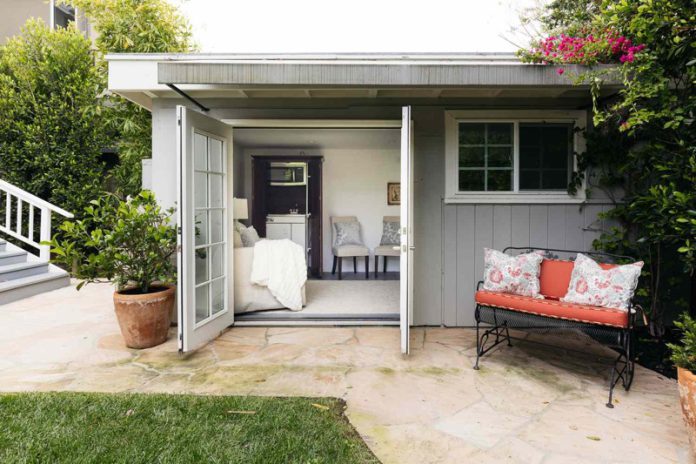
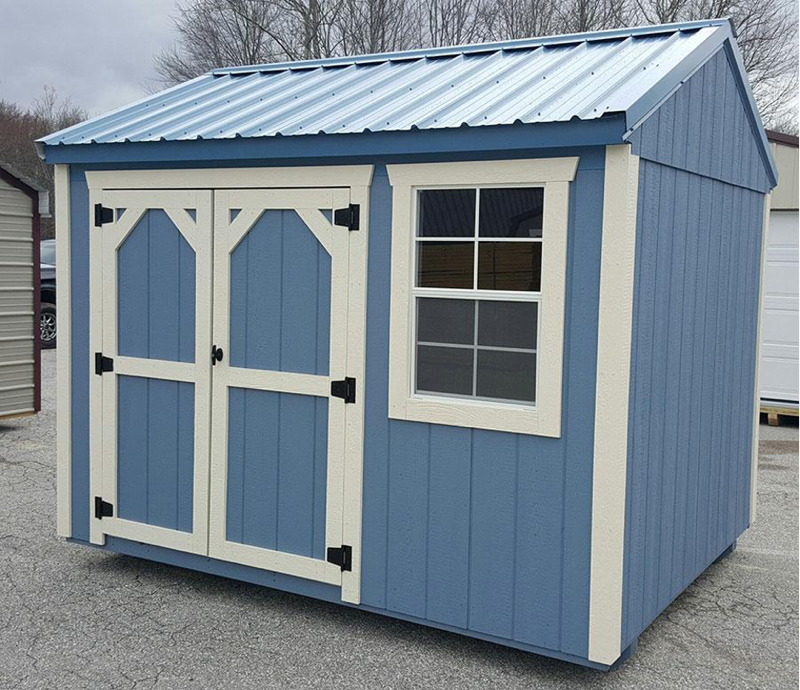
The art of shed building demands an artisan’s touch for every storage shed, yard barn and backyard retreat as well as the power to transform your backyard into your personal sanctuary. No one should settle for an ordinary shed, but instead should expect a thoughtfully designed and meticulously constructed works of functional art from your shed builder.

Beyond their rugged durability, sheds also introduce an element of beauty to your backyard. With a wide selection of styles from traditional to contemporary, there is an ideal shed to complement any landscape. Careful color selection and finishing touches elevate sheds from purely practical to downright charming. Your shed should reflect your personality as the homeowner and become a beloved backyard destination rather than just storage space.

If you are looking for the perfect backyard retreat from a shed builder near you, accept no less than a structure that provides a space for relaxation, creativity and connection. Your shed builder is more than just a collaborator, but someone who will work closely with you to bring your unique shed vision to life. A custom shed, meticulously constructed to meet both your practical needs and aesthetic desires, can transform your property into an idyllic personal escape.

The Journey of Shed Building

The creation of a customized shed is a thoughtful process requiring skill and precision at every step. Even before the first nail is hammered, your shed builder must dedicate time collaborating with you to bring your vision to life through detailed plans and drawings. Shed design is about more than function—it’s about reflecting your personal style and maximizing your backyard enjoyment.

Once the design is finalized, the shed building team team gathers quality materials to match the shed’s specifications. From durable oak for framing to galvanized steel for roofing, every component is carefully vetted. Material selection is critical for aesthetic appeal as well as structural integrity.

With the design set and materials gathered, the shed construction process begins. Master craftsmen employing time-honored building techniques erect your shed from the ground up. Wall framing must be perfectly square to ensure proper alignment, while rafters are cut and installed at precise angles to guarantee a watertight roof. Every step leaves no room for error.

Installing exterior siding and trim demands close attention to produce flawless corners and clean lines. Whether boards are installed vertically or horizontally, or panels are used, the finish work creates a cohesive look. Choosing complementary colors and tones is an art form in itself.

The interior takes shape through additions like storage-savvy shelving, handy workbenches, and custom touches. Wise use of interior space streamlines organization and workflow when your shed builder goes the extra mile, applying trim, hardware, and finishing touches that elevate the look and feel inside and out.

Throughout the build, crew members must incorporate techniques they’ve perfected over years of shed construction. Efficient practices like using story poles for alignment and jigs for repetition ensure consistency and precision, enabling their expertise to shine through every aspect of your shed.

After a close final inspection, your customized shed is ready for delivery and installation. Seeing the shed take shape and helping you envision how it will be used is a gratifying culmination of the shed building process. Make sure your shed builder takes pride in building sheds that will become backyard treasures for years to come.

Crafting the Perfect Shed Building Design

The design process lays the foundation for constructing a shed that exceeds expectations. No two shed projects are exactly alike—each must be tailored to the homeowner’s unique needs and personal tastes. Some prioritize space to pursue hobbies, while others value style coordination with their home exterior. Certain landscapes call for a cozy garden shed, while larger properties need a roomy garage for storing equipment. Your shed builder must evaluate your lifestyle, usage and aesthetic preferences to craft a shed designs that checks every box for you.

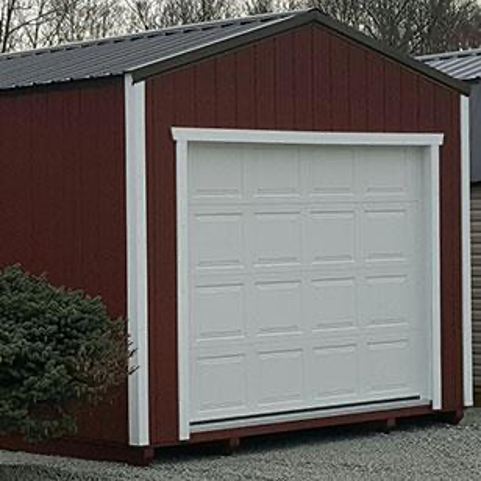
With a catalog of versatile shed models to choose from, there is flexibility to get the layout just right. You will want to choose from various roof types, doors, windows and other custom touches to create your ideal shed. The number of windows and their placement impacts both natural light and ventilation. Extra-wide doors accommodate large equipment. Loft space expands storage capabilities.

For those envisioning something entirely unique, ask the shed builder near you to bring original designs to life down to every detail. Want a craft room with custom shelving and extra lighting? Need a pool house with prep space and room for lounging? Leverage their expertise to turn your abstract ideas into practical build plans for your shed.

Your shed builder should handle critical steps like obtaining permits to ensure all local building codes are met. Make sure they have the experience to identify potential issues early and modifies designs to avoid costly delays or rework. You should feel confident that the final shed plans account for every variable.

Building Shed Doors: The Gateway to Elegance

Shed doors serve as both practical access points and design centerpieces. Constructing these gateways with care lends elegance to any backyard structure. Crafting durable and beautiful doors starts with selecting woods like pine or cedar that can withstand exposure to the elements. Achieving a flush fit and smooth operation requires meticulous woodworking and precise structural calculations.

Beyond material selection, shedding builders pay special attention to design aesthetics. Options like arched tops, crossbuck patterns, or glass panes allow for style personalization. Staining and sealing doors enhances natural wood grains while protecting against moisture. Hardware choices add further flair, from wrought iron handles to rustic barn latches. Taking the time to handcraft and finesse every detail elevates ordinary doors into works of art.

Doors must also offer effortless and reliable functionality. Using sturdy hinges, quality seals, and locking mechanisms ensures they operate smoothly for years. Ample width and height simplifies accessing stored items. Well-constructed doors seamlessly blend durability, convenience, and beauty into permanent shed fixtures. They become lovely and reliable gateways beckoning owners to enter their personalized spaces.

The Importance of Structural Integrity

A storage shed’s structural integrity determines its lifespan and durability. Carefully designing and constructing the foundation, framing, and roofing ensures the shed withstands the elements for years to come. Several key factors contribute to robust structural integrity.

The foundation must provide a stable, level base. Techniques like installing concrete footings or blocks to create a reinforced platform prevent sinking or shifting over time. Robust wooden floor framing resists rotting and allows for proper drainage underneath.

Framing relies on weather-resistant lumber and sturdy construction practices. Vertical wall studs with closely spaced brackets provide ample support strength. Treating wood beams and posts protects against termites and moisture damage. Proper alignment and bracing prevent warping or loosening of the frame.

Roofing materials also impact structural soundness. Waterproof asphalt shingles coupled with felt underlayment seal out rainfall. Generous overhangs keep water away from siding and doors. Sturdy roof rafters secured with robust connectors tolerate high winds.

Skilled craftsmen use time-tested building techniques to create robust shed structures. They select durable materials purposefully designed to withstand outdoor exposure. Careful construction and weatherproofing provides peace of mind that the shed will maintain structural integrity for decades.

Beyond Storage: The Versatility of Custom Sheds

Sheds lend themselves to far more than basic storage thanks to versatile custom designs. With thoughtful planning, sheds become perfect spaces for pursuing hobbies, relaxing, entertaining, and more. Their relatively small footprints allow for creative uses beyond housing tools and equipment.

For hobbyists, sheds provide ideal workshops with customized organizational systems. Avid gardeners add potting benches, tool racks, and cold storage areas for fresh harvests. Artists enjoy natural light in creative studios complete with sinks and storage cubbies. Woodworkers outfit sheds with sturdy workbenches, wall-mounted tools, and dust collection.

Relaxing getaway sheds feature amenities like countertops with integrated beverage fridges, comfortable seating, and audio visual systems. Yoga studios and meditation spaces provide tranquility with minimalist designs. Some even add bathrooms and loft sleeping areas to create backyard guest cottages.

Pet lovers transform sheds into pampered animal habitats. Climate control, raised beds, and play areas keep animals happy right at home. Chicken coops give urban farmers space for their feathered flocks to roost.

With thoughtful customization, sheds adapt to virtually any activity. Their relatively small size makes them easy to outfit for specialized hobbies, entertainment, and livability. Sheds become more than storage—they provide the perfect versatile backyard sanctuaries.
Get Started on Your Backyard Retreat

Creating an ideal backyard retreat begins with the artistry and craftsmanship of a talented shed builder. Their expertise elevates a simple storage structure into a personalized work of art to enhance outdoor living spaces.

Seeking out experienced builders devoted to quality workmanship ensures the shed design process translates vision into reality. From collaborating on custom plans to selecting durable and beautiful materials, master artisans make each detail shine. Purposeful construction techniques based on generations of expertise result in storage sheds built to endure.

The right builder partners with clients to carefully craft the shed’s aesthetics, purpose and personality. With their help, you can look forward to enjoying a customized backyard retreat for years to come, appreciating quality construction and charm each time you enter your backyard retreat. When artful design meets impeccable craftsmanship, storage sheds become beautiful sanctuaries perfect for making lasting memories.
Learning About Spray Foam Insulation

The foundation of a building is its most important aspect. It is what ensures the building remains standing, what keeps infestations and debris from making their way through the cracks and crevices. A building’s structure and foundation are what ensure its safety, but how do you ensure that safety? How can you make sure that such problems are handled before they become an eventual issue in the future, a problem that at that point may be beyond a solution?

As you probably know, there are certain places that are harder to take care of than anywhere else. Take for instance the attic, basement, or walk-in closet. In places like these, buildups of cracks, debris, and structural problems are common to appear, and if left unchecked, can eventually lead to a building’s decay and eventual destruction. Such things are not impossible to get rid of, on the contrary, there is a process that serves to get rid of all this and more, and do you know what that process is called? Spray foam, and by extension, spray foam insulation.

Now you may be asking, what exactly is spray foam? Thankfully, to answer this and other questions, we will be going over the product below in this article.

What is Spray Foam?

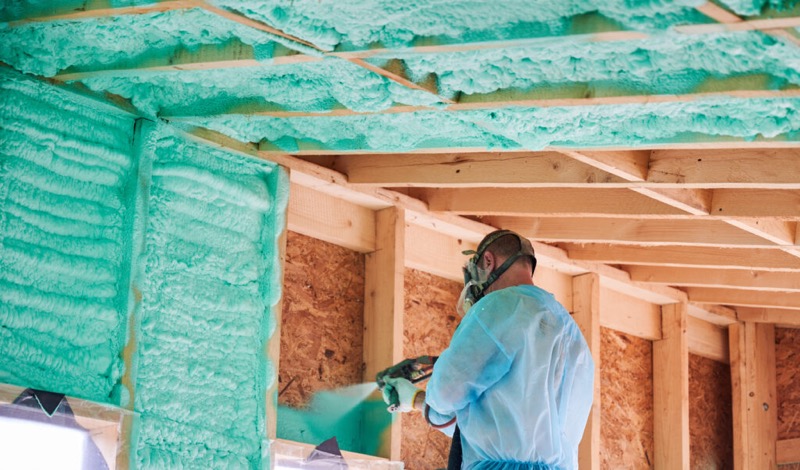
Spray foam, or expanding foam as it is commonly known as in the United Kingdom (click here for more), is a chemical product created from mainly two types of materials: namely, isocyanate and polyol resin. When these two materials are mixed into each other, they create a cleaning mixture that expands up to 30-60 times its volume when sprayed. It was first created in 1937 by Otto Bayer, who by the way is also credited with creating polyurethane in the same year.

What is Spray Foam Used For?

Spray foam is first and foremost used as an insulator, specifically, building insulation. It is sprayed unto places such as the cavities of a wall, the roof tiles of a home or building, or even beneath and in between concrete slabs. When sprayed onto such surfaces, it serves to insulate heat transfer and also maximize air filtration. This is a product that is a great alternative to fiberglass, which has its own problems which I will not even get.


How Does Spray Foam Work?

As spray foam is also made from polyurethane, the properties operate in much the same manner. Polyurethane is a closed-cell foam insulating material, which means they are a great candidate for heat transfer limitations. This includes the likes of:

  • Conductive heat transfer – the flow of thermal energy from a high-temperature region to a low-temperature region.
  • Radiant heat transfer- when heat transfer energy is emitted more strongly by warmer surfaces and absorbed by other materials of low IR.
  • Convective heat transfer- when heat energy is created elsewhere and transported by liquid or air.

You can find more information on the product by clicking the website below:

https://www.forbes.com/home-improvement/home/spray-foam-insulation-buying-guide/

Types of Spray Foam

It comes in mainly two different types: light-density and medium-density.

  • Light density- light density open-cell spray foam, also known as ½ pound foam. It is semi-rigid in structure and when sprayed has the appearance of something like a sponge. When used, the foam expands and creates small cells that are filled with c02, or carbon dioxide. This process makes it ideal for sealing cracks, voids, and other crevices and serves to form an insulation measure that seals the air trapped inside.
  • Medium density- medium-density foam, also known as two-pound foam. It is a rigid insulating material that has a Long-Term Thermal Resistance with an R value between 5 and 6 per inch. This is stronger than light-density foam spray but in consequence, is also more expensive.

Where to Find It

You can find it in almost any retail store that deals in home goods and furniture. This includes the likes of Home Depot, Walmart, Ace Hardware, and Lowe’s especially. You can also find this product online on sites such as Amazon or eBay. Alternatively, you can find companies who service in such methods, especially in Covington, KY spray foam insulation or other parts of Kentucky.  All in all, the service or product is fairly simple to get ahold of.

Conclusion

Cleaning and maintaining cleanliness are important; it does not matter if it is your appearance or where you live or do business. The latter may take more effort than most, but a good start to getting it done is investing in the services of quality foam spray or foam spray services. Whether in Kentucky, anywhere in the United States, or even the rest of the world. Spray foam insulation is a product and service that once you invest in it, you will be more than satisfied with the results that it brings.

Housing Market Dynamics in the Tri-Cities Area of San Antonio

The Tri-Cities Area of San Antonio, comprising Schertz, Cibolo, and Universal City, has been experiencing significant shifts in its housing market dynamics. In this comprehensive exploration, we will delve into the real estate industry’s perspective on the current trends and factors influencing the housing market in this thriving region.

Understanding the Tri-Cities Area:

Located in the northeastern part of San Antonio, the Tri-Cities Area offers a unique blend of suburban tranquility and urban accessibility. With a growing population and proximity to major employers and military bases, it has become a sought-after destination for homebuyers. Let’s take a closer look at the key factors shaping the housing market dynamics in this vibrant region.

Population Growth and Demographics:

The Tri-Cities Area has seen a steady influx of residents in recent years. This population growth can be attributed to its reputation for excellent schools, safe neighborhoods, and a high quality of life. Young families, professionals, and military personnel stationed in nearby bases are among the key demographic groups driving the demand for housing.

Affordability and Housing Options:

One of the appealing aspects of the Tri-Cities Area is its affordability compared to the more central parts of San Antonio. Potential homebuyers can choose from a variety of housing options, including single-family homes, townhouses, and apartments, catering to a wide range of budgets and preferences.

Economic Opportunities:

The presence of major employers, such as Randolph Air Force Base and various corporate offices, has contributed to a robust job market in the region. This economic stability further fuels the demand for housing, as residents seek to live closer to their workplaces.

The Impact of COVID-19:

The COVID-19 pandemic has reshaped housing market dynamics across the country, including in the Tri-Cities Area. While the region remained relatively resilient, certain trends have emerged:

Remote Work and Housing Preferences:

With the rise of remote work, many individuals are reconsidering their living arrangements. Some are drawn to the Tri-Cities Area for its spacious homes and suburban charm, as it aligns with the desire for more space and a home office.

Supply Chain Disruptions:

Like many other areas, the Tri-Cities Area has experienced challenges related to the supply chain, affecting construction timelines and the availability of new homes. This has put additional pressure on the existing housing stock, potentially leading to increased competition among buyers.

Market Challenges and Opportunities:

While the Tri-Cities Area offers numerous advantages, it also faces certain challenges and opportunities in the real estate market:

Limited Inventory:

The demand for homes in the Tri-Cities Area often outpaces the supply. This limited inventory can lead to bidding wars and higher home prices, presenting challenges for first-time buyers.

Investment Potential:

Real estate investors are drawn to the Tri-Cities Area due to its growth prospects. The potential for rental income and property appreciation makes it an attractive destination for those looking to expand their investment portfolios.

Market Predictions:

Industry experts anticipate continued growth in the Tri-Cities Area’s housing market, driven by its appeal to a diverse range of buyers. However, the pace of this growth may be influenced by external factors, such as interest rates and economic stability.

Conclusion:

The Tri-Cities Area of San Antonio is undeniably a hotspot in the real estate market, offering a blend of affordability, opportunity, and quality of life. As the region continues to evolve and adapt to changing circumstances, it remains a compelling destination for both homebuyers and real estate investors. Understanding the dynamics of this market is key to making informed decisions in this exciting real estate landscape. Whether you’re considering a move or an investment, the Tri-Cities Area deserves your attention as a thriving hub in the heart of Texas.

Protecting Your Investment: Long-Term Maintenance Tips For Tile Floors

Young woman in casual clothes cleaning wasing floor using mop with cleaning solution in living room at home. Woman doing housechores at home. Housekeeping concept.

Tile flooring can be a major investment when renovating or building a home. From elegant stone and ceramic to durable porcelain, tile offers style, easy cleaning, and lasting beauty that enhances a property’s value. Unlike carpeting or wood floors that show wear over time, tile longevity means one installation can serve a lifetime when properly maintained. However, tile still requires some routine and preventative care to maximize that longevity and protect your investment in its enduring elegance.

Just like caring for your home’s roof, foundation, appliances, or other valuable assets, protecting the beauty and integrity of your tile flooring ensures it will continue gracing your home with style and visual interest for years or even decades to come. That said, this article will provide you with premium, high-quality tips on how to protect and safeguard the significant investment you’ve made in your tile flooring.

  • Choose the Right Cleaning Products

When learning how to clean porcelain tile floors effectively, you first need to choose the appropriate cleaning products. Avoid utilizing strong and harsh chemicals that can cause discoloration or damage to the tiles. Instead, opt for pH-neutral cleaners formulated particularly for tile. These cleaners will effectively remove dirt, grime, and stains without compromising the integrity of your tiles.

  • Do Regular Sweeping and Vacuuming

Preventing the buildup of dirt and debris is crucial to maintaining the pristine appearance of your tile floors. Make it a habit to sweep or vacuum your tile floors regularly. You may use a vacuum cleaner or a soft-bristle broom to avoid scratching the tiles. By removing dirt and debris promptly, you’ll prevent them from being ground into the tiles and causing scratches or dullness.

  • Mop With Care

While regular sweeping or vacuuming is essential, mopping is also necessary to deep clean your tile floors. Ensure you use a mop with a soft, non-abrasive cloth or mop head. Avoid using excessive water, as it can seep into the grout lines and potentially cause damage. Simply dampen the mop with a suitable tile cleaner and gently mop the floors. To finish, dry the floors thoroughly after mopping to prevent water spots or streaks.

Woman cleaning tile floor with mop, top view. Space for text
  • Perform Regular Grout Maintenance

Neglecting grout maintenance can lead to discoloration, mold, or mildew growth, and even tile instability. To protect your investment, it’s crucial to pay attention to the grout lines between your tiles. Regularly inspect the grout for signs of damage or discoloration. If you find issues, promptly address them by applying a grout sealer or performing any necessary repairs. By properly maintaining the grout, you’ll help preserve the overall integrity of your tile floors.

  • Protect Your Tiles Against Scratches and Dents

Preventing scratches and dents is essential to maintaining the pristine appearance of your tile floors. Place floor mats at entrances and high-traffic areas to capture dirt and prevent it from being tracked onto the tiles. Additionally, using furniture pads under the legs of your chairs, tables, and other heavy furniture pieces will protect against scratches and dents when they are moved or shifted.

  • Prompt Spill Cleanup

Spills are inevitable, and how you handle them can greatly impact the condition of your tile floors. Regardless of whether it’s water, juice, or any other substance, it’s essential to clean up spills promptly. Avoid letting liquids sit on the tiles for extended periods, as they can penetrate the grout lines or cause staining. Use a damp cloth or mop to absorb the spill and clean the affected area with a suitable tile cleaner.

  • Prevent Fading from Sunlight

UV rays from sunlight can potentially cause fading and discoloration on your tile floors, especially if they are located near windows or exposed to direct sunlight. To prevent fading, consider installing window films or shades to filter out the sunlight. Additionally, rearrange the room’s layout periodically to maintain the tiles’ natural color.

  • Don’t Neglect Deep Cleaning

While routine cleaning is essential, deep cleaning periodically is also necessary to remove dirt buildup that can dull the sheen and appearance of your tiles. Consider utilizing a steam cleaner for a deep and effective clean. Steam cleaners use hot water vapor to clean and sanitize the tiles, effectively removing dirt and grime from the surface.

  • Be Careful with Sealing

While sealing is essential to protect the look and longevity of your tiles, it’s important to be mindful of not overdoing it. Oversealing your tiles can cause discoloration and even peeling. Avoid applying multiple sealant layers and follow the recommended application frequency.

  • Schedule For Regular Professional Maintenance

While regular maintenance is crucial, seeking professional help periodically can further protect your investment. Professional tile cleaners and restorers have the expertise and specialized equipment to effectively deep clean, restore, and seal your tile floors. Consider scheduling professional maintenance every year or, as advised by experts, to ensure your tile floors remain in optimal condition.

Key Takeaway

With these long-term maintenance tips, you can protect your tile floors and make the most of your investment. So, implement these practices, and you’ll not only enhance the aesthetic appeal of your home but also extend the lifespan of your tile floors. Remember, a little effort today can go a long way in preserving the elegance and functionality of your home’s tile surfaces.

Dive into Luxury with the Best Short-Term Lets in Town!

Introduction

Bath, England, is a beautiful city with plenty of options for short stays. This city in Somerset is one of the main tourist attractions in England. It was named on the historical importance of the Roman-built baths throughout the city. Exploring such a beautiful place with historical importance should be on everyone’s travel itinerary.

After planning the itinerary, the main concern is booking a good stay. For exploring Bath, it would be better to book a short-term stay. In the following section, we are going to talk about short term lets Bath, their features, and benefits. Take the chance to add such an alluring place to your travel list just because the stays are available. 

Advantages of Staying in Bath for a Short Period 

Historic Charm: Bath is known for its rich history and stunning Georgian architecture. Many short-stay accommodations are situated in beautifully preserved buildings, providing a unique and charming experience. 

Iconic Attractions: Bath is home to the famous Roman Baths and the stunning Bath Abbey. These attractions, along with the picturesque Pulteney Bridge and the Royal Crescent, offer a fascinating glimpse into the city’s heritage and provide excellent photo opportunities. 

Relaxing Thermal Spas: One of the highlights of Bath is its thermal spas. Here, you can indulge in a comfortable spa experience and enjoy the therapeutic benefits of the natural hot springs- perfect for unwinding during your short visit!

Cultural Delights: Bath boasts a vibrant arts scene, with numerous galleries, theatres, and museums. You can immerse yourself in the city’s cultural offerings by visiting The Holburne Museum, the Jane Austen Centre, or catching a show at the Theatre Royal. 

Beautiful Surroundings: Bath is nestled in the picturesque countryside of Somerset, offering stunning landscapes and scenic walking trails. To enjoy the region’s natural beauty, you can explore the nearby Cotswolds or take a stroll along the Kennet and Avon Canal.

Culinary Delights: Bath is a food lover’s paradise, with a wide range of restaurants, cafes, and local markets. From traditional British fare to international cuisines, you’ll find something to satisfy your taste buds during your short stay.

Shopping Galore: Bath is a shopper’s haven, with a mixture of boutiques, vintage stores, and high-street brands. For a unique shopping experience, explore the charming streets of Milsom, Walcot, and Southgate.

Convenient Location: Bath’s central location makes it an ideal base for exploring other nearby attractions. You can easily visit Stonehenge, the Cotswolds, or the city of Bristol, as they are just a short journey away.

Thus, Bath offers a delightful blend of history, culture, relaxation, and natural beauty, making it a perfect destination for a short vacay. Whether you’re looking to soak in the thermal spas, explore the city’s heritage, or enjoy the charming atmosphere, Bath has something for everyone.

Apart from these city benefits, staying in a short-term lets in Bath has advantages. Let’s delve into that now.

Benefits of Short-Term Lets  

Flexibility

Short-term rentals offer greater flexibility compared to long-term leases. Whether you’re visiting Bath for a weekend getaway or staying for a few weeks, you have the liberty to choose the duration that suits your needs.

Cost-effectiveness

Short-term rentals can often be more cost-effective than staying in a hotel, particularly if you’re traveling with a group or waiting for an extended period. You can find options to fit various budgets, from cozy apartments to spacious houses.

Home away from home

One of the most significant advantages of short-term lets in Bath is the homely atmosphere they provide. You can have the comfort and privacy of a fully furnished space, complete with a kitchen, living area, and sometimes even a garden. It’s a great way to feel like a local while exploring Bath. 

Location options

Short-term rentals are scattered throughout Bath, providing you the opportunity to choose a location that best suits your preferences. Whether you want to be in the heart of the city or prefer a quieter neighborhood, you’ll likely find an option that matches your desired surroundings. 

Amenities

Many short-term stays offer a range of amenities to enhance your stay. From complimentary Wi-Fi to fully equipped kitchens, you can have the convenience and comfort of home while having everything you need at your fingertips.

These amenities are helpful for those with dietary restrictions or medical conditions, such as diabetes or a gluten allergy.

All these characteristics of short-term stays attract most tourists to book these rentals and prepare an itinerary accordingly. The beauty of the satisfied place makes it worth the tourist’s while to roam around such a destination. Moreover, this whole planning will be OK with your budget. 

Conclusion

These excellent evaluations demonstrate Bath Luxury Rentals’ features and some of the picturesque places to roam around the city. The above analysis not only reveals some of the hidden facts about the heritage city but also unveils the features of the short-term lets in Bath. Whether it is a couple’s vacation, a staycation with kids, family, or even friends, these spacious homestays are the best option for any trip.

Furthermore, the hotel’s convenient location, attentive customer service, and roomy and well-equipped accommodations have all received high marks from past visitors. Families, in particular, value the kid-friendly features and meticulous attention to detail that make their stay entertaining and comfortable. That’s why we suggest these rentals for your stay. However, it can be a little bit far away from the central city, but the overall experience will compensate for all the shortcomings.

For these short term lets you don’t have to scroll your internet much we have a better place for booking. Shortish Lets provides rooms and homestays as per your needs. They offer wholesome discounts depending on the location and services the hotel is offering. For more inquiries related to prices and offers, you can contact them.

22 Best Decoration and Tips to Make Your Room Attractive

roohome.com – Apart from comfort, the beauty of the room is also an important point that you should pay attention to. Usually, a beautiful room will provide a feeling of comfort. And, to get this, you have to decorate the room as well as possible. However, decorating a room is not that easy. There are several things to consider such as color, size, and design. The decoration you use for the room must match the design, concept, size, and layout of the room. That way, the decoration can blend with the interior and add aesthetic value to the room. There are plenty of decorations you can choose for yours. And, we have summarized it in “22 Best Decorations and Tips to Make Your Room Attractive”. So, let’s check it out!

1. Three-Oval Mirror

A mirror is an item that must be in the room. This item is used to help with several activities such as applying make-up, seeing your reflection, and so on. However, nowadays you can find many mirror designs that double their function as decorative items. So, with this, you can use mirrors as decoration to beautify the appearance of your bedroom.

Three-oval mirrors will look attractive when hung on the wall where the cabinet table is located. This is a decorative spot that can make the mirror stand out in the room.

The curved lines on the oval mirror disguise the rigid lines in the room so that the room looks softer. It is good to be applied to minimalist and modern bedroom design.

2. White Large Lampions

lampions
Cc: Pinterest

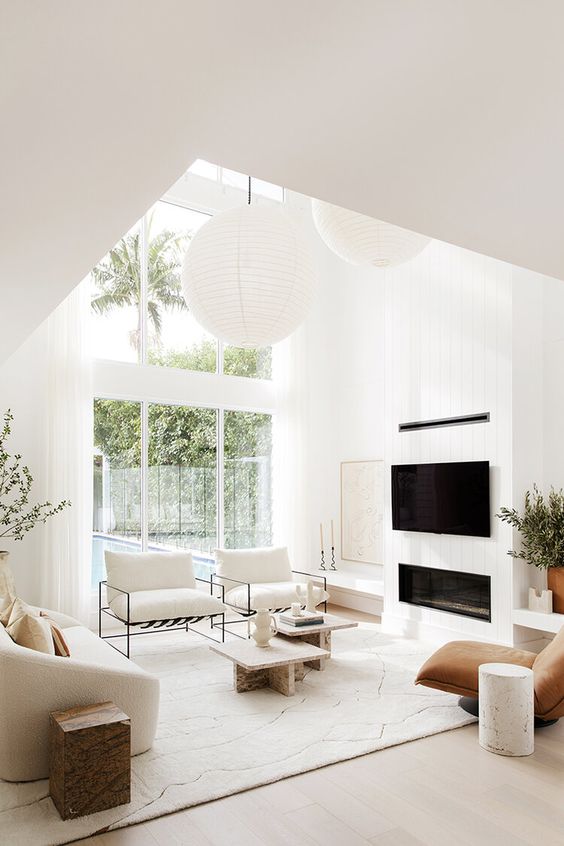
For a minimalist room design, you really can’t use excessive decoration. So, here, you have to play with items that are supposed to be in the room, such as lamps. Currently there are many pendant lamps with attractive designs. So, choose one that can balance with your living room interior.

Large white lanterns can be an option for the minimalist living room. Its large size will immediately catch the eye’s attention even though it is at the top of the room. Two lanterns are hung at different heights to produce a more aesthetic appearance in the living room.

3. LED Light Follow The Wall Accent

LED light
Cc: Pinterest

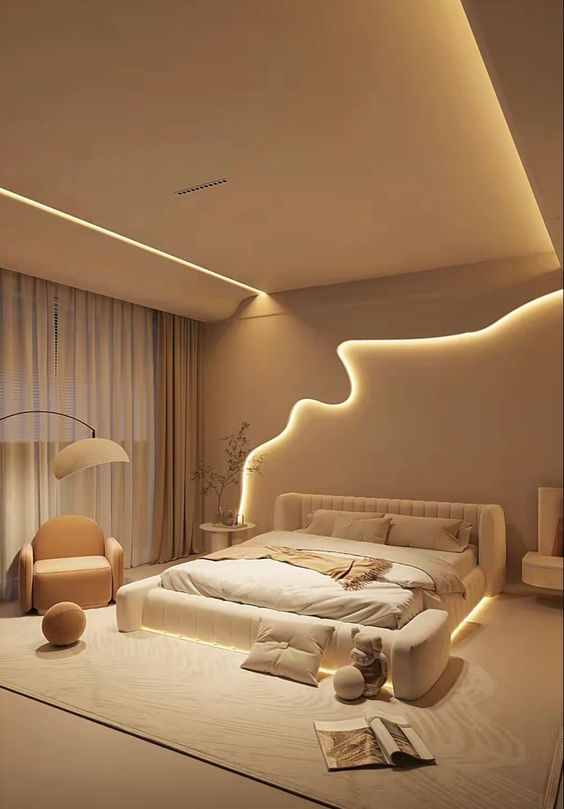
The next of 22 Best Decoration and Tips to Make Your Room Attractive is an LED light. This item can be used to make the wall accent look more real and alive in the room. You only need to install an LED light following the shape of the accent on the wall. The light from the LED light will show the borders on the wall.

LED light with yellow light is the most appropriate for the wall accent. Yellow light looks softer on the eyes. Also, it brings warmth in the room so that the comfort of the room will increase. Besides that, for rooms with a simple concept, yellow lighting can increase calm in the room.

4. Pampas Grass

pampas grass
Cc: Pinterest

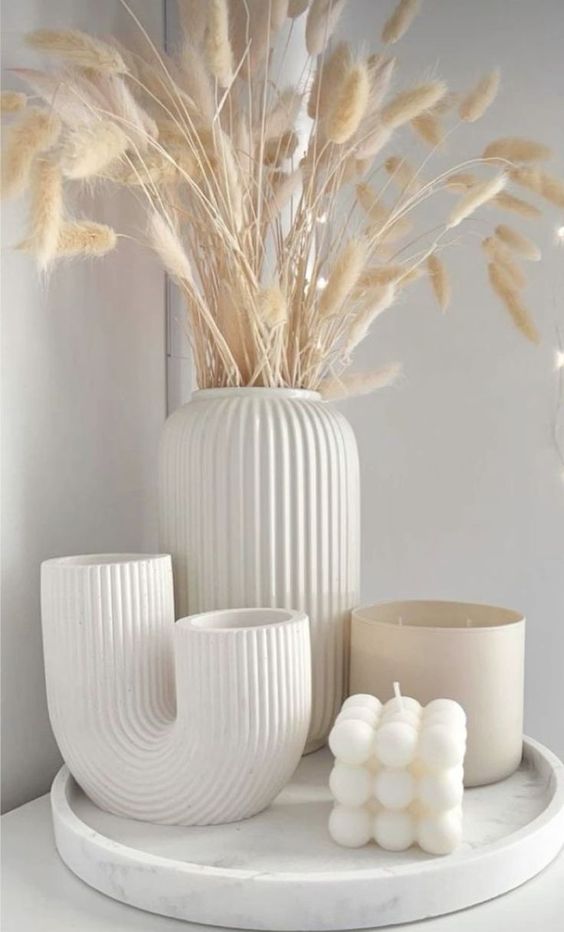
Pampas grass is a room decoration that is been hyped lately. The natural brown color will easily balance with the interior of the room, especially minimalist and natural rooms. You can make the pampas grass an aesthetic decoration by using a vase with a simple but attractive design. For the white room shades, a white vase is a great option.

You can place this pampas grass on a white marble soap dish. Also, fill other spaces with aromatherapy candles and other attractive spaces. It will be a good decoration for your cabinet table in the room.

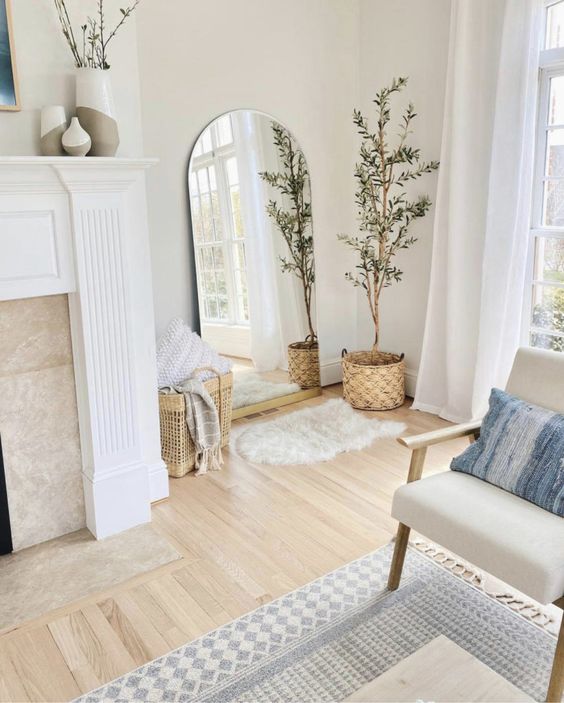
5. Long Mirror and Large Plant

long mirror
Cc: Pinterest

Mirrors are now no longer just items with a function to help with some of your activities. Its attractive design makes it also a decoration to beautify the appearance of the room.

The long mirror is the most appropriate item to decorate the corner of the room. The method is quite easy, you just need to lean it against the wall. It would be better if you leaned the mirror in the corner of the room. That way, the mirror can cover the vertical lines in the corners of the room and make the room feel more spacious. And, this method is most appropriate for you to apply in small rooms.

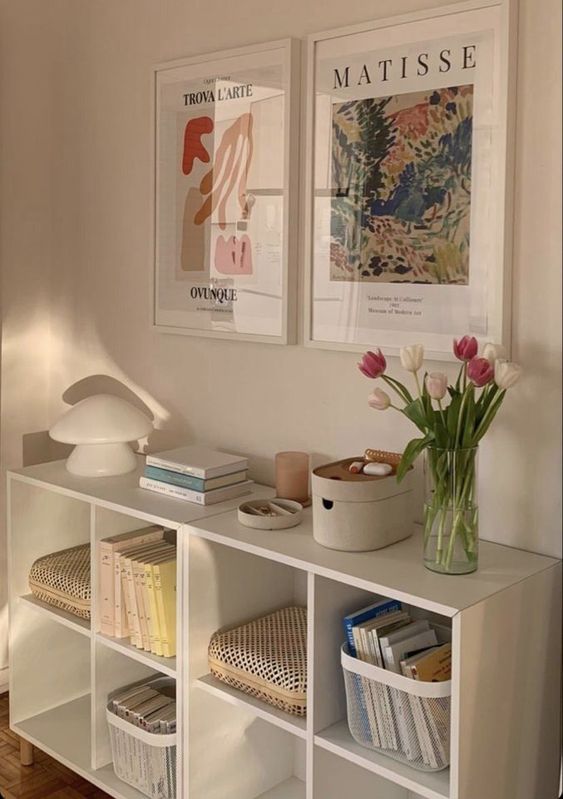
6. Cubbies as Storage and Decorative Area

decorative area
Cc: Pinterest

Not only cabinet tables, you can also use cubbies as decorative areas in the room. Cubbies are actually additional storage. However, you can also be creative here and make the cubbies look stunning.

Use a basket to put your books. It will be better than placing the book directly in the cubbies. And, at the top, you can put some displays. Use plants or flowers to refresh the appearance of the room. You can also put music boxes and table lamps with interesting shapes. Also, extend the display to the wall of the cubbies area. Hanging pictures or paintings are a simple and easy way you can do.

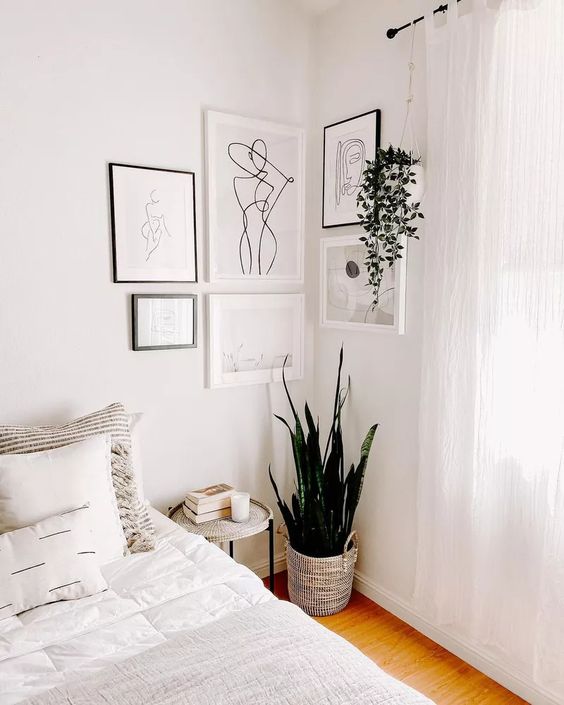
7. Line Paintings for Minimalist Room Design

line paintings
Cc: Pinterest

Decorations for the minimalist room design are not arbitrary. To maintain the minimalist concept in your room, you have to use minimalist decoration too. And, line paintings are the most appropriate.

Line painting with a white background will look suitable when hung on the whitewashed wall. It will look great if you use frames. Using wooden frames can bring a natural impression to a minimalist room. However, if you want to match the decoration to the interior, then use a white or black frame.

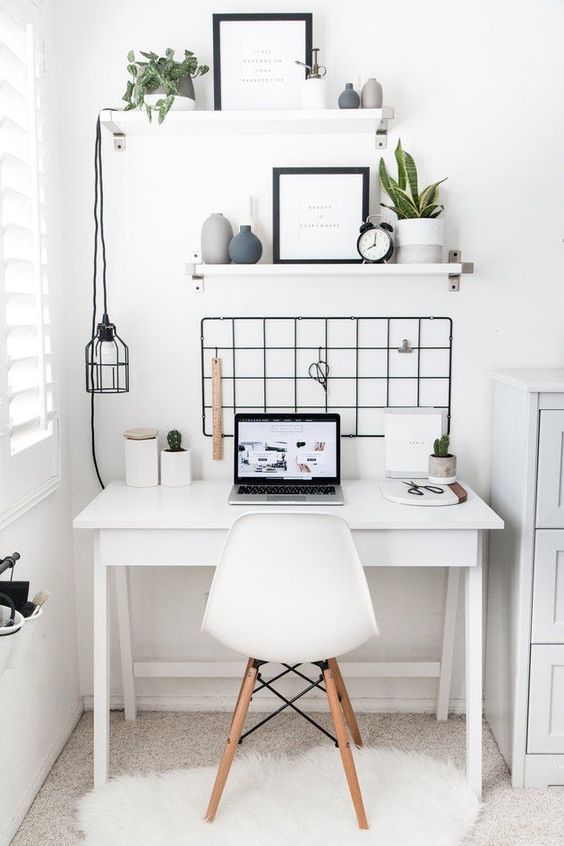
8. Wire Grid for Your Workspace

wire grid
Cc: Pinterest

There is one thing you have to pay attention to when decorating the workspace area, and that is not to make the workspace table look full of decoration. The table must be kept empty so you can work comfortably. So, if you want to decorate the workspace area, then do it on the walls.

A wire grid is a decoration that you can choose for the workspace. Besides providing beauty in terms of appearance, the wire grid also functions as a place for you to hang some of your notepads containing a list of your work or activities. Or, you can also hang your photos so that the workspace will be full of your memories.

9. Fresh Cabinet Table

table cabinet
Cc: Pinterest

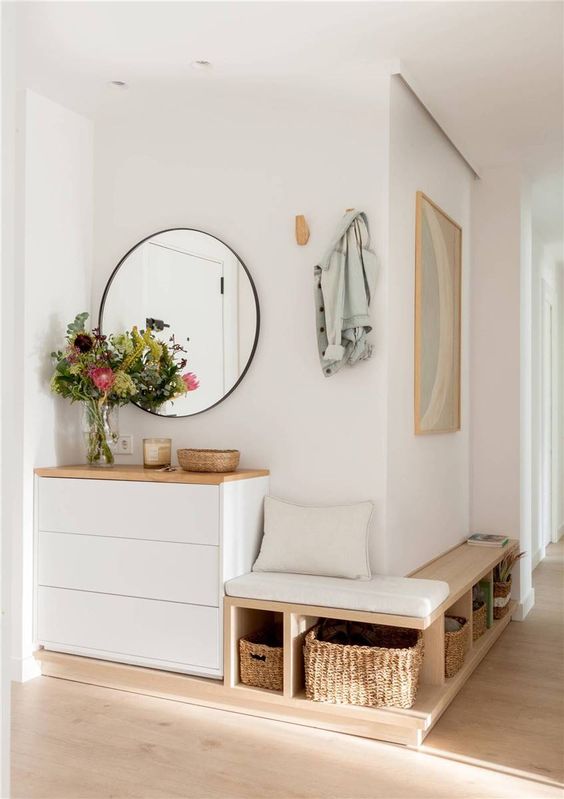
The cabinet table is used to store several items. That way, the tidiness of the room can be maintained properly. However, you can also use the cabinet table as a decorative spot which can help increase the aesthetic value of your room. You can make it fresh by relying on plants or flowers. The natural and beautiful colors of flowers can make a room look more alive.

Indeed, using flowers is not long-lasting. Flowers can wilt so you have to replace them with new ones. However, so that the flowers can last for a longer time, fill the flower vase with fresh water.

10. Freshen Up Your Kitchen with Plants

fresh kitchen
Cc: Pinterest

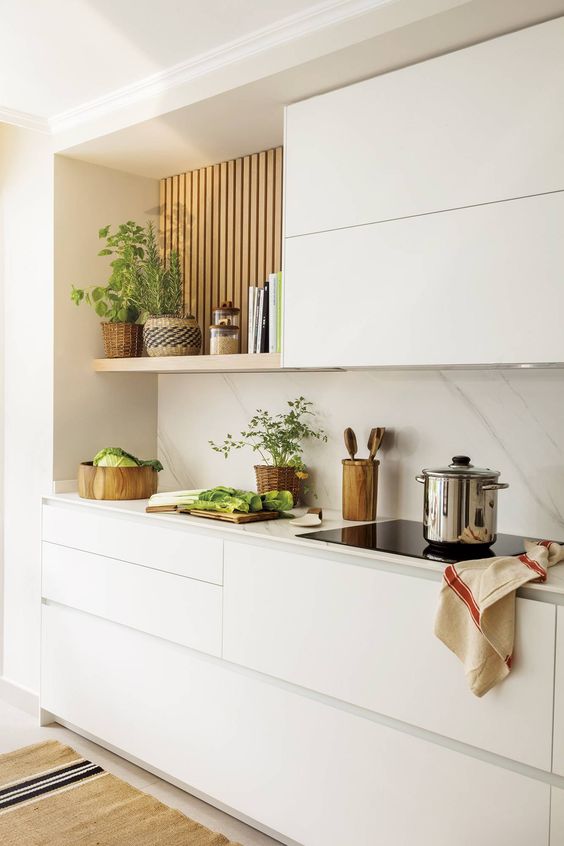
There is a lot of stuff in the kitchen so when you want to add decorations there, choose the most appropriate one. And, among the many decorations, plants are the best option. Using plants to decorate the kitchen can give a fresher and livelier impression. So, besides providing beauty to the appearance, it also makes the kitchen feel more comfortable.

Some plants have the ability to absorb harmful substances in the room. That way, bringing this plant into the kitchen will really help in keeping the air clean.

11. Show Off Your Cooking Utensils on The Countertop

cooking utensils
Cc: Pinterest

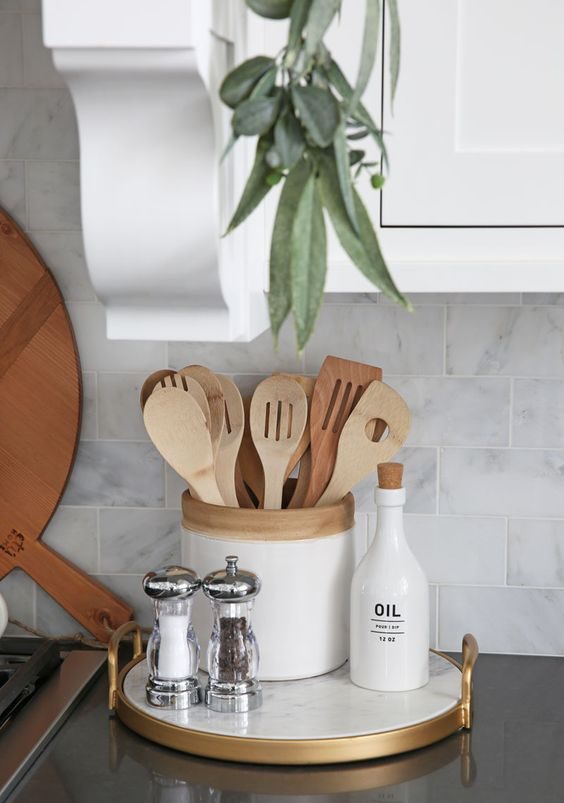
Don’t put your cooking utensils in the kitchen cabinet anymore. Use kitchen utensils as decoration to beautify the appearance of your kitchen. Use the kitchen utensils holder to keep the appearance neat.

We recommend not placing the kitchen holders directly on the countertop. Use additional items such as a tray with an elegant design. Then, put the kitchen utensils there. Also add some items to complement it, such as small bottles containing salt and black pepper or larger bottles of oil.

12. Synthetic Vines as Wall Decoration

synthetic vines
Cc: Pinterest

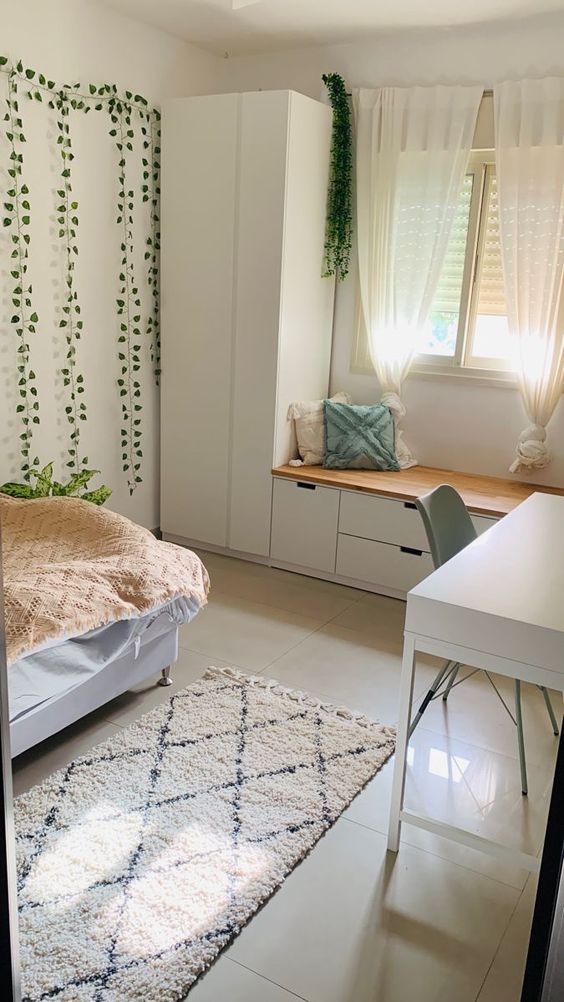
There is nothing more refreshing than plants. However, caring for indoor plants is very troublesome. Also, some indoor plants cannot be placed in areas that are not exposed to sunlight. Therefore, the solution is to use synthetic plants.

Decorate your whitewashed wall with refreshing greenery. Here, you can use synthetic vines. Install the vines so they stick out to the bottom of the wall. And, do it consistently on just one wall. If you want the vines to look more attractive in the room, then add string lights there.

13. Change The Look with String Light

string light
Cc: Pinterest

String lights are additional lights that also serve as decoration for the room. With proper installation, string lights can drastically change the appearance of your room.

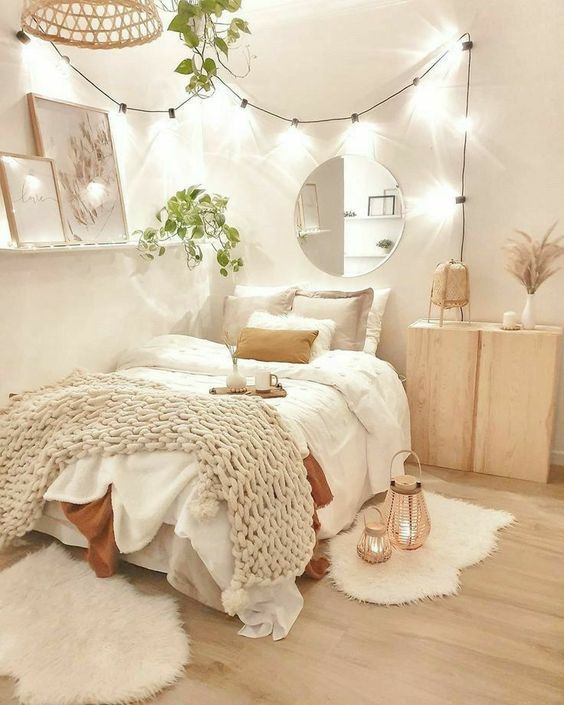
You can use string lights as decoration for your bedroom. Install this light in the area where the bed is located. This is the main spot in the bedroom so the string light can stand out here.

For lighting, adjust to your taste. However, we recommend using string lights with yellow lights. It can help create calm and warmth in the room. So, the bedroom not only looks beautiful but is also comfortable.

14. Pretty A Cactus Plant

cactus plant
Cc: Pinterest

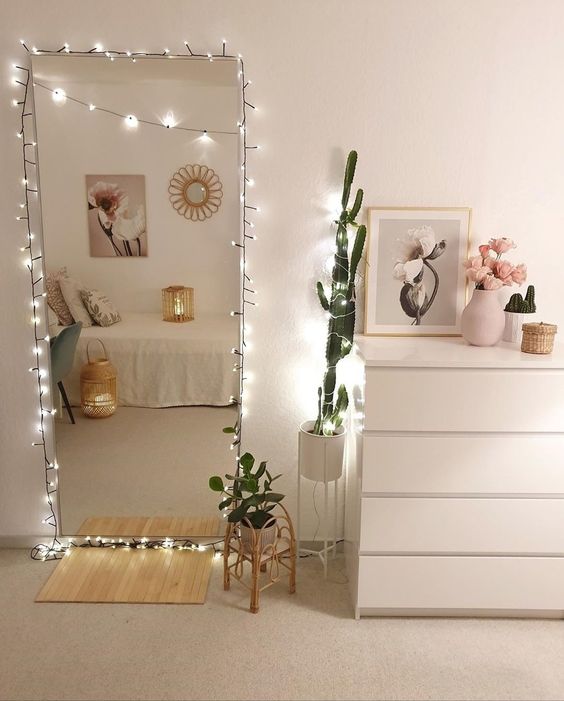
The long mirror looks great with the string light on each side. It makes the mirror brighter and stands out in the bedroom. Unfortunately, mirrors and string lights alone will look stiff there. So, additional decorations are needed to accompany the mirror. And, plants are the most appropriate.

The cactus plant can be placed right next to the mirror. You can also wrap the same light string around the cactus. It can give an aesthetic look to the room.

Besides beautifying the appearance of your room, the presence of cacti is also good for your health. Cacti can absorb harmful substances in the room, absorb radiation, and much more.

15. Beautiful Pink Turkey Carpet

turkey carpet
Cc: Pinterest

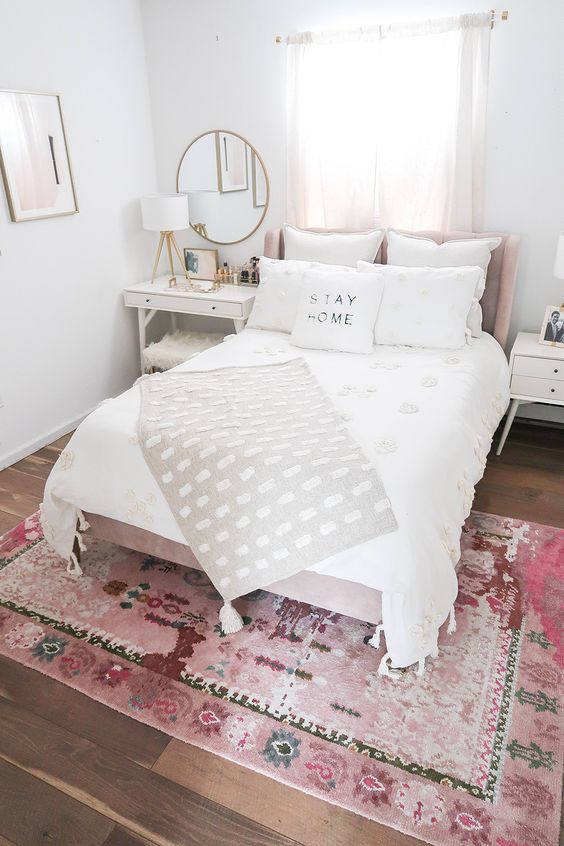
If you want to bring another color to the room yet make it look more feminine, then a pink turkey rug is a great decoration you can choose from. With a white concept bedroom, the pink color will stand out there. So, even though it is located at the bottom area of the room, the motif and pink color from the carpet will be seen very clearly. Its very simple appearance makes it suitable for all designs, especially minimalist and Boho designs.

16. Cat Paintings Look So Cute

cat paintings
Cc: Pinterest

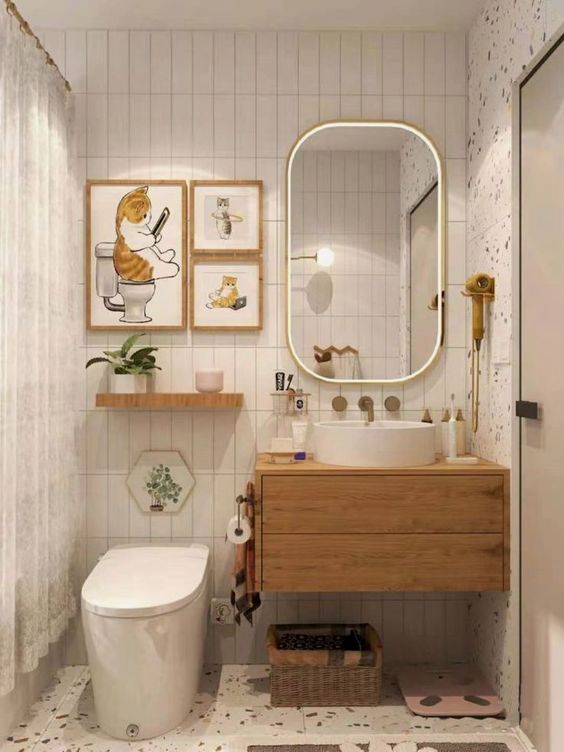
Even though it is an unexposed room, it does not mean you do not decorate the bathroom. Just like everything else, the bathroom must also be made to look attractive. In fact, the bathroom is the room that is most frequently used so its comfort must be carefully considered.

It is not difficult to beautify the appearance of the bathroom. You can rely on three painting paints with different sizes. Hang them on the wall adjacent to the vanity to make them stand out in the room. You can also add additional decorations such as a floating wall shelf to place refreshing small plants.

17. Colorful Shower Curtain

shower curtain
Cc: Pinterest

Make your bathroom feel alive by presenting a colorful look in one spot. Centralized application will not interfere with the concept of the room itself. So, you can install a colorful shower curtain in your bathroom. Let the shower curtain take over the attention of the room. So, you don’t need to bother decorating other areas. However, if you want a little freshness in your bathroom, then put a small plant on the table or vanity there.

18. Caddy Tray for Your Bathtub

caddy tray
Cc: Pinterest

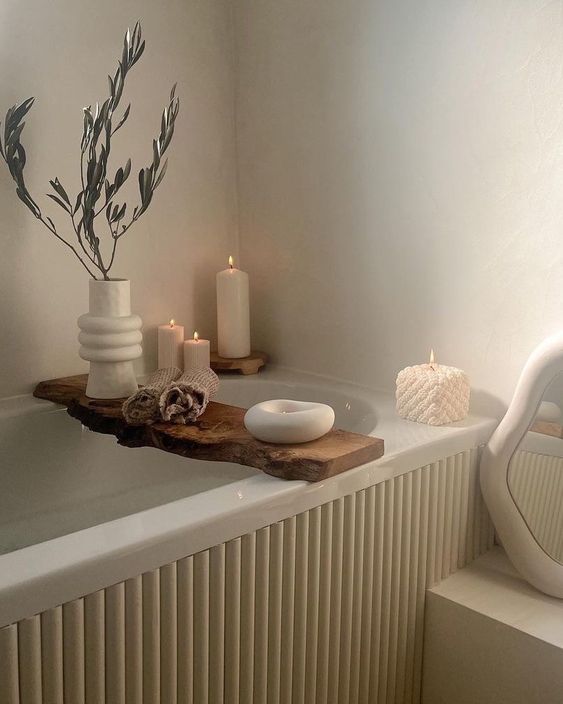
Soaking in warm water in the bathtub is very pleasant. This can stretch your tense muscles so that your body and mind will relax again. And, with this, the bathtub is the most important area in the bathroom. Make this area feel comfortable and look attractive by using a bath tray.

Actually, the bath tray is just a tool for storing several items. There, you can put aromatherapy candles which can make you calmer when soaking in the bathtub. Also, you can put your iPad there. Soaking while watching your favorite Netflix series will be more enjoyable.

19. Put Your Blanket on The Couch

blanket
Cc: Pinterest

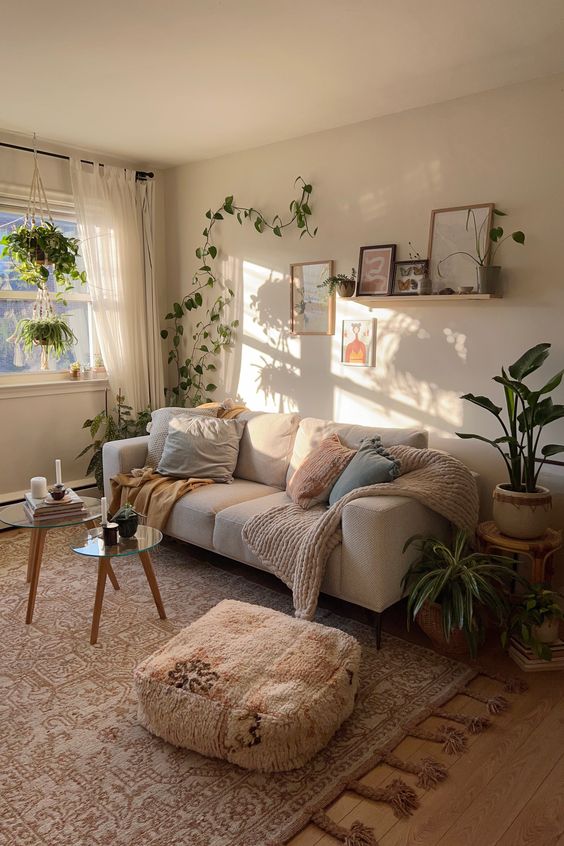
Throw pillows are actually enough to beautify the sofa in the living room. However, if you want a more different look, then make more effort. Take the blanket in your cupboard and put it on the sofa. Also pay attention to the placement position. Make the blanket look aesthetic there.

Besides beautifying the appearance, blankets can also increase comfort in the living room. With a blanket, you will feel warmer in this room during winter. So, relaxing in the living room while enjoying hot chocolate will be very enjoyable.

20. H-O-M-E Pictures for Kitchen

HOME pictures
Cc: Pinterest

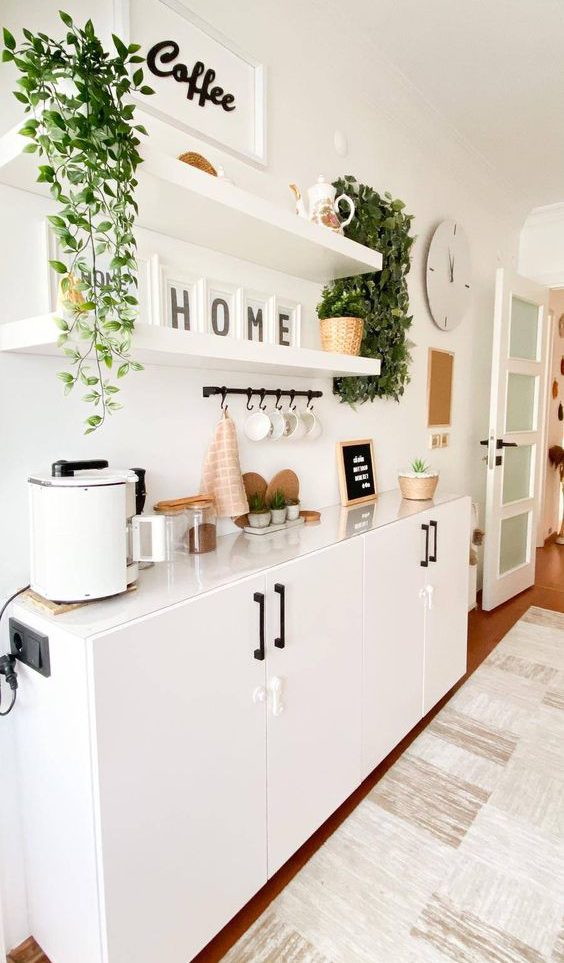
Tired of plants always being decorations in every room? So do it in a different way. You can keep the plant in the room. And, add additional decorations. You can try H-O-M-E pictures like the picture above to beautify your kitchen look. Due to its small size, use a frame with the same color as the wall, that is white. This method is also very effective for making the decoration blend with the interior of the room.

And, because of its small size, place this decoration in an area visible to the eye. You can put it on the floating wall shelf.

21. Rattan Pendant Lamp

rattan pendant lamp
Cc: Pinterest

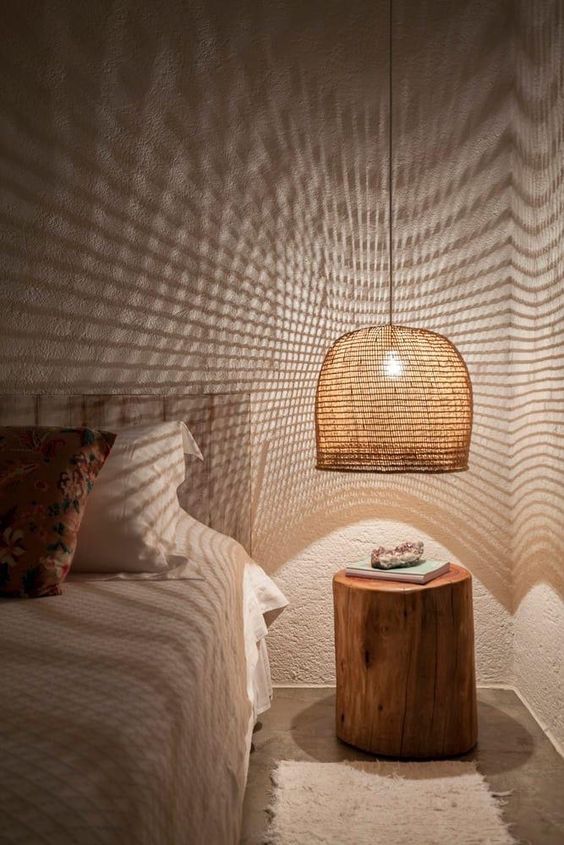
Make your bedroom more dramatic at night by using rattan pendant lamps. Hang this lamp right above the bedside table. It would be better if the bedside table you use is made of wood. So, the color and texture of the wood will blend with the rattan color so that the natural impression in the bedroom becomes bold.

You don’t need a special way to decorate your bedroom with the rattan pendant lamp. You only need to turn off the main light in the room and leave the rattan pendant lamp on. Then, look at the shadows of light coming out from between the rattans. It really changes the look of the bedroom drastically.

22. Hanging Plants for The Corner of The Room

hanging plants
Cc: Pinterest

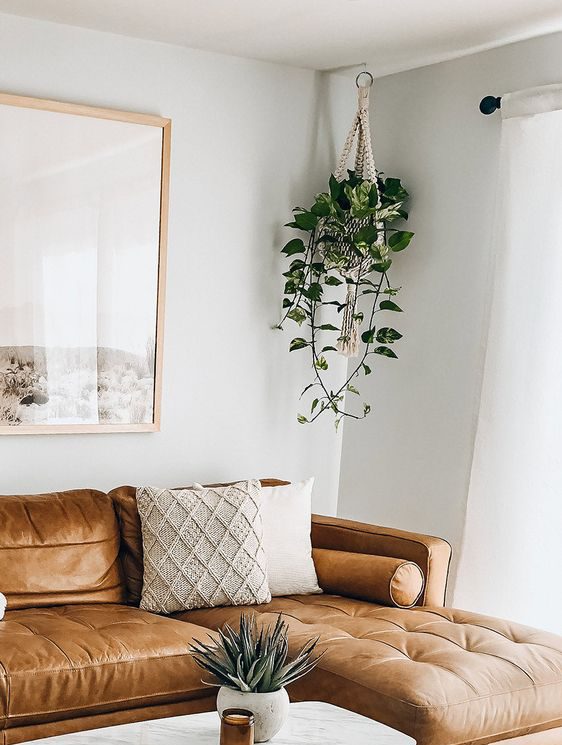
If there is no more space in the room, then use the upper areas such as walls and ceilings. You can make an empty corner of the room look fresh by just relying on hanging plants. It’s just that, indeed, you have to make sure whether the ceiling is strong enough to hang plants.

The leaves will become increasingly elongated and rise downwards. With this, you have to cut it regularly so that it does not disturb the comfort of the room. Also, occasionally take your plants outside and watering them and leave them exposed to sunlight, remembering that plants are living creatures that still need water and sunlight.

Final Words

Decorating a room is something you must do even if the room has a simple or minimalist concept. However, decorating cannot be done carelessly. The aim of the decoration itself is to make the room look beautiful so that the room feels comfortable. Therefore, decorate your room properly. The points above are 22 Best Decoration and Tips to Make Your Room Attractive that you can follow. When choosing room decoration, pay attention to the interior design, layout, and concept. That way, the decorations you use can blend with the room. So, good luck everyone!

Recent Posts

Posts You Might Like