

Home Blog Page 85

The Only Pool Landscaping Guide You’ll Ever Need

Having a swimming pool is a cherished dream for numerous homeowners. However, the aesthetics of the surrounding landscape are crucial in creating an exquisite oasis in your very own backyard. Pool landscaping goes beyond enhancing the visual appeal of your space; it encompasses functionality, safety, and seamlessly blending your pool with the overall home design for a unified and harmonious look. In this comprehensive guide to pool landscaping, we will delve into the intricate details and provide you with expert advice to transform your pool area into a captivating retreat that will leave a lasting impression on all who visit. Get ready to discover the secrets to creating a truly remarkable poolside paradise!

Start with Safety

Before you start envisioning your dreamy tropical oasis, safety should be your utmost priority, especially if you have young children or pets. It is crucial to ensure that you have a durable and secure fence around the pool area to prevent any accidents or mishaps. Don’t worry, Barrier Reef Pools, Australia’s leading fibreglass pool company, has got you covered with their range of fencing solutions that are not only designed to keep your loved ones safe but also add a touch of style to your poolside retreat. So, relax and enjoy the peace of mind knowing that you’ve created a safe haven for your family to enjoy endless moments of fun and relaxation.

Consider the Pool Type

The type of swimming pools geelong you have will significantly influence the landscaping possibilities. With fibreglass pools, known for their exceptional durability and design flexibility, you have a wide array of options to create a stunning outdoor oasis. Imagine lush greenery surrounding the pool, accentuated by elegant water features that add a touch of serenity to your space. Picture yourself relaxing in a tranquil oasis, with the sound of cascading water and the scent of blooming flowers filling the air. At Barrier Reef Pools, we offer a diverse range of meticulously crafted fibreglass pools that can be tailored to bring your unique landscaping vision to life. From small intimate gardens to grand outdoor retreats, the possibilities are endless when it comes to creating the perfect landscape to complement your fibreglass pool. Let your imagination run wild and let us turn your dreams into reality.

Choose the Right Plants

When selecting plants for your pool area, it’s crucial to choose species that have minimal leaf shedding tendencies. This precautionary measure will effectively minimise the risk of pool filter clogs, allowing for hassle-free maintenance. Moreover, it’s advisable to opt for plants that possess the capability to withstand splashes of pool water, which often contain chemicals. By thoughtfully considering these factors, you can curate a vibrant and effortlessly maintained poolside oasis that enhances the overall aesthetic appeal of your outdoor space. Additionally, incorporating a mix of evergreen plants and flowering varieties can add a delightful touch of colour and fragrance to your pool area, creating a truly enchanting ambience that you and your guests will relish.

Lighting and Furniture

Strategically placed lighting can create a captivating and enchanting mood at night, transforming your pool area into a magical oasis. Not only does it enhance the aesthetic appeal, but it also adds an extra layer of safety and security. Imagine the warm glow of the lights illuminating your patio furniture, poolside loungers, and the elegant shade structures like pergolas or umbrellas, creating a perfect ambiance for relaxation and enjoyment. With this thoughtful attention to detail, your pool area becomes a haven of tranquillity and sophistication, inviting you to unwind and bask in the beauty of your outdoor space.

Add Personal Touches

Consider adding unique features that reflect your personal style and create a truly one-of-a-kind pool oasis. Imagine the soothing sound of trickling water from elegant water features, the convenience of a poolside bar where you can enjoy refreshing beverages with friends and family, or the cosy warmth of a fire pit on cool evenings, creating the perfect ambiance for unforgettable gatherings. These additional touches will elevate your pool to an entertainment hotspot, ensuring that every moment spent by the poolside is filled with joy and relaxation.

Maintenance is Key

Once you have achieved your dream pool landscape, regular maintenance is crucial to keep your outdoor oasis looking its best. Regular cleaning, pruning of plants and checking the pool for pH levels, chemicals and filters should be part of your routine. If you have a fibreglass pool from Barrier Reef Pools, you’re in luck as their pools require less maintenance due to their non-porous surface. Regular pool maintenance not only ensures a clean and safe environment for your family but also extends the longevity of your pool. Remember, a well-maintained pool is always more inviting.

Enhance Poolside Comfort

To truly make your pool area a place for relaxation and enjoyment, consider adding elements that boost comfort. Luxury loungers, hammocks, or daybeds not only offer a place to sunbathe or read a book, but they also add an element of resort-style living right in your backyard. For those hot summer days, a poolside umbrella or a pergola can provide much-needed shade, while also serving as an attractive feature. If space permits, consider a poolside cabana, equipped with comfy furniture and perhaps even a mini-fridge. It’s all about creating a space that encourages relaxation and enjoyment, making every swim or pool party an event to remember.

In conclusion, creating the perfect pool landscape involves a delicate balance of aesthetics, safety, and functionality. It requires meticulous planning, taking into account the unique characteristics and limitations of the available space. But fret not, if this endeavour feels overwhelming, Barrier Reef Pools is here to lend a helping hand. With their extensive experience and expertise in fibreglass pool installation and landscaping, they can guide you through the process of transforming your backyard into a breathtaking, personalised oasis. Imagine lush greenery, carefully placed rocks, and the soothing sound of cascading water, all coming together to create a tranquil haven right in your own home. Contact Barrier Reef Pools today and let their team of professionals assist you in finding the perfect fibreglass pool for your family, tailored to your preferences and requirements. Don’t wait any longer to turn your backyard dreams into reality.


Custom Closets: A Luxury Design on a Budget

It would seem there would be little challenge to create a magnificent closet system if the budget and the space were limitless. Well, maybe the designer might find some difficulty filling such a massive amount of space – not likely.

While these systems present a fun day on the job, many times, a challenge is more interesting, making the designer think and anticipate the final outcome as much as the homeowner.

A reputed team like you’ll find at https://designerclosetguys.com/ will usually prefer the more difficult task.

What does that involve? Designing a budget-friendly custom system with a fraction of the space compared to the deluxe mansion with the “football field-sized” closet area – may be an exaggeration.

How do you go from a champagne budget with virtually no limitations to a beer budget with many restrictions? As a designer, challenges are your forte; it’s what you do. Let’s look at the tips and helpful suggestions the pros offer on making this custom closet design a reality.

Tips to Create a Custom-Closet Design on a Budget (and in Minimal Space)

Homeowners believe it’s virtually impossible to have the sort of dream closets seen in magazines or interior design programs when there’s a tight budget and limited closet space.

Fortunately, with expert, knowledgeable designers, a custom creation is possible even under these conditions. Go here for better closet design tricks.

Many designers, in fact, thrive with a challenging prospect and often get the homeowners involved, making a rewarding experience for them as well. What does it take to present a functional and lovely, organized, custom system? Let’s review a few tips to prepare the aesthetic.

  • A massive purge is the first step in the process

If you have a wild wardrobe full of clothing, shoes, and massive clutter that doesn’t necessarily belong in a clothing closet, it’s vital to begin paring down. The first step is removing items that don’t belong there and moving them to a more proper location.

Anything worn to pieces with holes or pilling should be tossed out when removing clothing and shoes. Clothing that hasn’t been worn in over three months or more should be donated, as should any items that don’t fit and haven’t for some time. Embrace who you are and love yourself in the skin you’re in.

For clothes that were once trending but have gone out, look for local retro retailers who might be interested in purchasing the items. Once you’ve maximized your closet space with a core wardrobe, eventually, the hangers will be placed back in the closet backward.

This way, you can pare it down further by recognizing which hangers are still backward in roughly three months’ time. These are clothes you are still uninterested in; take those out for donation.

When you buy pieces, permanently remove something to keep the wardrobe to a minimum. You’ll be branching out from a neutral focal wardrobe.

  • View a 3D model of the closet design

We can only envision what something will genuinely look like if we experience it in 3D composition. Viewing it in 2D is not how our brains work, making it difficult to interpret. The closet that you wish for needs to take full advantage of the current space you have available.

Drawers can be added to accommodate more storage, an added row for hanging instead of merely one, adding accessories for scarves, hats, and belts, plus pull-out rods.

You will only comprehend the utility of it if you see the functionality in 3D. Request a model before committing to the system. Find custom closet designs at https://www.thespruce.com/custom-closet-designs-5089127.

  • Natural and artificial light will make the space more inviting

No one wants to go into a space that’s dark and difficult to maneuver. How can you see the items to select a suitable outfit or accessories without sufficient lighting? It’s uninviting and can cause a wardrobe slip – go to the office with two different shoes.

When designing a custom closet on a budget, you can still add some lighting to brighten the space in a few different ways. If adding a privacy window is above your price point, you can get away without natural lighting by adding artificial variants.

If your closet is a walk-in, you can choose a small chandelier, but if it’s standard, you can select recessed fixtures or LED-enclosed lighting. These add more light but at a lower price.

To make the space appear even brighter, you should make the closet surfaces white. A laminate will be the most cost-efficient. If white is not your favored choice, you can also go for a pale gray or bone color.

Any of these will reflect the lighting at budget-friendly costs, albeit presenting a stylish appearance.

Final Thought

It can be fun to peruse the massive luxury closets of those who live in large estates or mansions. While these are not practical for the average person’s life, it’s still possible to take ideas from them that you can incorporate into your budget-friendly custom design.

Part of the reason many standard closets look overcrowded and too small is that people hold onto items they don’t use or store items in the closet that don’t belong there. When you pare the space down and add adequate storage – for clothing, it will feel luxurious.

Plus, light up the space to make it bright and inviting, with no dark areas. A significant part of opulence is brilliance, which comes from artificial or natural light. No matter what size your closet is, lighting is an easy addition.

10 Tips to a Perfect Chicken Coop: A Fusion of Function & Aesthetics

Building a chicken coop may be one of the top items on your to-do list if you plan to raise a flock of chickens. A stereotypical image of a chicken coop consists of a mini house-like structure made of weathered wood. However, the sight of a chicken coop in the center of your backyard could disrupt the visual appeal and potentially spoil the overall look of your garden.

Yet, there’s no rule stating your chicken coop has to adhere to traditional designs. Designing a coop that perfectly balances practicality and style is possible. But before giving you insightful tips for backyard aesthetics, it’s essential to grasp the basics of designing a chicken coop.

Parts of a Chicken Coop

What’s in a chicken coop, anyway? A chicken coop has five basic components, each serving a purpose in ensuring your chickens’ comfort and helping you manage maintenance work better.

Roof

The roof of the chicken coop protects your flock from exposure to extreme weather conditions such as heavy rain or hot sunlight. You can choose from various materials, such as plastic or metal roofing.

Walls

The walls also protect your flock from harsh elements such as strong winds. You can build walls using wood, plastic, or metal.

Flooring

The flooring serves as the base for your chicken coop. As with the roof and walls, there are several options for choosing the flooring. Most chicken coop builders choose materials that are easy to clean and maintain, such as plywood, linoleum, and concrete. You can add bedding such as straw and paper on top of the floor to cushion the chickens.

Nesting Box

A nesting box provides a place for hens to lay their eggs. Hens prefer to lay their eggs in dark and secluded areas with comfortable bedding, so aim to simulate these conditions when building a nesting box.

Roosts

Photo by Zoe Schaeffer on Unsplash

Chickens instinctively sleep on high ground to ensure survival in the wild. Roosts are bars installed above the ground where your chickens can perch to sleep. Typically, builders install roosts at least 18 inches above the ground or the chicken coop floor.

Optional: Chicken Coop Run

Photo by Annie Williams on Unsplash

Depending on the available space, you may also want to attach a chicken coop run. As the name suggests, a chicken coop run is an enclosed space that allows chickens to run about. Runs are usually enclosed with chicken wire screens to shield against predators such as birds of prey and coyotes.

Factors to Consider in Chicken Coop Design

Aside from its basic components, there are other factors you should consider in designing a chicken coop.

Space

In building your chicken coop, you need to have ample space to raise healthy and happy chickens. A tightly packed chicken coop can accelerate the transfer of disease-causing bacteria and viruses. Overcrowding can also exert mental stress on your chickens, which leads to the development of bad habits such as egg eating and bullying.

Ventilation

Proper ventilation helps maintain the temperature inside the coop, control moisture and odor, prevent disease, and offer comfort and productivity.

Chickens produce a lot of moisture through their respiration and droppings. Poorly ventilated coop can lead to dampness and condensation, which encourages mold growth and can lead to respiratory issues in chickens.

A well-ventilated coop ensures a cleaner and healthier environment, reducing the chance of disease transmission and odor from stale and foul-smelling air. It helps to circulate fresh air and carry away harmful gases like ammonia from chicken droppings.

Temperature

Chickens thrive well when living in temperatures between 60 to 75 degrees Fahrenheit. Thus, building a chicken coop that can maintain these conditions regardless of the external temperature is essential.

Tips to Design the Perfect Chicken Coop

Once you have all the basic components and factors, it’s time to design the perfect chicken coop. Below are some tips you can follow.

Tip #1: Paint Your Coop

Who says chicken coops have to be boring? Painting is an easy way to inject personality into the structure. You can have it match your backyard’s aesthetic or make it stand out. Some novel ideas include painting your coop red and white to mimic a barn or pastel colors for a softer overall look.

Aside from beautifying your coop, paint has the added benefit of protecting it and making it easier to clean. Applying paint on the wooden walls of the coop serves as a protective measure to deter the infestation of wood-boring insects.

You can also paint the chicken coop interior with limewash to brighten it and protect the walls from burrowing insects. Plus, it’s non-toxic for chickens. Be sure to reapply the whitewash annually to maintain its color.

Tip #2: Match Your Home’s Design

You can take inspiration from many architectural styles when designing your chicken coop. You can even match the style of your home! You can also adopt the same level of durability and functionality in your materials and construction methods to give your chickens a comfortable home.

Tip #3: Increase Ceiling Height

Photo by cottonbro studio from Pexels

Consider designing a chicken coop with a taller ceiling height. A taller height prevents overcrowding by providing more vertical space for your chickens. It also improves air circulation within the chicken coop. Extend the ceiling height to accommodate a standing person, making egg harvesting and coop cleaning more convenient.

Tip #4: Incorporate Greenery

Another way to beautify your chicken coop is to surround it with greenery. Aside from improving the coop’s looks, adding greenery offers several benefits. Taller plants can serve as shade during hot days. Certain crops can also encourage your flock to forage and supplement their diet. Planting herbs near your coop can also help your cage look and smell great. Some plants also help potentially deter predators from approaching.

Tip #5: Install Waterproof Flooring

Waterproofing your chicken coop floor protects the material from deterioration and lets you clean the floor quickly. An excellent waterproofing material is linoleum. It is easy to purchase and install in your chicken coop. Plus, there are many beautiful patterns available for you to choose from!

Tip #6: Embellish the Coop’s Interior and Exterior

Embellish your chicken coop with decorative pieces such as artwork and mirrors. These give your chickens something to explore, especially when stuck inside the pen. You can also install decorative outdoor thermometers, which beautify the space while letting you monitor the temperature inside the coop.

Tip #7: Add Ambient Lighting

Ambient lighting is a surefire way to elevate any space, including your chicken coop. It can also stimulate your hens’ reproductive system and increase the chance of egg laying, especially during dark winter months. Be sure to turn off the light during roosting time to help your flock get a good night’s rest. Additionally, supplemental light is extra helpful for the baby chicks residing in a section of your coop since it keeps them warm and helps them find food and water.

Tip #8: Attach Wheels

Attach wheels to your chicken coop to create a chicken tractor. A moveable coop allows your chickens to access fresh grass and lets them explore more.

Tip #9: Use Recycled Materials

For a more sustainable approach to building your chicken coop, consider using recycled materials such as wooden pallets or recycled wood. Alternatively, you can repurpose old structures, such as sheds or playhouses, which provide a stable base for your chicken coop.

Tip #10: Install Skylights or Roof Vents

Install skylights or roof vents in your chicken coop to improve air circulation, regulate humidity, and increase brightness. You can also incorporate fun designs, such as domes with rooster-shaped weathervanes on top.

Skylights can contribute to adding ventilation, especially if they’re designed to open and close. When opened, they allow warm air to escape, enhancing air circulation. However, it’s worth noting that while skylights can contribute to ventilation, there may need to be a sufficient source of ventilation in a chicken coop, given the high moisture and ammonia produced by chickens. Additional ventilation methods are typically necessary.

Conclusion

Building a chicken coop is essential for chicken raisers. Though the traditional stereotype of a chicken coop can clash with your garden’s aesthetics, you can design one that exudes functionality and style by following the recommended tips.

Pay attention to the design details that will enhance the coop’s style without compromising functionality. Remember, a chicken coop serves to house your chickens and provide a safe, comfortable, and healthy environment for them. Striking a balance between functionality and style in your chicken coop design will maximize your chickens’ well-being and accentuate your garden’s aesthetic appeal.

Turning Tiny Spaces into Green Paradises: Expert Design Tricks for Small Gardens

Life in the suburbs, especially in Australia with its varied climate, offers a unique charm. Homeowners often find themselves with small outdoor spaces that are begging to be turned into something special. Despite their miniature size, these pockets of land could exude an irresistible allure if adorned with the right elements of design.

However, designing small gardens often presents a maze of challenges. Tricky dimensions, varying sunlight exposures and diverse soil conditions often leave the average Australian homeowner scratching their head in confusion. Fear not! When armed with expert design tricks, any tiny space can blossom into a lush, green paradise.

Let’s plunge into the world of small gardens, exploring how understanding your space to choose the right plants can transform small yards into jaw-dropping retreats.

Understanding the Space You Have

A journey of a thousand miles begins with a single step, or in the case of small gardens, it begins with measuring your space righteously. Whether it’s a cramped patio or a narrow balcony, knowing its structure aids in better design.

Importantly, the Australian weather, known for its fickleness, plays a pivotal role in your garden. A flower that basks in the sun in Adelaide might wither in Queensland’s humidity. It’s critical to understand your local microclimate to select plants that’ll thrive.

Keep an eye out, or rather, a keen understanding of your garden’s lights and shadows. Some plants might sigh in relief under the shade, while others could be sun-seekers. Moreover, checking your soil type aids in matching it with the best-suited plants.

Choosing the Right Plants for Your Small Garden

It’s not always size, but the maturity of your plants that can turn your garden into a crowded mess or a thoughtfully laid out haven. Picking plants with smaller mature dimensions keeps your garden from becoming an untamed jungle.

In the vast Australian flora, you’ll find a profusion of low maintenance plants that grow like a dream in small spaces. From ground covers like “Woolly Grevillea” to shrubs like “Dwarf Banksias”, they are just waiting to adorn your garden.

If you’re aiming for a visual treat, try to play around with colour schemes. Light-coloured flowers can make your small garden appear larger, while vibrant colours add an element of whimsy surprise. Don’t forget to add some privacy with natural screens; slender bamboo or tall grasses can do the trick.

Smart Use of Vertical and Horizontal Spaces

When space is a constraint, look up and see a world of opportunities for vertical gardening. A simple trellis for climbing plants like “Star Jasmine” can scale walls, adding a hint of mystery to your small garden. On the ground, layering plants ensure every spot is utilised, leaving no area bare.

Potted plants bring in flexibility and diversity to your garden. They can be moved around, creating a dynamic ever-changing scene. When played right, successive flowering plants can keep your garden blooming all year round.

Functional Features That Enhance Small Gardens

Mirrors can work their illusion magic even in your garden, creating a sense of extended space. Adding water features, although small, enhances aesthetic appeal and soothes with their tranquil sound.

Even the smallest gardens can house a little seating arrangement, perhaps a petite patio set or a narrow bench. This gives you a functional space to sit back and enjoy the fruits of your labour. A touch of creative lighting breathes life into your garden, making it a delightful treat even after the sun goes down.

Making the Transition: Practical Advice to Go Green

Embarking on your gardening journey? Turning that compact space into a lush, green haven isn’t just a dream. With a little ingenuity, you can transform even the tiniest of spaces into a verdant paradise.

1. Begin with a Clean Slate:

Before you dive in, take a step back. Starting with decluttering is akin to setting the stage. Removing any unnecessary items and sweeping the area gives you a clear picture of the potential your space holds. With a blank canvas, you can truly envision your garden’s layout.

2. Plot with Precision:

Sketch out a plan. Even if you’re no Picasso, a simple drawing can make a world of difference. Map out where the sunlight hits, where shadows linger, and which areas need special attention. From the statuesque plants that command attention to the delicate, understated blooms, know where each one belongs. As the old saying goes, “There’s a place for everything, and everything in its place.”

3. Capitalise on Every Inch:

In a small garden, wasted space is a missed opportunity. Think vertically! Walls, fences, and even hanging pots can be game-changers. Also, consider multi-purpose furniture or planters that can offer storage or seating solutions, ensuring every nook and cranny serves a purpose.

4. Be Prepared for Challenges:

It’s not always smooth sailing on the path to green glory. You might face challenges: temperamental soils refusing to cooperate, unpredictable weather playing spoilsport, or unwanted pests treating your garden like a buffet. But remember, every garden, big or small, has its share of challenges. Arm yourself with knowledge. Research common pests and diseases in your area, and be proactive. With timely intervention, persistence, and a little TLC, most garden hurdles can be navigated.

5. Celebrate the Small Wins:

It’s not just about the end game. Celebrate the little moments: the first bud, the first bird visiting, or even the first successful compost. Every small win is a step towards your green paradise.

Conclusion

From humble beginnings, small spaces at home can be turned into spectacular green paradises with a dash of creativity, thought out planning, and effective design. With these expert design tricks up your sleeve, you can make the smallest of yards a testament to beauty and serenity.

With every flower that blossoms, every vine that climbs, the shared wisdom covered here will bloom in that personal retreat you desire. As an Aussie homeowner, take the plunge into your own garden adventure. Here’s your chance to fashion a green retreat at home that’ll be the envy of the neighbourhood! Happy gardening!

Choosing The Right Plumber

What specialization in residential plumbing does your task need? Tradespeople vary widely; many specialize in their particular field. Some plumbing professionals like to install new pipes, as might be necessary in a construction project, whereas other plumbers choose to concentrate their customer base on maintenance calls (such as snaking drains or unplugging a toilet).

In nearly all states, a plumber must have a license, and depending on their degree of experience, they are granted several titles. Master and journeymen plumbers possess the greatest experience. Master plumbing professionals are far more inclined to own their business, even if journeymen frequently work there. Make sure you get the right plumbers for the task.

How to Choose the Right Local Plumbing Service

Although the specialties and degrees of experience of plumbers vary, most skilled artisans have several characteristics.

Insurance and Registration

Being licensed and properly insured protects the homeowner as well as the business. A certified plumbing provider will list their contact information, usually on their website.

Look at National 1 Plumbing as an example of the accreditation to check out. If a plumber is focused on keeping their business viable, they will be sure to always work with fully licensed and insured contractors.

After requesting evidence of insurance, check to see if the requirements are being adhered to by calling the business. You may check your state’s website to see whether your prospective plumber has a license.

Warranty

A trustworthy tradesperson will guarantee the work they have completed. A plumber should have familiarity with the manufacturer’s warranty for each piece of equipment they purchase and install and protect it with an individual labor warranty. A workmanship warranty will differ depending on the job.

References

Ask the plumber for some references from previous jobs. They’ll surely provide you a list of devoted followers, but you would be wise to keep calling them. Ask some of the following questions:

  • What specialization work was done for you by plumber X?
  • The company communicated as agreed?
  • Would you hire the plumbing company again?

The answers to those questions will reveal whether you are dealing with a company that values your patronage.

Participation in a group or the community

This is important yet frequently ignored. For small companies to last a long time, their communities must support them. Look for businesses that belong to trade organizations like the NAHB (National Association of Home Builders), or ICC (International Code Council). Click here for more information on these organizations and how they can help you.

Community organizations like your local BBB or Chambers of Commerce are also excellent places to start your search. When a company gives back to the community, it is more probable that they have worked hard to earn their reputation rather than acquiring it via slick marketing.

Hard Skills

On the telephone and in person, were they friendly? Did they wear shoe covers, show courtesy for your home, and park in the designated area? You can be sure that if they take a chance to pay notice to the tiny things during your early contacts, they will accomplish the job you have hired them to do.

Every member of the plumbing crew should be well suited to working indoors, cleaning up after themselves, and ensuring that they keep the inconvenience to the homeowner to a minimum wherever possible. Such as, before they turn off the water at the main, they should check and ensure that no machinery in the house is in the middle of a fill cycle, or that nobody is in the shower.

If they cannot handle your business in a courteous and professional manner, then you should look elsewhere. There are plenty of plumbing companies who will respect your home and property while they perform the job for you. You don’t have to settle for a subpar company in order to get the job done.

Plumbers Near You

You can find whatever you would need with a short online search, right? However, the businesses that appear at the top aren’t usually the greatest; rather, they are just astute digital marketers. A business may excel at both plumbing and digital marketing.

The easiest approach to discover a reputable plumber is to ask trusted relatives and friends for a personal recommendation. A local Facebook page or the Nextdoor platform group is almost as effective.

Online reference services like HomeAdvisor can be helpful as well, but bear in mind that you’ll need to confirm their screening procedure and exercise a bit more caution. A huge advertising budget isn’t necessarily a guarantee of quality, and those marketing dollars have to originate from someplace, so the cost is most likely a little bit more than a contractor whose company exclusively comes from word-of-mouth referrals.

Finally, print advertisements or TV ads may surely make you aware of a firm.

The Appropriate Plumber for the Task

After researching every possible source, you are prepared to speak with a few plumbers regarding your project. You are responsible for planning ahead and determining what matters to you.

It is not required to call nine to ten businesses; instead, choose a couple of them that you believe would satisfy your needs. If the first set of calls leaves you unsatisfied, try again with a couple more.

Before choosing a plumber, ask them all the same questions and then contrast their responses. You may add more, but these will get you going:

  • Do you focus more on installation or service?
  • Have you ever worked on a project of this nature?
  • Do you offer a warranty on the work?
  • Is permission required for this?
  • Which organizations or social organizations do you belong to?
  • How long (roughly) will this project take?
  • If the job takes longer or costs more, will I be notified?

Communication

Even with a qualified plumber, effective communication is essential to a job well done. Try your best to convey expectations, the budget, changes, and worries in a clear and concise manner throughout the course of the project. Every project has the potential for unforeseen events or blunders; effective communication will make sure that everything goes as smoothly as possible.

How To Reduce Stress When Moving to Sacramento With Kids

Moving with kids can be stressful, especially for the kids. You’ll have to explain the matter to them very carefully. But then, you’ll still have to answer the numerous questions that the kids would ask. Also, when moving to Sacramento, there’s the challenge of having to help them adjust to the new environment, school, and the property that they’re going to call their new home.

In this article, we will be giving you tips on how to reduce stress when moving with kids, plus we will also give you some tips on how to find cheap movers in your area.

Preparing Your Children for the Move

Before discussing how to reduce stress when moving with kids, it is important for you to know how to prepare your children for the move.

Preparing a child for the move depends on how young the child is. Younger kids tend to be easier to prepare for the move since they are easier to subdue, and they still don’t have friends or school to adjust to yet.

Tell Them About the Move Right Away

The first thing you need to do is to tell them about the move right away. This way, you will have time to prepare them for the move, and this way, you can give them the chance to say goodbye to their friends in the neighborhood.

Furthermore, letting them know about the move right away will also help you gauge their reaction and know if they are excited or terrified by the move.

Excitement usually comes from the younger kids while most of the time, the older kids will often find it terrifying because it will be a new environment for them, and they will have to adjust to new friends and the new school.

Explain Thoroughly

The next step in preparing your kids for your big move is to explain why you need to move. Make sure that you don’t just tell them about the move. You will have to explain it to them, detail by detail.

This way, they will be able to come to terms with the how’s, when’s, and why’s of the move, which will in turn make it easier for them to accept it and will also help the kids adjust.

Moreover, explaining things to them properly might remove this from one of their most stressful life events, making it one that gives them more excitement and cheer.

Introduce Them to the New Environment

The next step is to take them to their new hometown or new house. This will also trigger excitement and will help you gauge if your children are interested or excited about the new house or place.

In addition to this, introducing them to the new city or place often gives them a chance to see their new room, which often excites most children since this means that they will have a new ambiance and space to move into.

Let Them Pack Their Valuables

Another tip to make it easier for your kids to accept the move easily is to let them pack things that are valuable or precious to them.

Yes, it might be tempting to clear everything when packing, but it is most advisable to leave your kids’ most loved things like their favorite blankets, toys, and other belongings where they can see them.

The best advice is to let them pack those things themselves. By leaving those things where they can see them, you can let them enjoy their old life while preparing to build a new one in a new neighborhood.

Maintain Normal Family Routines

This is one of the most important parts of preparing your kids for their new life in a new environment. You must make sure to still leave room for the old one so that the change won’t be too drastic for them.

Maintaining your family routines will help your children carefully transition into a new home and new life. This will also help them understand that you’re only moving and that nothing else will change, making the move less scary for them.

Let Them Have Fun on the Moving Day

The moving day can be very stressful for most children but, it doesn’t have to be for your kids. You can make the moving day easier and more fun for them by sending them with their grandparents or giving them projects and tasks to do during the special day.

Doing this will help them find moving more fun and will take their minds off from the pressure and the strain that usually comes with it. This will also buy you some time to do more important things and focus on more important tasks of moving, especially on searching for a reliable moving company in Sacramento, so it’s a win-win situation.

Let Them Decorate

You can use the products of your little projects during the moving day for decorating your kids’ rooms. Or, you can go ahead and do some shopping beforehand or after you’ve let them visit the new place and let them decide how they’d want to decorate their new space.

This will help your child adapt to the new room or environment and will also make moving with kids feel easy for you and your family. Also, this can promote fun and bonding moments for you and your family.

While doing so, you can prepare your phones and record the whole decorating process to get a memento for when they grow up.

Food

There’s nothing more enticing for kids than food and treats that they love. During the moving day, it can also be a great idea to bribe your kids with some delicious treats or their favorite food to capture their attention and take their minds off from the actual moving process.

Doing this will not only help you make moving with kids a lot easier but will also help you and your kids’ bond over food. Just be careful and mindful that they don’t get that ice cream all over the furniture you’re about to move!

Be Patient

Moving can not only be stressful for you but it can also be an incredibly stressful and emotional experience for your children. This is why you must be very patient and always choose your battles whenever they throw tantrums.

Always keep in mind that these are children you’re dealing with, and they won’t always be able to understand the situation or circumstances you’re in so be sure to always be ready to extend your patience when speaking to them.

Be Positive

Always exhibit a positive attitude when moving with kids. This is one of the keys to keeping your patience intact and avoiding any arguments with them when moving.

Keeping a positive attitude will help boost your kids’ move and will also help them see the whole moving process in a more positive light.

Always remember that kids tend to mimic what you’re doing and how you’re feeling and so it is important to keep a positive attitude and demeanor when moving with them.

Removing The Stress Off of Moving with Kids

Now that you know how you can reduce the stress of moving with kids, it is safe to assume that you’re more than ready to get moving!

Moving to Sacramento with kids can be very stressful not only for parents but especially for the children as it requires a lot of adjustments and understanding for both sides. But you can remove the stress of the whole moving process with your family by working together and maintaining a positive attitude. The best way to lessen stress is to simplify your move by working with reliable and professional movers in Sacramento.

Always keep in mind that you are moving with kids and that requires more attention and patience. You should also be mindful of your actions and your mood during the whole process since kids tend to adapt and feel how you’re feeling based on the way you act during that day.

So, if you’re stressed, then it will make them feel stressed. We know that it’s not easy but keep in mind that with positivity and the best movers in town, everything is doable!

Everything You Need To Know About Cleaning An Above Ground Pool

Maintaining the hygiene of an above ground pool is of utmost importance to ensure optimal water quality and prevent the growth of algae or harmful bacteria. Regular cleaning, including skimming the surface for debris and vacuuming the pool floor, is essential. Additionally, it is crucial to use a reliable pool filter and regularly test the water chemistry to maintain a clean and safe swimming environment.

To make this task less daunting, consider investing in practical tools such as a fine-mesh pool net for efficient debris removal, a high-quality vacuum cleaner specifically designed for pool cleaning, and a comprehensive water testing kit to accurately monitor the chemical balance. By consistently implementing these practices, you can ensure that your pool remains hygienic, crystal clear, and ready for enjoyable swimming experiences.

Pool Cleaning Equipment

First and foremost, it is of utmost importance to have a comprehensive understanding of the essential equipment required for pool maintenance. Among these indispensable tools are the pool skimmer, vacuum, and brush. The pool skimmer diligently collects any debris that may be floating on the surface of the water, such as fallen leaves or pesky insects. Meanwhile, the pool vacuum diligently cleans the pool floor, effectively removing any dirt or minuscule particles that may have accumulated. Lastly, the pool brush serves as a valuable asset when it comes to scrubbing the pool walls, ensuring the removal of any unsightly algae or stubborn stains. By possessing a thorough knowledge of these vital tools and their respective functions, you can confidently embark on the journey of maintaining a pristine and inviting pool environment.

Regular Skimming and Vacuuming

To maintain a pristine pool from barrier reef pools perth, it is crucial to make cleaning a regular part of your routine. Start by skimming the pool daily to swiftly remove any floating debris and prevent it from sinking to the bottom. This simple step helps to keep the water clear and inviting.

Additionally, dedicate at least once a week to vacuuming the pool floor to ensure its cleanliness. Imagine it as vacuuming a carpet — move slowly and deliberately, covering all areas thoroughly. Allow the vacuum to do its job by picking up every little piece of debris, leaving your pool floor spotless and ready for a refreshing dip. By giving attention to these details, you can enjoy a sparkling clean pool all season long.

Brushing the Pool Walls

Regularly brushing the walls and floor of the pool is a crucial step in maintaining its cleanliness and preventing the growth of algae. By diligently performing this task at least once a week, you can ensure that your pool remains crystal clear and inviting for all swimmers.

To effectively clean an above ground pool, start from the shallow end and gradually work your way towards the deep end. As you brush, use firm brush strokes to dislodge any debris that may have accumulated. Pay close attention to the corners and crevices where algae and dirt can hide.

Additionally, consider using a pool brush with nylon bristles, as they are more effective in removing stubborn stains. Don’t forget to brush the debris towards the pool drain for easy removal and optimal cleaning results.

By taking the time to thoroughly brush your pool, you not only maintain its aesthetic appeal but also ensure a healthy swimming environment for everyone to enjoy. So, make pool brushing a part of your regular maintenance routine and experience the joy of diving into a perfectly clean and inviting pool.

Pool Chemicals

Maintaining a correct chemical balance in your pool is of utmost importance to ensure the safety and clarity of the water. It is crucial to regularly test the water to monitor various levels, including chlorine (a disinfectant), pH (an indicator of acidity/alkalinity), and alkalinity (a pH buffer).

By adjusting these levels as necessary with the appropriate pool chemicals, following the manufacturer’s instructions, you can effectively maintain a clean and well-balanced pool environment for all to enjoy. This will help prevent the growth of harmful bacteria and algae, and ensure that the water remains clear and inviting.

Additionally, it is worth noting that the correct chemical balance not only promotes water safety, but also extends the lifespan of your pool equipment. When the water is properly balanced, it reduces the risk of corrosion and scale formation, which can cause damage to your pool’s surfaces and equipment.

Pool Filter Maintenance

The pool filter plays a crucial role in maintaining the cleanliness of the water. It acts as a diligent guardian, diligently working to remove debris, dirt, and impurities, ensuring that your pool water remains crystal clear, inviting, and free from any unwanted particles. Whether it’s fallen leaves, tiny bugs, or even the finest of dust particles, the filter diligently captures them all, leaving your pool water sparkling and pristine.

To ensure the optimal efficiency of your pool filter, it is essential to regularly check and clean it. By dedicating a little time to this maintenance task, you can ensure that your filter is always operating at its best, maximising its effectiveness in keeping your pool water clean and inviting. The frequency of cleaning may vary depending on the type of filter you have – whether it’s a sand filter, a cartridge filter, or a diatomaceous earth filter – as well as the level of pool usage. It is recommended to consult the manufacturer’s guidelines for specific cleaning recommendations.

By giving proper attention to your pool filter’s maintenance, you can enjoy a consistently clean and refreshing swimming experience. So, dive in with confidence, knowing that your pool filter is diligently working behind the scenes to keep your pool water in its optimal condition.

Professional Help

While regular cleaning can be done yourself, it is worth considering professional assistance for more complex tasks, such as repairing the pool liner or effectively managing persistent algae problems. Engaging the expertise of a professional can not only extend the lifespan of your pool but also proactively prevent potential issues, ensuring a hassle-free and enjoyable swimming experience for years to come.

In conclusion, the maintenance of an above ground pool demands diligent effort and attention. However, the satisfaction derived from having a clean, safe pool to cool off and relax in on hot summer days makes every ounce of exertion worthwhile. By regularly upkeeping and consistently monitoring the pool’s condition, you can guarantee its longevity and provide a secure environment for everyone to enjoy. Remember, a well-maintained pool not only enhances your leisure time but also adds value to your property, making it a wise investment for long-term enjoyment.

DIY End of Lease Cleaning: Tricks, Techniques, and Essential Cleaning Agents

Introduction

Moving out of a rented property can be both exciting and nerve-wracking. One of the most crucial tasks on your checklist is the end-of-lease cleaning. Performing a thorough and effective cleaning not only ensures that you leave the property in excellent condition but also increases your chances of getting your full bond money back. In this article, we’ll explore some DIY end of lease cleaning tricks, techniques, and essential cleaning agents to help you achieve a spotless result.


  • DIY Cleaning Tricks and Techniques

Create a Cleaning Plan: Start by creating a comprehensive cleaning plan. Divide the property into areas such as the kitchen, bathrooms, bedrooms, and living spaces. Having a clear plan will keep you organized and ensure that no corner is overlooked.

Top-to-Bottom Cleaning: Always clean from top to bottom. This prevents dirt and dust from falling onto areas you’ve already cleaned. Start with ceilings, light fixtures, and vents, and work your way down to floors.

Declutter First: Before you dive into cleaning, declutter your space. Remove any personal belongings and unnecessary items to access every area easily.

Gather Your Supplies: Gather all the necessary cleaning supplies and tools before you start. This includes microfiber cloths, scrub brushes, a vacuum cleaner, mop, buckets, and cleaning solutions.

Focus on High-Traffic Areas: Concentrate your efforts on high-traffic areas like the kitchen and bathrooms. These areas often require more attention due to grease, grime, and soap scum buildup.

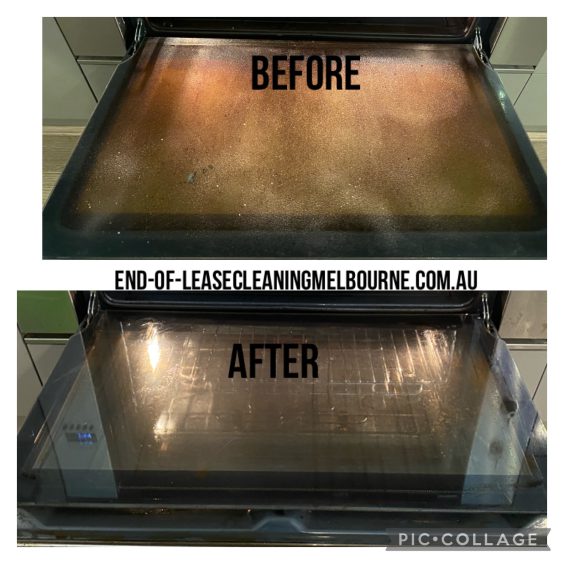
Detailing Appliances: Use a mixture of baking soda and water to scrub and clean kitchen appliances like ovens, cooktops, and range hoods. Allow the mixture to sit for a while before scrubbing to remove tough stains and residues.

Tackling Grout: Grout in bathrooms and kitchens can become discolored over time. Create a paste using baking soda and water, apply it to the grout, and scrub with a toothbrush. For stubborn stains, consider using hydrogen peroxide.

  • Essential Cleaning Agents

White Vinegar: A versatile cleaning agent, white vinegar can be used to clean glass surfaces, sanitize countertops, and even remove limescale buildup around faucets.

Baking Soda: This mild abrasive agent is excellent for scrubbing surfaces like sinks, bathtubs, and stovetops. It also helps eliminate odors from carpets and upholstery.

Lemon: Lemons are natural deodorizers and can be used to clean cutting boards, sanitize surfaces, and remove stains. The acidity of lemon juice can help break down grime and grease.

Castile Soap: This biodegradable soap is gentle yet effective for cleaning various surfaces. It’s especially useful for cleaning floors, walls, and even delicate items.

Hydrogen Peroxide: An excellent disinfectant, hydrogen peroxide can be used to clean and whiten grout, remove mold and mildew, and sanitize surfaces.

  • Tips for a Successful End of Lease Cleaning

Windows and Glass Surfaces: Mix equal parts of water and white vinegar in a spray bottle. Use this solution to clean windows, mirrors, and glass surfaces. Wipe them down with a lint-free cloth or newspaper for streak-free shine.

Carpets and Floors: Vacuum the carpets thoroughly and consider renting a steam cleaner for a deeper clean. For hardwood or laminate floors, use a damp microfiber mop with a mixture of water and a few drops of mild dish soap.

Walls and Baseboards: Wipe down walls and baseboards with a damp cloth to remove dust and marks. Pay attention to areas near light switches and door handles, which tend to accumulate dirt.

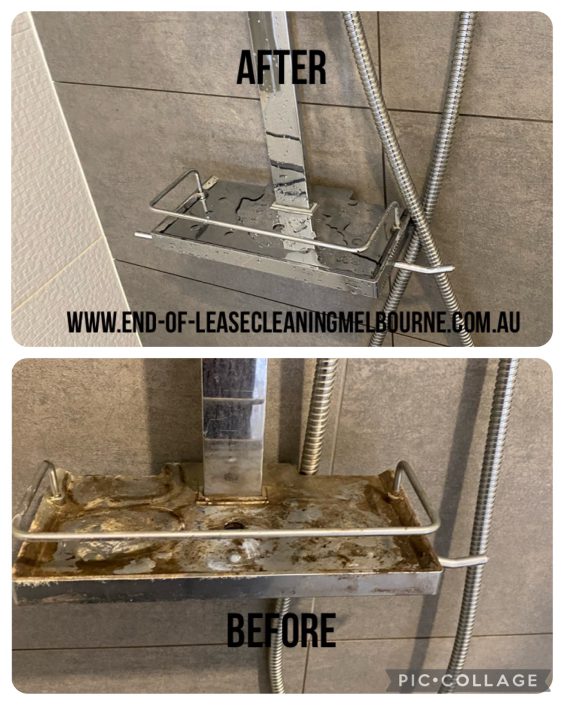
Bathrooms: Scrub bathroom tiles, tubs, and sinks using a mixture of baking soda and water. Don’t forget to clean inside the toilet bowl and sanitize all handles and faucets.

Kitchen Appliances: Clean inside and outside of your refrigerator, microwave, and dishwasher. For stainless steel appliances, use a mixture of water and dish soap to clean, and then wipe dry to prevent streaks.

Cabinets and Drawers: Wipe down the interior and exterior of cabinets and drawers. Remove any shelf liners and replace them with new ones if needed.

Light Fixtures and Ceiling Fans: Dust and clean light fixtures and ceiling fans. Remove light covers and wash them with warm, soapy water.

Smoke Detectors and Fire Alarms: Gently vacuum smoke detectors and fire alarms to remove dust that might affect their performance.

Garage and Outdoor Areas: If applicable, clean the garage and outdoor spaces. Sweep the garage floor, remove any cobwebs, and clean any outdoor furniture.

Final Walk-Through: Before you finish, do a final walk-through of the property to ensure that everything is clean and in good condition. This is your opportunity to address any missed spots.

  • Important Safety Considerations

Ventilation: Ensure proper ventilation while using cleaning agents, especially those with strong odors. Open windows and doors to allow fresh air to circulate.

Protective Gear: Wear gloves and, if necessary, a mask when using cleaning agents to protect your skin and respiratory system.

Read Labels: Always read the labels and instructions on cleaning products to ensure safe and effective usage.

Test Surfaces: Before using any cleaning solution, test it on a small, inconspicuous area to ensure it doesn’t damage or discolor the surface.

Upgrade knobs and handles: If you’re looking for upgrading knobs and handles then contact cabinet knobs and handles as they have more than 100 types of varieties available.

Conclusion

Taking the time to perform a thorough end-of-lease cleaning using these DIY tricks, techniques, and essential cleaning agents can save you money and stress in the long run. By following a well-structured plan and using effective cleaning solutions, you can leave the property in pristine condition, ensuring a smooth transition and increasing your chances of receiving your full bond money back. Remember, a little effort now can make a big difference in your moving experience. If you’re looking for professional end of lease cleaning service in Melbourne, then call or email End of lease cleaning Melbourne for best quote.

The Hidden Link Between Attractive Entrances and Real Estate Value

We’ve all heard the old adage, “You never get a second chance to make a first impression.” But have you ever thought about how this wisdom applies to real estate? Believe it or not, the appeal of your property’s entrance plays a pivotal role in determining its overall value.

So, whether you’re a savvy homeowner looking to increase your property’s worth or a potential buyer seeking a place to call home, understanding the hidden link between attractive entrances and real estate value is a game-changer you won’t want to miss.

The Grand Prelude

Imagine strolling up to a house with a pathway lined by lush greenery, fragrant blooms, and perhaps a charming little bench beckoning you to take a moment to enjoy the surroundings.

Doesn’t that create an inviting atmosphere that sets the tone for what’s inside? An attractive entrance serves as the grand prelude to the rest of your property, inviting potential buyers or guests to step in with anticipation and excitement.

Think about adding elements like well-maintained landscaping, a fresh coat of paint on the front door, and stylish lighting fixtures to create an entrance that’s both visually pleasing and welcoming. These subtle enhancements can instantly boost the perceived value of your property.

A Taste of What’s to Come

Your property’s entrance isn’t just a gateway; it’s a sneak peek into the lifestyle and comfort that lies beyond. Buyers are often drawn to homes that offer a sense of style, elegance, and coziness right from the doorstep. By investing in your entrance’s aesthetics, you’re giving potential buyers a glimpse of what their life could be like in their new abode.

Consider adding a charming doormat, a few potted plants, or a stylish welcome sign, while also ensuring your driveway repair and restoration is up to par, to convey a sense of warmth and hospitality. These small touches can make your property feel instantly inviting, leaving a lasting impression on visitors and driving up its market value.

The Power of Memorable Details

Have you ever walked into a home and been captivated by a unique architectural feature or a well-placed piece of decor? These details, when strategically incorporated into your entrance, can leave a lasting impact on buyers and significantly impact their perception of value.

Think about adding eye-catching elements like a vintage mailbox, an artful door knocker, or even a small water feature. These distinctive details not only make your entrance stand out but also contribute to the overall charm and character of your property, making it all the more appealing to potential buyers.

Street Appeal and Market Impact

We’ve all heard about curb appeal, but let’s take it a step further to “street appeal.” A well-maintained and attractive entrance doesn’t just draw the attention of potential buyers who step onto your property; it can also grab the eyes of passersby and prospective buyers before they even decide to schedule a viewing.

In today’s digital age, where many buyers begin their property searches online, a captivating entrance can make your listing photos pop and entice potential buyers to explore further. This initial engagement can lead to more interest, showings, and ultimately, a higher likelihood of selling at a desirable price.

Elevating Emotional Connections

Buying a home is a highly emotional decision. Buyers don’t just look at square footage and layout; they seek a place where they can envision their lives unfolding. An enchanting entrance can play a vital role in forging that emotional connection.

A well-designed entrance, with its inviting ambiance and attention to detail, can help potential buyers see themselves living there. It can spark their imagination about the welcome they’ll receive every time they come home, the gatherings they’ll host, and the memories they’ll create. This emotional resonance can directly influence their willingness to pay a premium for a property that feels like a perfect fit.

Making Your Entrance Count

Creating a captivating entrance can set the stage for a significant boost in your real estate value. An attractive entrance isn’t just a pathway; it’s a statement, an invitation, and a promise of what lies ahead in the realm of property transactions.

So, whether you’re a homeowner considering improvements or a buyer looking for your dream home, remember that the hidden link between attractive entrances and real estate value is a powerful one. Elevate your property’s worth by ensuring that your entrance isn’t just a doorway but a story waiting to unfold in the vast landscape of real estate opportunities.

The Dangers of Mold in Your Basement

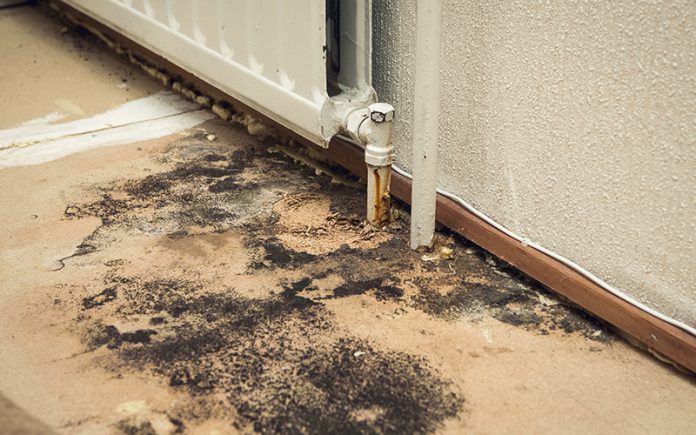
Your home’s basement, due to its location and inherent moisture retention, is especially susceptible to mold growth. While a damp, musty smell might seem like a minor inconvenience, mold can pose significant risks to your property’s structural integrity and, more importantly, your family’s health. Here’s a closer look at the dangers posed by mold in basements and the reasons why every homeowner should take it seriously.

1. Health Risks

Mold spores are microscopic and can easily become airborne. When inhaled, these spores can lead to a range of health problems. Here are some of the major health risks associated with mold exposure:

– Allergic Reactions: The most common health issue arising from mold exposure is allergic reactions. Symptoms can include sneezing, runny or stuffy nose, itchy or watery eyes, and skin rashes.

– Asthma Attacks: For those with asthma, mold can trigger more frequent and severe attacks.

– Respiratory Infections: Prolonged exposure to mold can lead to respiratory infections, especially in those with weakened immune systems or pre-existing lung conditions.

– Toxic Mold Syndrome: Some molds, such as Stachybotrys chartarum (commonly known as black mold), produce mycotoxins. Exposure to these can lead to symptoms like fatigue, headaches, nausea, and even neurological issues over time.

2. Structural Damage

Beyond health issues, mold also poses risks to your home’s structural integrity. When mold grows on organic materials like wood, it can slowly deteriorate these materials. Here’s how:

– Wood Rot: Mold feeds on organic materials, including the wooden structures of your home. Over time, this can weaken the wood, leading to potential structural failures.

– Wall Damage: Mold can grow behind walls, damaging plaster, wood, and insulation. Replacing these materials can be costly and require significant renovation.

– Carpet Damage: Basements with carpeting can become breeding grounds for mold if they get wet. Once mold gets into carpet padding, it’s difficult to remove, often requiring complete replacement.

3. Decreased Property Value

If mold becomes a persistent problem in your basement, it can significantly decrease your home’s market value. Potential buyers are often wary of homes with mold issues, associating them with poor maintenance and potential health hazards. Thus, not addressing mold promptly can have long-term financial repercussions.

4. Aesthetic Damage

While not as severe as the aforementioned dangers, mold can stain surfaces, leading to unsightly discolorations on walls, ceilings, and floors. These stains can be hard to cover up or remove, leaving your basement looking neglected and unappealing.

Prevention and Remediation

Understanding the risks posed by mold, it’s crucial to prioritize its prevention and, if necessary, remediation. Here are a few steps to help keep your basement mold-free:

– Regular Inspections: Regularly inspect your basement for any signs of moisture or mold. Look for discolored patches on walls, ceilings, and floors.

– Dehumidify: Basements are naturally damp, but using a dehumidifier can help reduce the moisture levels, making them less hospitable to mold.

– Proper Ventilation: Ensure that your basement has adequate ventilation to allow moisture to escape and fresh air to circulate.

– Fix Leaks Promptly: Whether from internal plumbing or external sources, any sign of water intrusion should be addressed immediately to prevent mold growth.

– Professional Remediation: If you discover a mold problem that’s beyond your ability to handle, it’s essential to hire professionals. They can properly assess the extent of the issue, safely remove the mold, and offer solutions to prevent future growth.

In conclusion, mold in the basement is more than just an unpleasant sight or smell—it’s a hazard that can impact your family’s health, your property’s value, and its structural integrity. By understanding these risks and taking proactive measures, homeowners can ensure a safer and more comfortable living environment.

If you are having wet basement issues in New Jersey, look to Blue Umbrella Waterproofing. They specialize in basement waterproofing, crawl space repair, foundation repair, and more in the greater Newark, NJ Area.

Recent Posts

Posts You Might Like