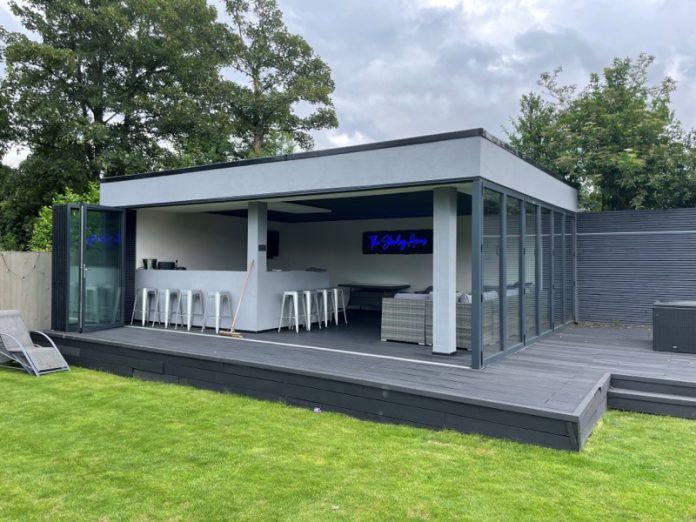
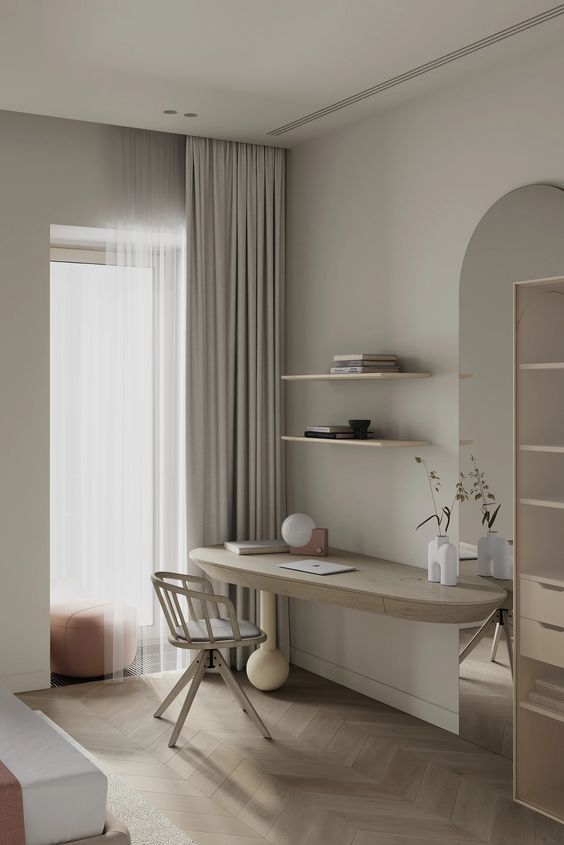
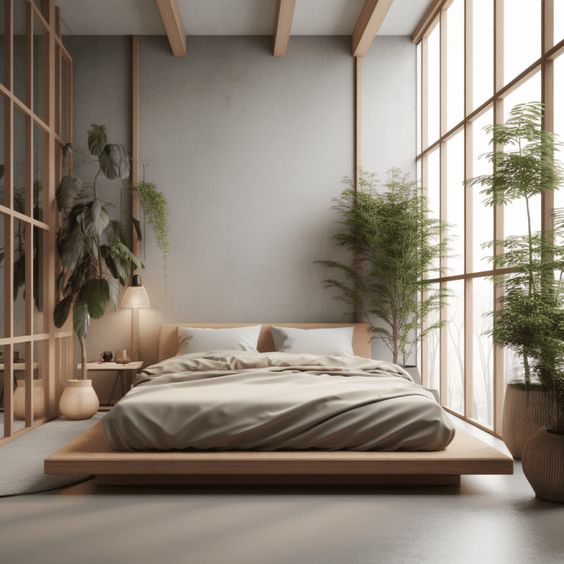
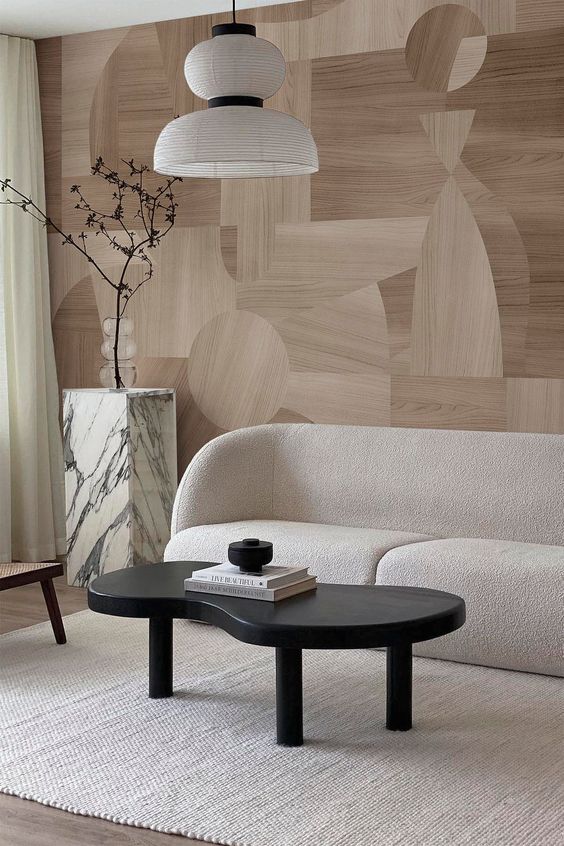
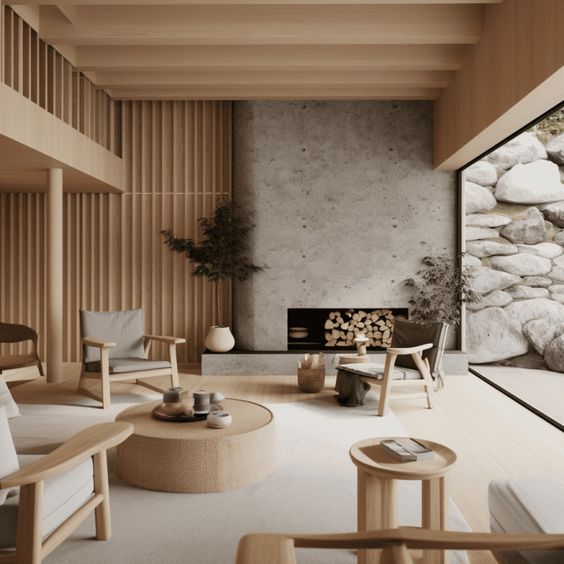
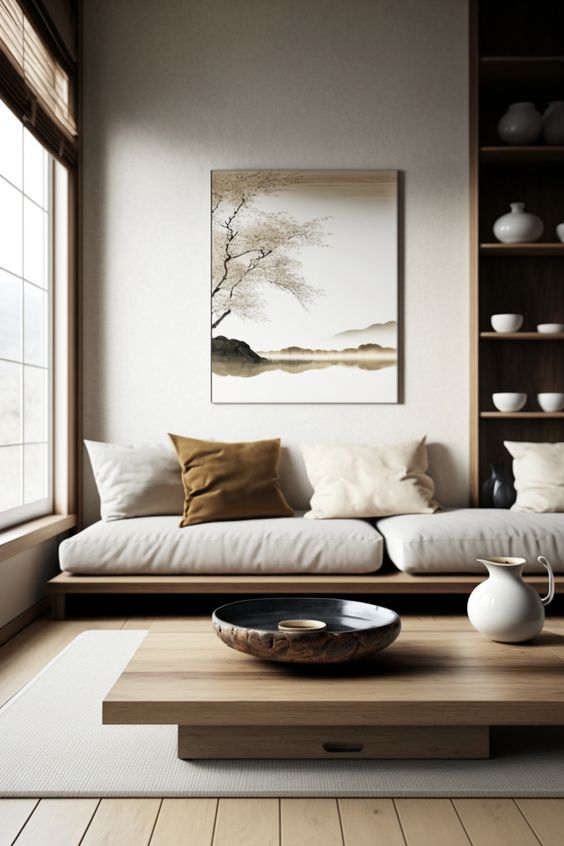
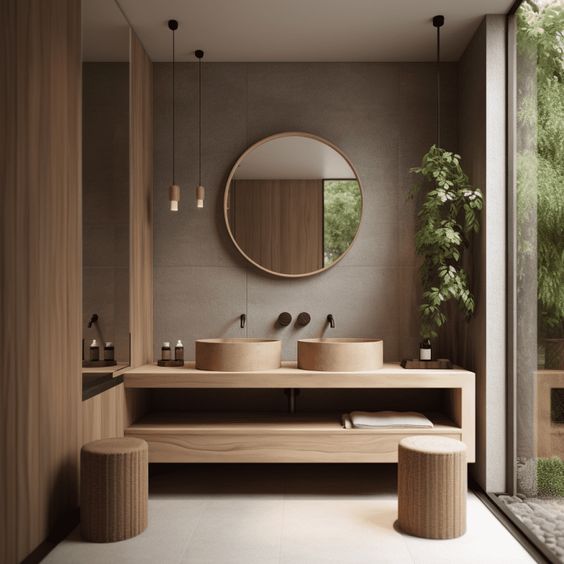
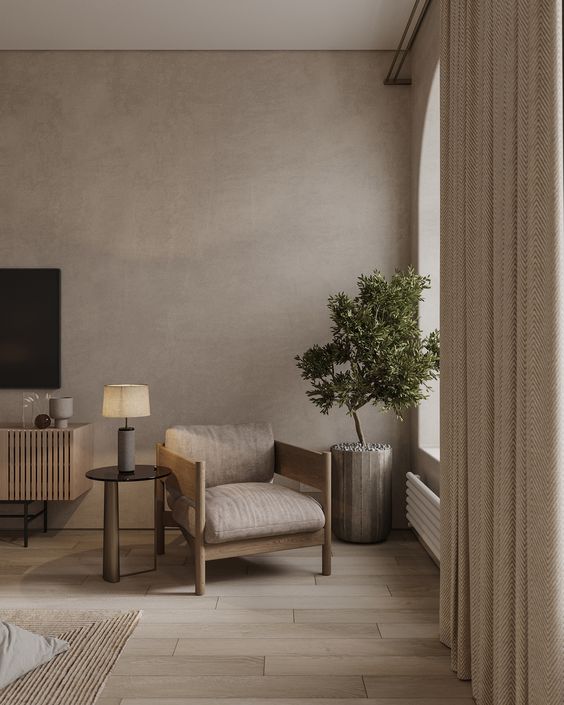
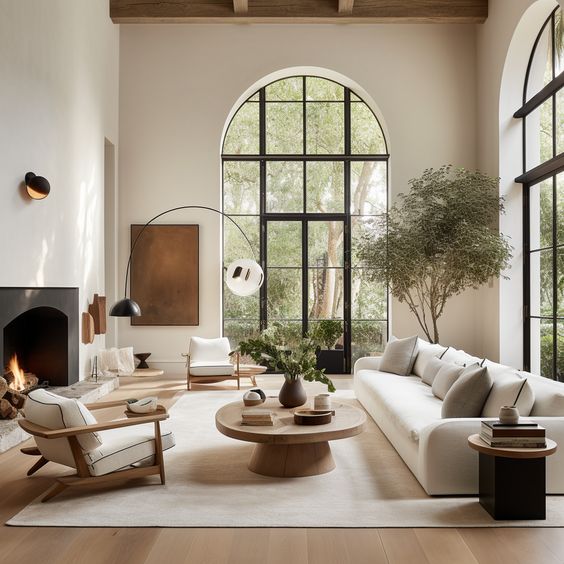
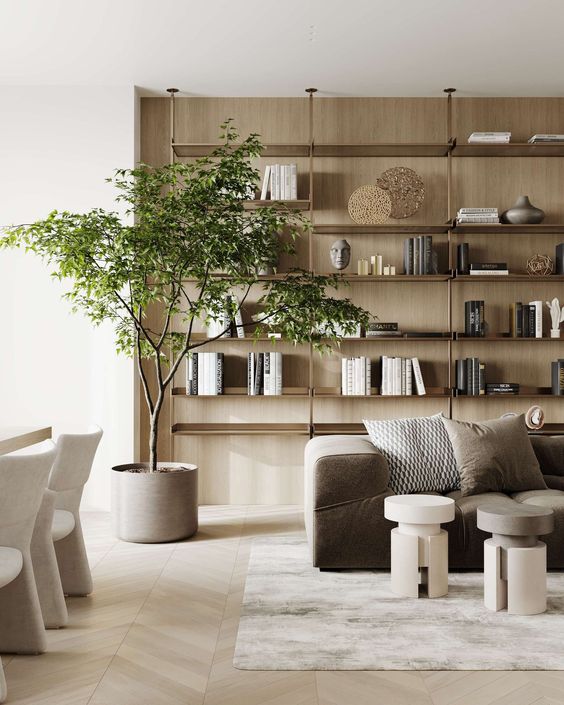
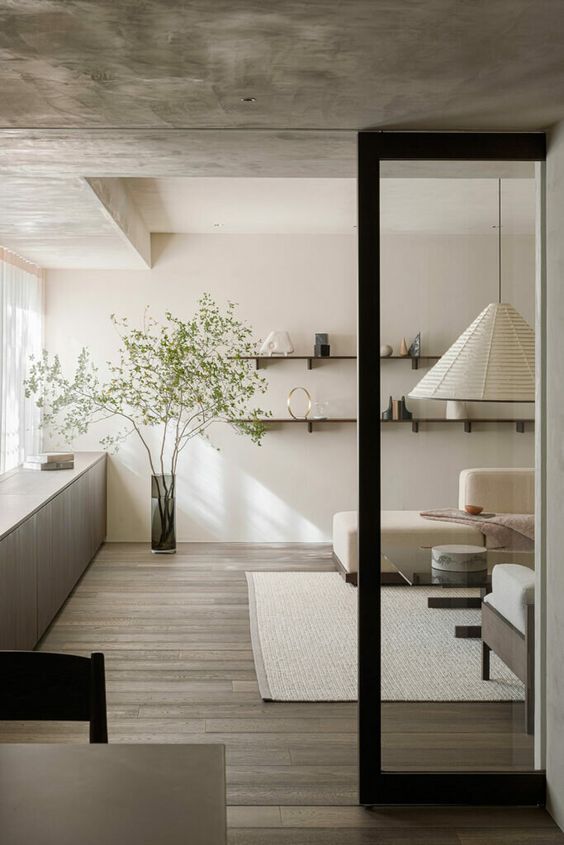
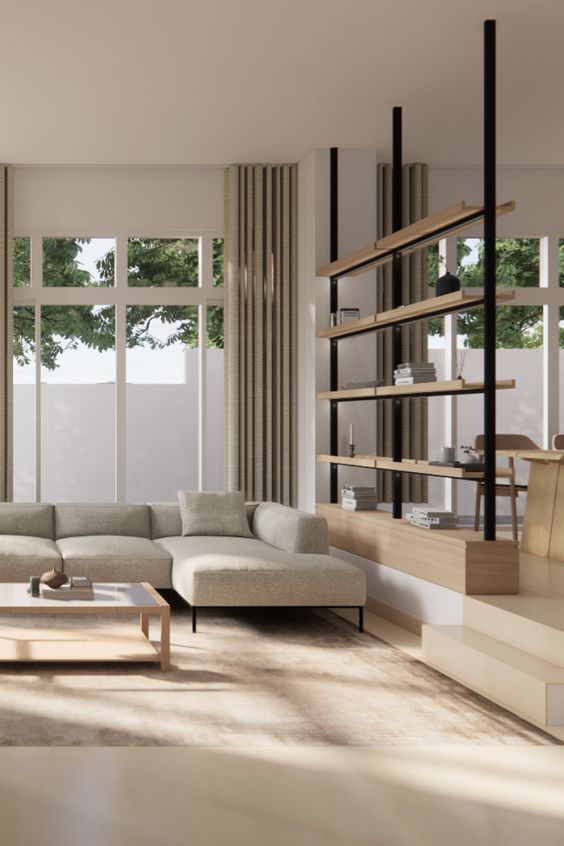
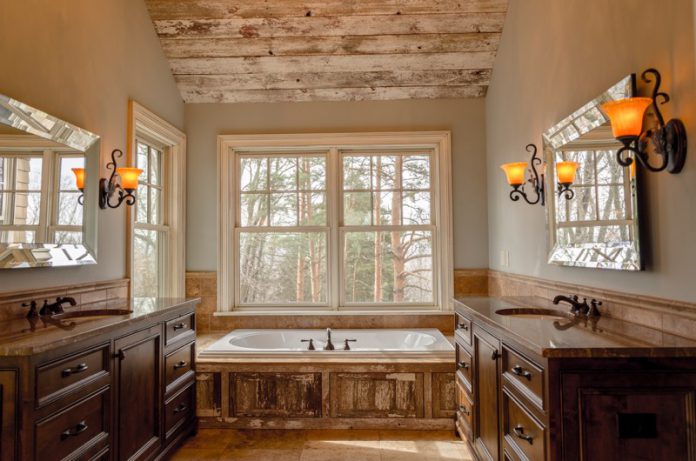
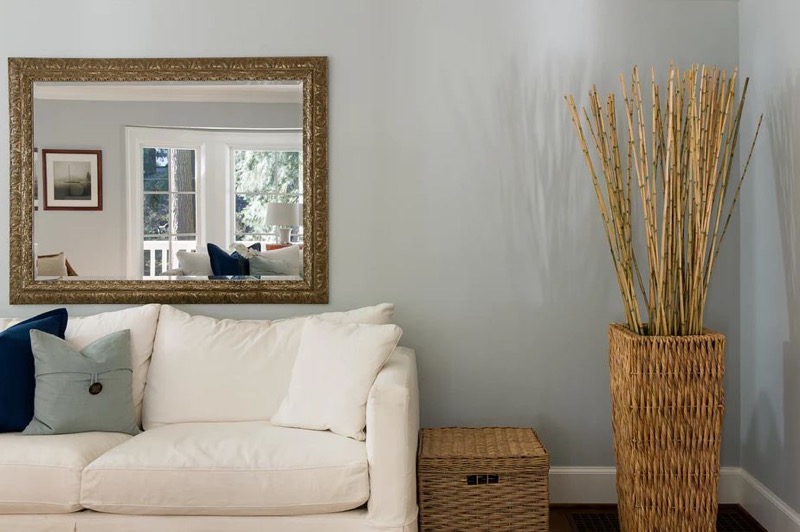
Bifold doors are a fantastic addition to any home, offering a seamless connection between indoor and outdoor spaces while adding a touch of elegance. Whether you’re looking to enhance the aesthetics of your interior or create a stunning entrance to your patio, bifold doors are the perfect solution.
In this blog, we’ll explore the benefits of bifold doors in further detail and discuss how they can increase the value of your property.
Benefits of Bifold Doors
Bifold doors open up an entire wall to allow for an abundance of natural light, creating a bright and inviting atmosphere. This not only reduces the need for artificial lighting but also provides a sense of spaciousness, which is ideal for smaller spaces.
Additionally, bifold doors are incredibly versatile. They can be customised to fit any space and can be installed in various configurations, such as folding inwards or outwards, depending on your preference. This flexibility enables you to maximise the functionality of your living areas, whether you want to create a seamless transition between your indoor and outdoor spaces or divide large rooms into smaller spaces.
Factors to Consider When Choosing Bifold Doors
Selecting the right bifold doors for your home can be a daunting task, but considering a few key factors can help you make an informed decision. Here are some important aspects to consider.
Size and Configuration
Measure the available space accurately to determine the size and configuration of the bifold doors you need. Consider the number of panels you want and whether you want them to fold inwards or outwards.
Material
Choose a material that suits your aesthetic preferences, maintenance requirements, and budget. Aluminum bifolds are the most common choice. UK Doors Online manufacture and supply quality aluminium bifold doors with market-leading sash sizes of up to 1200mm wide and 3000mm tall, crafted to your requirements.
Security
Ensure that the bifold doors you choose have robust locking mechanisms and meet the necessary safety standards. Look for doors with multi-point locking systems and toughened or laminated glass for enhanced security.
Maintenance Tips for Bifold Doors
To keep your bifold doors looking and functioning their best, regular maintenance is essential. Here are some tips to help you maintain your bifold doors.
Clean Regularly: Dust and debris can accumulate in the tracks and hinges. Clean these regularly using a soft brush or cloth to ensure smooth operation.
Check for Any Damage: Periodically check the hinges, screws, and other hardware to ensure they are secure. Be sure to address any problems promptly to avoid further damage.
Embracing the Versatility of Bifold Doors
Bifold doors are more than just a functional addition to your home; they are a statement of style and elegance. With their ability to seamlessly connect indoor and outdoor spaces, bifold doors create a sense of openness and bring an abundance of natural light into your home.
By considering factors such as size, configuration, material, and security, you can choose the perfect bifold doors for your home.
So, open up to a world of style and functionality with bifold doors and transform your living spaces into something truly extraordinary today!
First impressions are essential in business. A clean and well-kept atmosphere not only promotes professionalism but also assures the health and safety of both staff and consumers. When it comes to keeping a clean workplace, commercial carpet cleaning equipment is essential. Aside from aesthetics, these instruments are critical for extending carpet life, increasing indoor air quality, and ultimately contributing to a good and healthy work environment.
Types Of Commercial Carpet Cleaning Equipment
Various commercial carpet cleaning equipment types are available to meet multiple cleaning demands and preferences. Each piece of equipment has advantages and intends to handle specific problems. Let’s look at the different sorts of commercial carpet cleaning equipment:
Carpet Extractors
These adaptable machines are referred to as steam cleaners. They inject a cleaning solution and water mixture deep into the carpet fibers and then remove the unclean solution. There are two types of carpet extractors: portable and truck-mounted. Mobile units are suitable for smaller locations because they are more maneuverable. In contrast, truck-mounted systems are better suited for big commercial venues due to their more extensive power and water capacity.
Encapsulation Machines
This process entails using a specialized cleaning solution that, when it dries, traps dirt and debris into crystalline particles. Once they are dry, you can quickly sweep away these particles. Encapsulation cleaning is well-known for its short drying time and ability to minimize re-soiling.
Bonnet Cleaners
People often employ this technique for regular maintenance. A bonnet cleaner agitates the carpet’s surface and removes dirt using a revolving pad dipped in a cleaning solution. Bonnet washing, while less deep-cleaning than other procedures, is excellent for surface-level care.
Dry Carpet Cleaning Machines
These machines use a low-moisture cleaning technique, making them ideal for areas that require speedy drying. Dry cleaning agents or powders are sprayed onto the carpet, attracting and absorbing dirt. Then, the vacuum removes the cleaning solution and the trapped dirt from the rug.
Benefits Of Utilizing Commercial Carpet Cleaning Equipment
Commercial carpet cleaning equipment provides numerous advantages beyond simply preserving a clean appearance. The following are some of the primary benefits of employing such technology in commercial settings:
Enhanced Appearance
Using industrial carpet cleaning equipment regularly keeps carpets appearing clean, fresh, and well-maintained. It creates a favorable initial impression for visitors and clients, contributing positively to the overall image of your company.
Improved Indoor Air Quality
Carpets can trap allergies, dust, and pollutants, all of which have an impact on indoor air quality. Deep cleaning using specialist equipment eliminates these toxins, resulting in a healthier atmosphere for staff and customers, especially those with respiratory sensitivity.
Prolonged Carpet Lifespan
Regular care with appropriate carpet cleaning equipment keeps dirt and debris from prematurely wearing down carpet fibers. It increases the carpet’s longevity, decreasing the need for frequent replacements and saving money in the long term.
Efficient Stain Removal
Commercial carpet cleaning equipment has robust cleaning solutions and extraction capabilities that remove tough stains and spills. Addressing stains as soon as possible prevents them from settling in and becoming permanent.
Time and Labor Savings
Commercial carpet cleaning technology, when compared to traditional hand cleaning methods, significantly saves the time and work necessary to clean huge areas. Employees can then focus on more productive duties, improving overall operational efficiency.
Environmental Benefits
Manufacturers have incorporated environmentally friendly features into new carpet cleaning equipment, including reduced water and cleaning ingredients. It not only saves resources but also aligns with the sustainability aims of corporations.
Choosing The Right Equipment
Selecting the appropriate commercial carpet cleaning equipment is a significant choice that can influence the efficiency of your cleaning endeavors and the overall aesthetic of your business environment:
Carpet Type and Size
Different carpets necessitate different cleaning methods. Furthermore, the size of the carpeted area influences whether portable or truck-mounted equipment is more appropriate.
Cleaning Frequency
Cleaning in high-traffic areas may necessitate more regular visits. In such instances, equipment with fast drying periods can minimize disturbance to business operations.
Budget and Investment
Consider the equipment’s initial cost and the long-term benefits from decreased maintenance and prolonged carpet lifespan.
Eco-Friendly Features
Choosing equipment that uses environmentally friendly cleaning solutions and water-saving technology might be a good choice for firms with a solid commitment to sustainability.
How Often Should Commercial Carpets Be Cleaned?
Several criteria determine the frequency at which you should clean commercial carpets. These criteria include the level of foot traffic, the nature of the business or facility, the type of carpet, and the desired overall cleanliness standards. Below are some general recommendations for the appropriate cleaning frequency of commercial carpets:
High-Traffic Areas
It would help if you cleaned the entrances, hallways, and reception areas with high foot traffic. These areas may need to be cleaned every 1 to 3 months to prevent dirt and stains from developing.
Medium-Traffic Areas
Spaces with moderate foot activity, such as offices and conference rooms, can be cleaned every 3 to 6 months. Cleaning helps to keep a clean appearance and avoids deep-seated filth buildup.
Low-Traffic Areas
For example, you can clean storage rooms and less frequently used corridors every 6 to 12 months. Less frequent cleaning is okay here, but regular maintenance is still required.
Healthcare and Food Service Facilities
Because of hygiene and sanitation concerns, hospitals, clinics, and restaurants may require more frequent cleaning. Depending on the exact requirements, these areas may need cleaning every 1 to 2 months.
Seasonal Considerations
Carpets may require more regular cleaning at particular periods of the year, depending on the environment and weather conditions. Rugs, for example, may become dirtier faster and require more frequent cleaning during wet or snowy seasons.
Special Events or Spills
If there are any special events or spills, you must address them immediately to avoid stains and severe carpet damage.
Conclusion
Maintaining a clean and appealing workstation is critical for success in today’s corporate market. Commercial carpet cleaning equipment is essential to attaining this goal, providing benefits beyond aesthetics. The appropriate equipment choice can significantly impact a business’s image and reputation, from improving indoor air quality to extending carpet lifespan and increasing operating efficiency. Companies may make informed decisions that contribute to a healthier, more professional, and welcoming atmosphere for everyone by understanding the types of equipment available, their benefits, and the variables to consider when selecting them.
Decorating or upgrading your home can be a daunting task. One such decorative item for your home is skirting board. It plays a crucial role in adding the finishing touch to your interior design. This humble element can significantly impact the overall aesthetics and ambience of your living spaces.
Complement Your Home’s Style
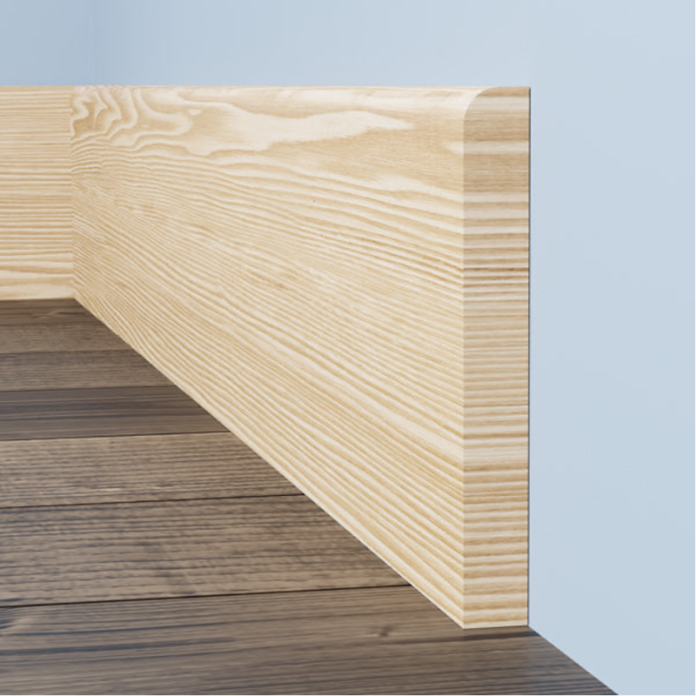
The first step in selecting the ideal redwood skirting board is to consider your home’s architectural style. Different styles call for different types of skirting boards. For instance, if you have a traditional or Victorian-style home, ornate and detailed skirting boards can add a touch of elegance. On the other hand, modern and minimalist homes often benefit from sleek and simple skirting boards. By selecting skirting boards which complement your home’s style, you ensure a seamless integration that enhances the overall appeal.
Height and Proportion
Skirting boards come in different heights. Choosing the right one can make a significant difference in the visual impact. Taller skirting boards creates an illusion of higher ceilings, making the room feel more spacious. However, in rooms with lower ceilings, taller skirting boards might not be suitable as they can overpower the space.
For standard ceiling heights, a skirting board with a height of 4 to 6 inches usually works well. Consider the proportions of your room and the height of your ceilings before making a decision.
Material Matters
Skirting boards can be found in a various material, each offering unique benefits. The common materials include wood, MDF (Medium-Density Fiberboard), PVC, and polyurethane.
Wooden skirting boards give a classic and natural look, and can be stained or painted to match your interior décor.
MDF skirting boards cost less and are pre-primed, making them easier to paint.
PVC skirting boards are waterproof, making them perfect for bathrooms and kitchens.
Polyurethane skirting boards are lightweight, durable, and waterproof and mold proof.
Color
The color of your skirting board can affect the aesthetic of your home. There are two main ways you can color match.
First, you need to match the color of the skirting board with the color of your decorative doors and windows. This creates a cohesive and harmonious look that brings everything together.
Secondly, you can go with contrasting color for your skirting boards, which might stand out and can be a focal point in your interior design.
Make sure the skirting color matches the existing color scheme of your home.
Consider Profiles and Designs
Skirting boards come in many different profiles and designs. From simple, straightforward patterns to intricate and beautiful graphics, there are spinning boards to suit every taste. Be sure to explore different options and choose a design that matches your overall interior theme. Sleek and detailed designs can add sophistication, while a sleek, modern design can give you a modern feel. Don’t be afraid to mix and match profiles throughout the home to add a fun look and character.
It is easy to fix
While aesthetics is important, practicality should also be considered when choosing a skirting board. Look for skirting boards that are easy to clean and maintain. Smooth surfaces are generally easy to dust and wipe, saving time and effort over time. Also, consider the durability and longevity of the product. Skirting boards in high-traffic areas should be strong enough to withstand everyday use without losing their fatigue.
Conclusion
Skirting boards may seem like a small part of home, but it can affect the charm and beauty of your living spaces. By considering the above factors, you can choose the perfect redwood skirting board that enhances your home’s beauty and creates a harmonious atmosphere. Remember, a well-chosen skirting board isn’t a finishing touch; It’s a shouting point in your home interior design.
Moving to a new place or relocating your business can be exciting and challenging at the same time. The process of packing your belongings and transporting them to the new location can be overwhelming, which is precisely why you need to hire a professional moving service.
Working with a moving company ensures your move is less stressful. The staff is trained in handling all items, including fragile objects and heavy furniture, and ensures your belongings are safely packed and delivered to the new address. Hiring professionals can also save you time and energy. It can take weeks or even months to do everything on your own.
If you are looking for a suitable moving company to help you relocate, here’s how you can narrow down your options to just one:
Do your research online
Access to all the information you need is just one click away. With the help of a thorough online search, you can find relevant information regarding various moving companies operating in your area. Narrow down your search by reviewing customer reviews, company ratings, and service comparisons. Look for signals indicating professionalism, punctuality, communication, and how the service providers value the safety of belongings. This will help you shortlist a few names to move forward with.
ASK FOR RECOMMENDATIONS
Word of mouth is a highly effective and reliable source of information. You can find good and trustworthy options by asking people in your social circle, such as friends, close relatives, or colleagues, who have recently availed the services of a moving company. Companies like Coleman Worldwide Movers are highly trusted among Americans for all sorts of moves nationwide and internationally.
Personal recommendations will not only provide you with a better understanding of the services offered by a moving company, but will also give you a list of movers to avoid.
Get multiple quotes
A moving budget can involve several costs, including the distance, how much stuff you have, and any other services you might purchase from the service provider. Hence, settling for the first off you receive is never a good idea when booking a moving company. Instead, contact several moving companies to get comprehensive quotes. Make sure the estimates are provided in writing and include all relevant charges.
Comparing multiple quotes will enable you to identify moving companies that fit within your budget.
Get an in-person estimate
An in-person estimate involves a representative from the moving company visiting your site to assess all your belongings. Since some items may be heavier than they look, physical inspection will help the movers determine the actual scale of your belongings and how to transport them.
Avoid companies that provide quotes over the phone without assessing your belongings properly. Such quotes are based on general assumptions and can lead to inaccurate estimates and unpleasant surprises when the movers actually show up.
Check for licensing and insurance
Licensed movers are reliable and they are more likely to provide you with quality service. Insurance coverage holds the company accountable if your stuff gets stolen, lost, or damaged during transit. Knowing that your belongings are in safe hands gives you some peace of mind.
Therefore, always ensure the moving company you choose is licensed and provides insurance. You can request the company to share its license number and verify the information online. During the screening, ask them if they provide insurance coverage and only hire them if they do.
Check the services the company offers
Professional movers often offer various services to accommodate different types of moves. Some companies offer comprehensive services that include everything from packing to setting up stuff on the new site, while some companies only provide basic service that focuses mainly on transporting your belongings from point A to point B. Similarly, not every company will facilitate long-distance moves in case you’re relocating across state lines. Therefore, it is crucial to analyze your needs and choose the company that best meets them.
Read the contract carefully
The moving company will give you a bill of lading; this is a legal contract between you and the mover and usually covers the terms and conditions of the agreement. Before signing on the dotted line, read the contract carefully. Thoroughly go through the terms and conditions, pricing details, and any additional fees that might apply. Look for hidden clauses the moving consultant did not state in your initial meeting. The agreement must include the following:
Name and contact details of the moving company
Acceptable payment options
The total amount that has to be paid
Terms and conditions of the contract
Moreover, keep a copy of the agreement with you until the job is done and all your belongings are safely delivered to the new destination.
Avoid paying large deposits
Never trust movers that ask for large upfront deposits; heft upfront cash payments are usually a big red flag. Companies that ask for large deposits might not provide you with quality services. Once they have your money, they may not be motivated enough to do their work efficiently.
Moreover, unforeseen events might arise in the future that may lead to changes in your moving plan. If you’ve paid a huge deposit, you might face a hard time getting a refund. Only select a service provider that requests full payment after completing their job and is transparent with their business dealings.
Conclusion
Hiring professional movers can save you time and energy. Although it may feel like finding a needle in a haystack, if you do your homework thoroughly, you’ll be able to find the right movers in no time. Follow the tips in this article and you’ll be on the road soon.
When you get an inkling that something might be wrong with your sewer system, you might find yourself at a loss, with no idea how to address this issue. However, there’s no need to panic.
You can take several concrete steps after realizing that a backed-up sewer could be affecting your home’s plumbing. Before calling a professional for help, you should perform these tasks in preparation for the necessary repair work. They will help you minimize damage to your home while ensuring the safety of everyone in your household.
1. Determine Whether You Have a Backed Up Sewer
Determining whether you have a clogged drain in your home or are experiencing a backed-up sewer can be challenging. To tell the difference, look for problems in the drains throughout your home. A backup in one sink or toilet is probably due to a clogged drain.
The signs of a sewer backup are more widespread. You’ll experience backed-up drains in multiple sinks. Your bathtub will probably fill with sewer water. You might also find that your toilet won’t flush and gurgles when unused. Watch for your toilet to fill up to a higher level when you use your bathroom sink.
2. Turn Off the Water Supply
Once you determine that a sewer backup is the most likely problem, there are a few necessary steps. When dealing with the sewer backup, the first thing is to turn off the water supply at the main valve, which might be located in your basement or outside your home.
There are a few reasons why you should immediately turn off the water. First, leaving the valve open will lead to more water waste, costing you heavily when your next utility bill arrives. Second, that consistent flow of water will cause flooding in your home. Keep an eye on your kitchen, bathroom, and basement since these areas will likely flood.
3. Limit Access to Flooded Areas
The combination of flooded floors and exposed electrical outlets and fixtures increases the electrocution risks. For this reason, limit access to high-risk areas. If you have children or pets, ensure they can’t get to the flooded areas in your home. You should avoid entering these areas yourself except when absolutely necessary.
As a safety precaution, turning off the power to your home’s electrical panel is also a good idea. You probably won’t be able to stay in a flooded home, so this shouldn’t be inconvenient.
4. Avoid Using Your Home’s Drains
As soon as you notice that you’re experiencing a backed-up sewer, make sure everyone in your home knows not to use the drains, including those in bathtubs, showers, and sinks. Rinsing water, using garbage disposal, or flushing any waste will contribute to the sewer problem.
Contributing to a clog in your sewer will make the repair work harder. It might also cause more damage, raising the complexity, time, and costs of fixing the sewer issue. Keep buckets on hand to dispose of wastewater, and make sure everyone knows to use trash receptacles for solid garbage and waste.
Don’t rely on using a neighbor’s shower or toilet. Depending on where the sewer back-up started, their plumbing systems may have been similarly affected.
5. Remove Standing Water and Ventilate Your Home
Finally, make sure to remove any standing water in your home. Wear boots with rubber soles and gloves to insulate against any remaining electrical charges, and use buckets to remove standing water.
It’s also a good idea to keep the windows open in the flooded parts of your home. Doing so will speed up drying time and reduce the risks of mold growth in your home. In addition, remember to remove any furnishings that suffered water damage. You can place them outdoors to dry and plan to dispose of heavily damaged items. This will help you eliminate other potential sources of mold growth.
It’s Time to Call for Help
After taking these steps, you’ll be ready for the professional repair work companies like SERVPRO provide. Depending on the type of water contamination resulting from the backup, you may need various clean-up and restoration services. A company qualified to clean up biohazards will help you restore your sewer and plumbing services.
In the realm of home entertainment, the allure of outdoor pool tables has captured the attention of homeowners and enthusiasts alike. As the sun sets on traditional indoor recreational activities, outdoor pool tables offer a refreshing and exciting twist to the concept of leisure.
With their blend of aesthetic charm, physical engagement, and social interaction, these outdoor game tables have become a favoured addition to many homes, creating a space where competition and camaraderie intertwine. In this article, we delve into the reasons why outdoor pool tables are worth the investment and how they contribute to an enhanced outdoor living experience.
Home Outdoor Pool Tables: Why They’re a Worthy Investment
Home outdoor pool tables aren’t just entertainment tables for the whole family. Alongside its appealing functionality and sense of fun outdoors, there are more reasons why you should consider having one for your home.
Are you ready to count down the reasons? Let’s begin.
1. Fusion of Style and Functionality
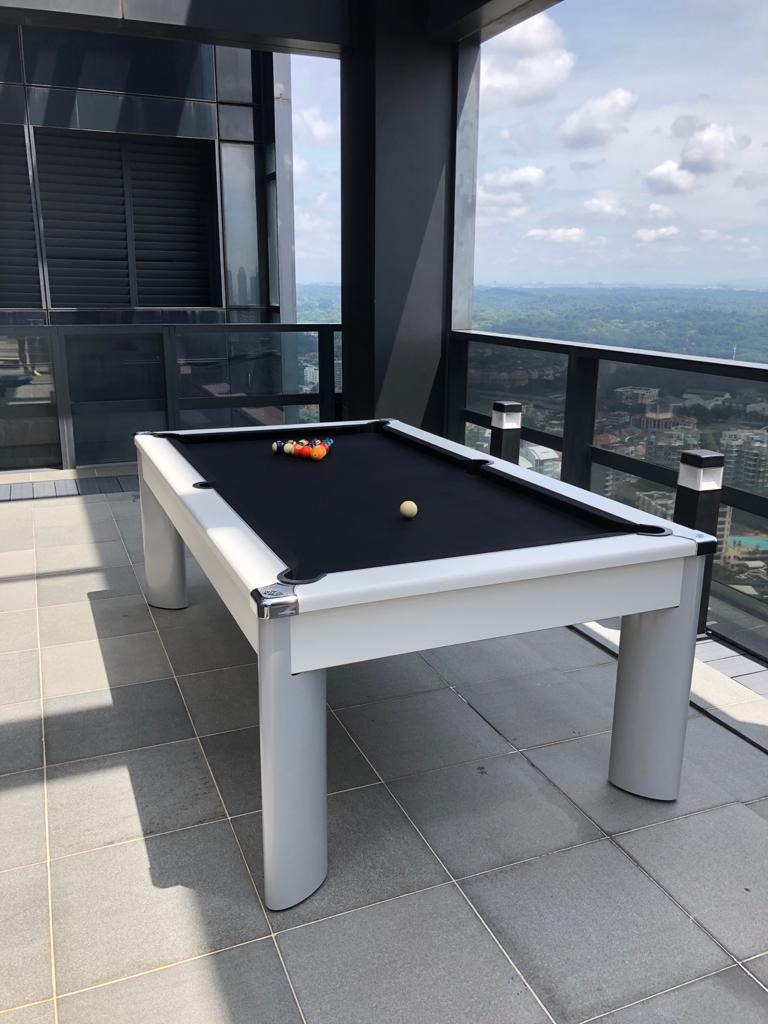
Outdoor pool tables seamlessly fuse aesthetics with functionality, elevating the visual appeal of outdoor spaces while serving as a focal point for recreation. Crafted from durable materials that withstand the elements, these tables are designed to weather rain, sun, and humidity without compromising their structural integrity.
Manufacturers often use materials such as weather-resistant wood, marine-grade aluminium, and corrosion-resistant slate, ensuring that the table maintains its pristine appearance and reliable playability over time. Thus, this fusion of style and functionality transforms any outdoor area into a sophisticated and lively entertainment hub.
2. An Extension of Social Spaces
Outdoor pool tables, whether with wood-bed or slate bed features, have a unique knack for transforming outdoor spaces into social hotspots. Whether it’s a friendly match between family members or a competitive duel among friends, these tables facilitate interaction, friendly banter, and bonding moments that endure long after the game ends.
The open-air setting encourages players and spectators alike to engage in conversation, laughter, and shared experiences, creating cherished memories that are difficult to replicate within the confines of indoor spaces.
Pro Tip: Remember to
3. Physical and Mental Engagement
Beyond the obvious allure of a well-executed shot, outdoor pool tables offer a range of physical and mental benefits. Engaging in a game of pool requires precision, coordination, and strategic thinking. Players must calculate angles, anticipate rebounds, and employ subtle techniques to master the art of sinking balls. This mental exercise not only sharpens cognitive skills but also fosters a sense of achievement and personal growth.
Furthermore, the physical nature of playing pool contributes to a healthier lifestyle. Players constantly move around the table, stretching, bending, and focusing on their stance and grip. These movements provide a low-impact form of exercise that encourages flexibility and balance. While the intensity of the physical activity may vary, the mere act of engaging in the game promotes an active lifestyle that complements the joys of outdoor living.
4. Uniting All Ages
One of the remarkable qualities of outdoor pool tables is their ability to transcend generational boundaries. Regardless of age, individuals of all walks of life can find enjoyment in a game of pool.
Grandparents can challenge their grandchildren, fostering intergenerational connections that bridge the gap between ages. Parents can engage in healthy competition with their teenagers, setting the stage for open communication and shared interests.
These tables become the great equalizer, where everyone can participate on a level playing field, sharing moments of triumph and friendly rivalry.
5. Making the Most of Outdoor Spaces
In an age where outdoor living spaces are gaining prominence, investing in an outdoor pool table is a strategic move. Instead of relegating entertainment to the confines of indoor rooms, these tables allow homeowners to maximise their outdoor spaces.
Patios, decks, and backyard areas can be transformed into multifunctional zones where relaxation, recreation, and socialisation coalesce seamlessly. The presence of an outdoor pool table infuses these spaces with purpose and energy, turning them into inviting extensions of the home.
Ready for Your First Purchase?
Are you ready to add an outdoor pool table to your home? Be sure to look from catalogs only within trusted lifestyle furnishing companies, like The Men’s Cave, for example. You’ll know the quality is incomparable, and you’ll even get to learn a thing or two from the advice of their professionals!
In Conclusion
Outdoor pool tables have emerged as a captivating addition to modern outdoor living. They offer a harmonious blend of style and functionality, fostering social interaction, promoting physical and mental engagement, uniting individuals of all ages, and making the most of outdoor spaces.
As homeowners seek ways to enhance their living environments, these game tables stand as a testament to the power of combining leisure and aesthetics. With their enduring charm and the memories they help create, outdoor pool tables unquestionably prove their worth in the realm of home entertainment.
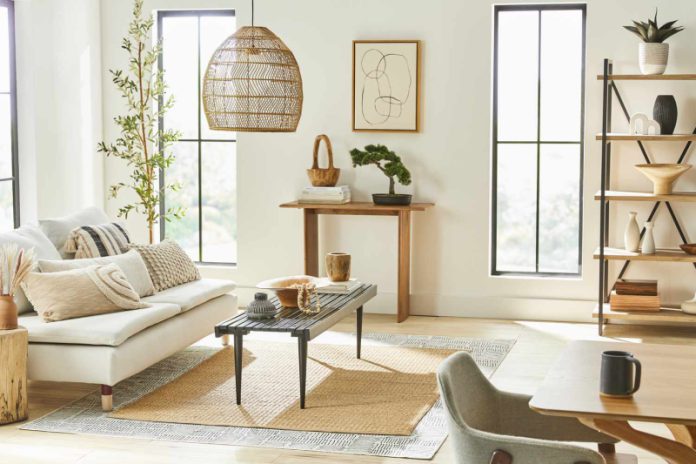
roohome.com– Japandi interior design is a design that can be considered relatively new. It appeared in 2017. This design combines Scandinavian and Japanese which can make your home interior full of serenity and warmth. Wood is the dominant material accompanied by neutral colors like white, grey, black, and beige. Because tranquility is prioritized here, a minimalist concept is applied to the room. Even so, the Japandi design itself has an attractive impression and appearance that makes the room not stiff and boring.
In this article, we have provided 23 Serene Japandi Interior Design Ideas You Will Love. So, let’s check it out!
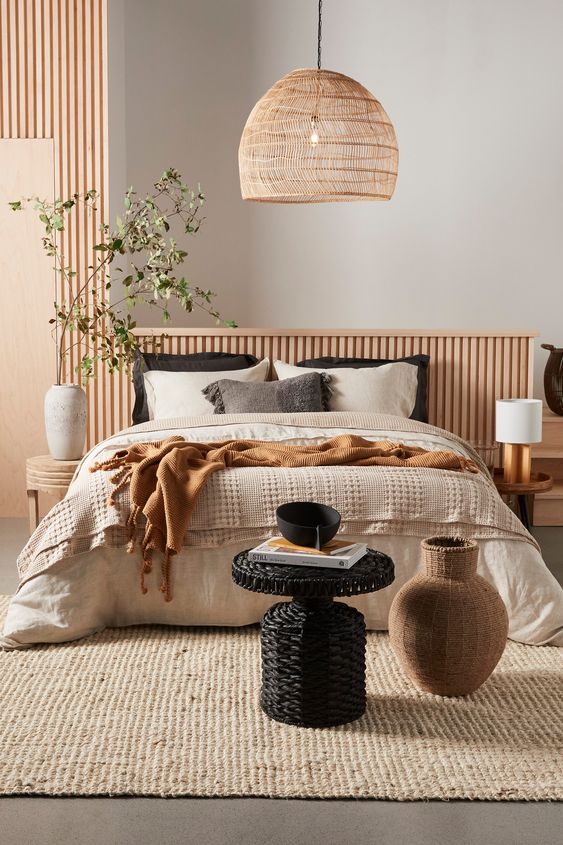
1. Feel The Warmth in Your Sleeping Space
Cc: Pinterest
The bedroom is a crucial area. As a room for sleeping and resting, of course, this room must be made as comfortable as possible. However, still pay attention to the beauty side so that the bedroom does not feel boring. That way, you will feel comfortable when you are in the bedroom for a long time.
Choose the same timber for the wall and headboard. It can make the look of the room become harmonious. Expand the natural brown color of the room for added warmth. You can use a rattan pendant lamp that is hung right in the middle of the bed. Also, choose a wooden bedside table to put the plant. Right under the mattress, you can roll out a light brown rug that can emphasize the warmth in the bedroom.
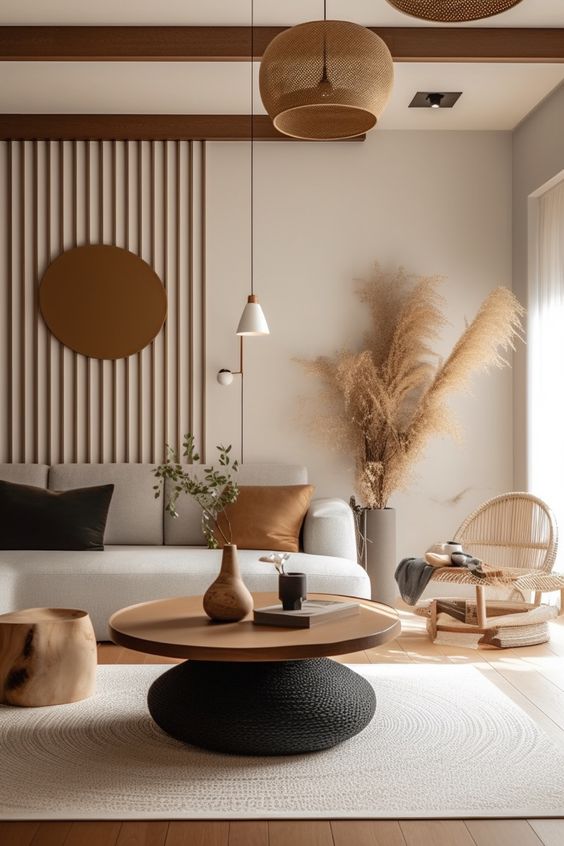
2. Brown Japandi Interior Shades
Cc: Pinterest
Choosing ivory white as the main color is an effective way to create a room with a softer impression. Also, it is easier for you to make the room feel warm and calm. You only need to play on the shade brown. Starting from choosing furniture made of rattan and wood. The wooden round coffee table is great for the Japandi living room design. There is also a rattan chair with a minimalist design that attracts attention.
The walls are left plain without any hanging paintings or pictures. There is a texture from the timber. Timber installed vertically gives the illusion of taller walls and makes the room feel wider.
Plants are chosen as decorations to create a bit of a fresh impression. A simple green plant looks beautiful decorating the coffee table area. Meanwhile, right beside the sofa, there are brown dried plants that blend with the interior concept of the living room.
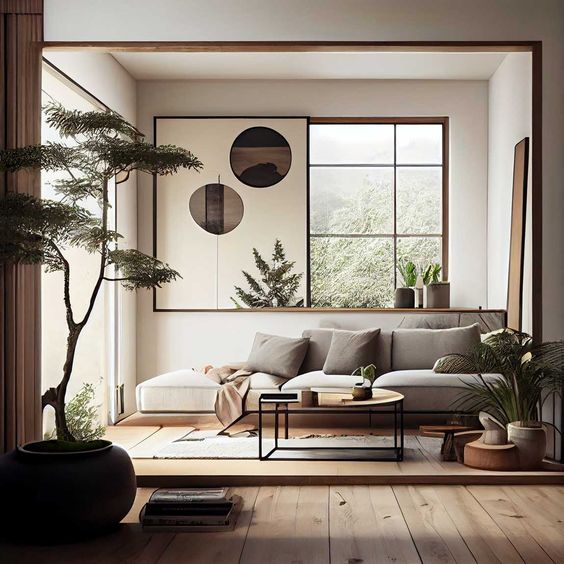
3. Small Japandi Living Room Design
Cc: Pinterest
With ivory white color and maximum natural lighting, the look of the small living room becomes bright and soft. The gray sofa creates a natural look in the room. The minimalist living room furniture design brings serenity to both appearance and ambiance.
Even so, the room still feels warm from the presence of wood materials on the floor, window frames, and coffee table. The texture and color of the wood become more alive due to natural light which is the main lighting in this room.
Plants are a decoration for this small living room. Several sizes of plants make it look so attractive. The natural green color in several spots gives freshness to this serene Japandi living room design perfectly.
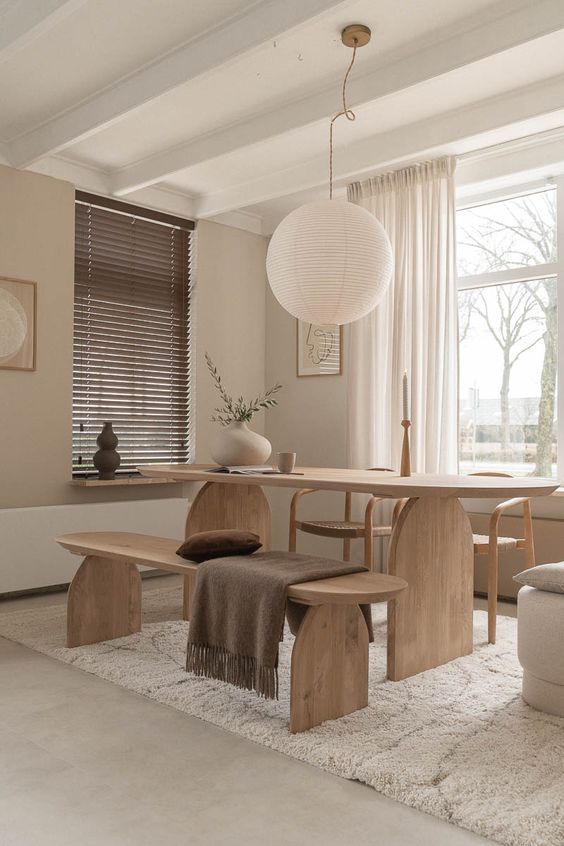
4. Sleek Japandi Dining Room Design
Cc: Pinterest
With the application of a minimalist concept, the dining room has perfect serenity. The walls are painted beige to give the room a shadier look. That way, the atmosphere created in this room is calm and warm. Even so, the room is still made bright by keeping the ceiling white and installing large windows. This really helps to prevent the room from getting cramped and stuffy.
The minimalist dining table and bench have very attractive curved lines. It covers the stiff lines in the room so that the appearance of the room becomes softer. A small plant on the dining table is a simple decoration that gives freshness and makes the dining room feel more comfortable and alive.
5. Warm and Fresh Japandi Kitchen Design
Cc: Pinterest
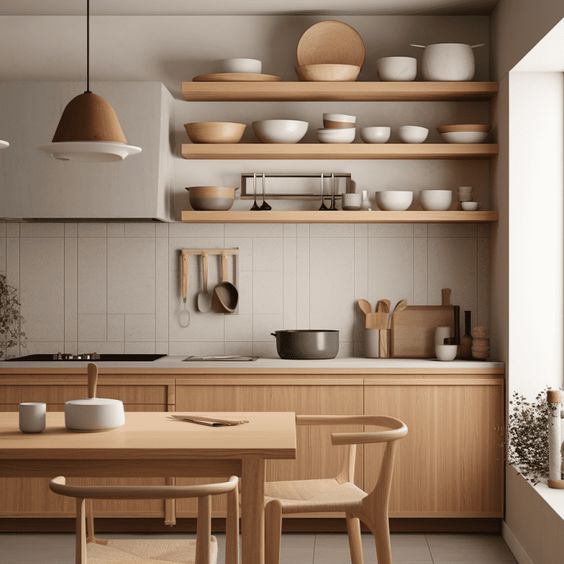
Wood material with a smoother surface turns the look of the kitchen into contemporary, soft, and sleek. Moreover, the natural light that enters freely through the window makes the color and texture of the wood itself visible very clearly.
You can keep the warmth and calm in the room by choosing a soft white color. No need to overly decorate it. Try to use kitchen stuff such as utensils, cutting boards, plates, and bowls as displays for the kitchen.
6. Low-Profile Furniture
Cc: Pinterest
In fact, bringing the Japanese concept into your home interior can be fairly easy and simple. You only need to use low-profile furniture with a minimalist design like the picture above.
The low-profile furniture makes the walls appear taller. This is very good for a small room because it can make it feel bigger. This method is also an effective way to avoid a small room feeling cramped or stuffy.
Choose neutral colors like gray and white. Bring warmth by using more fabrics in the room. Also, make wood the predominant material. If you want to bring a more natural feel, place a large plant in the corner of the room.
7. Calm and Fresh Japandi Home Office Design
Cc: Pinterest
Wood is the dominant material in this Japandi home office design. The simple concept makes this room feel very serene. The dominant white and brown colors bring warmth that can make you feel comfortable.
What’s interesting about this one idea is a small garden that is left open so that it blends with the home office. A big tree accompanied by other green plants brings another color to the room which helps to get rid of the stiff and boring impression. Also, from the garden, sunlight illuminates the home office to the fullest and makes the appearance of the room bright.
8. Get Freshness and Calm at Once
Cc: Pinterest
White color is made more consistent than other colors. Can be seen from the ceiling, walls, doors, and bedding. So, to keep the room naturally bright but not dazzling, the windows are covered with bamboo blinds. That way, the light that enters through the window is more controlled.
The decoration in the room is done very minimally. There is only a small round mirror hanging on the wall with a small plant beside it. And also, there is a large plant that fills the empty corner of the room. By making plants as decorations, the atmosphere is not only calm but also fresh.
9. Quiet Workspace in The Bedroom
Cc: Pinterest
If there is an empty space in your bedroom, use it as a workspace. This is an interesting idea that you can try. Instead of using a table with legs, you can choose a floating table. This not only maintains the minimalist look of the Japandi interior design but also makes the room feel less cramped.
Let the workspace keep simple with only a small plant and a small globe lamp. For storing your books, you can install two floating wall shelves vertically.
10. Large Plants Present Full Freshness
Cc: Pinterest
For the Japandi interior design, the decoration chosen should not be far from nature. And, a plant is the most appropriate and easy decoration for you to find. Plants can bring a freshness that can add to the comfort of the room. Choose plants of a different type. Different shapes and leaves can add color and appearance to a room.
If you want to keep the look of your room minimalist and simple, then choose large, small plants. Place them in the room corners. Choose a spot exposed to direct sunlight. That way, plants can still live well in the bedroom.
11. Japandi Wallpaper for The Living Room
Cc: Pinterest
Remove the displays on the walls if you want to make the room full of serenity. Keep it simple and minimalist. However, that does not mean you do not give interesting touches or decorations at all. There are many ways that can add to the beauty of the room besides using wall displays. As in this one idea that uses wallpaper for the living room.
Japandi wallpaper is great for the Japandi living room design. There are patterns that are made abstract so as to produce a very attractive appearance in the room. Wallpaper has the color and texture of real wood. Bring warmth and emphasize the serenity in the living room.
12. Natural Elements Fill The Large Living Room
Cc: Pinterest
This large living room looks minimalist but does not feel empty. In order to make the Japandi interior design present well in the living room, wood material is made more dominant. Light wood with a finely textured surface is applied to furniture, walls, and ceilings. It presents a little contemporary look into the room and makes it manage to look different.
The concrete wall in the fireplace area is the hallmark of this room. The impression given is more natural and a little cold. However, due to the consistently applied wood material and maximum natural lighting, the warm ambiance remains dominant in this room.
13. Japanese Painting Hang Beautifully on The Wall
Cc: Pinterest
Japanese-style painting is very suitable to decorate the Japandi living room design. By hanging it on the wall right behind the sofa, it looks stand out in the room. Besides that, the blank wall painted white is also a supporting factor that makes this painting look clearer in the room.
It is okay if you want to hang the painting directly on the wall. However, if you want to make it more interesting, you can use frames with thin lists. This can separate the colors on the painting as well as the walls.
14. Japandi Bathroom Design
Cc: Pinterest
Implementing Japandi interior design for your bathroom is an alternative way of creating a cozy bathroom. With the predominant wood material, the ambiance of the bathroom can turn warm. In addition, neutral colors also affect the atmosphere in the bathroom. It makes the bathroom become natural and calm.
Decorating the corner of the room with hanging plants can bring freshness without taking up the space in the room. So, the bathroom can feel spacious. You can hang the plant in the vanity area because this is the main spot in the bathroom.
If right beside your bathroom there is a private garden, use it to add freshness and comfort to the room. Install a glass facade to reveal your beautiful private garden.
15. Relax Yourself in The Corner of The Room
Cc: Pinterest
Never waste a corner of the room. You can make this one spot a comfortable and relaxing place to relax. Suitable for you to relax after tired of working. Here, you can put a cozy chair facing the window. You can rest yourself while enjoying the outdoors.
Bring a little freshness there by placing a large plant in the right corner of the room. Also, make this plant a decoration that can increase the value of the beauty of the corner of the room by choosing an attractive minimalist design pot. And, right next to the chair, put a small coffee table and put the table lamp there. Choose yellow lighting to add warmth and serenity to the corner of the room.
16. Elegant Japandi Living Room Design
Cc: Pinterest
The Japandi interior design can also make you look elegant. Take advantage of the high walls in the room. Make the walls appear taller by choosing low-profile living room furniture. Also, a legless sofa is the best. Keep the walls plain to make them look taller. However, if you want to bring some interesting there, you can hang a simple picture there. Avoid using chandeliers or pendant lamps in the room and switch to floor lamps, wall lamps, or table lamps.
Minimalist and wooden design furniture with smooth and glossy surfaces creates a bit of a contemporary look and also makes this large room look elegant. A soft white rug creates a spacious illusion for this room. The room also feels more spacious due to the maximum lighting from the large window that is left without any decoration.
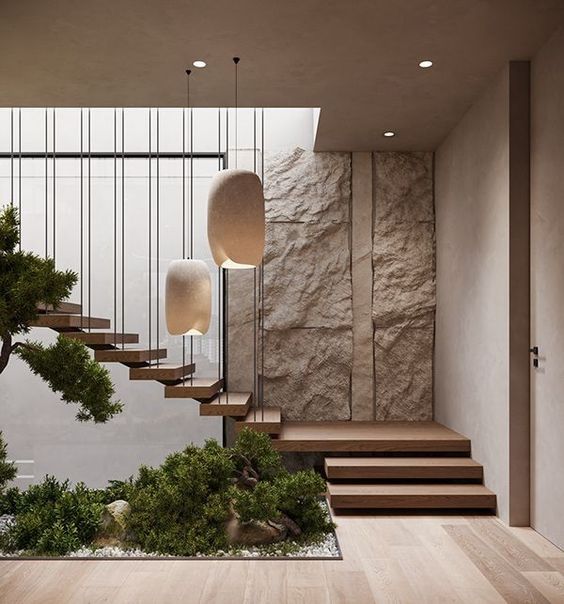
17. Indoor Garden Under The Stairs
Cc: Pinterest
Take advantage of the area under the stairs as an indoor garden. This can be an area that can radiate freshness to your home interior.
Due to limited space, keep the indoor garden simple and minimalist. That way, this will not interfere with the beauty or concept of the interior of the house. Use short plants and a small tree. You can use white stone for this garden so it can look clean.
A large window is enough to illuminate this garden during the day. However, for the night, use two pendant lamps that are installed at different heights. This way becomes a decoration that can make the garden look prettier, especially at night
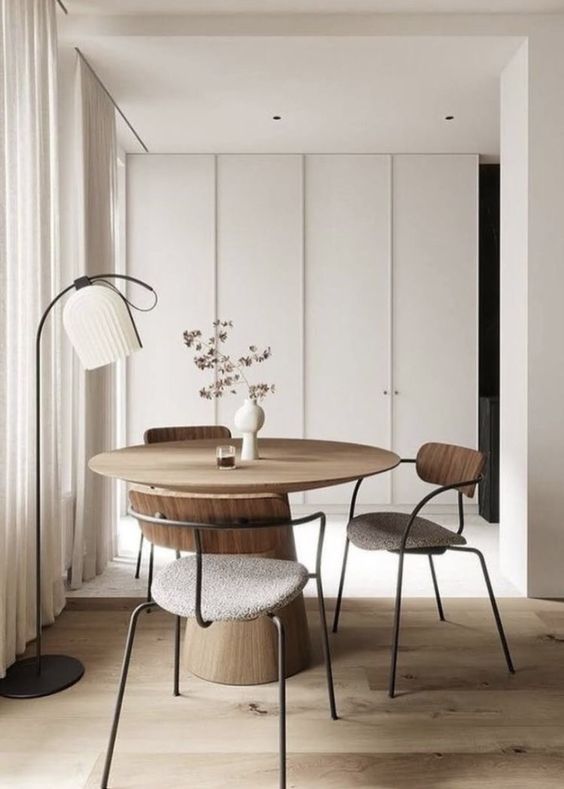
18. Minimalist but Seems Pretty
Cc: Pinterest
Create a small dining room in your small house. Use a round dining table that does not take up a lot of space. The minimalist dining table and dining chairs make it look simpler. Keep it minimalist by adding a small plant in the middle of the table. Also, provide additional items in the form of floor lamps. It not only becomes an item that enhances the small dining room but also a decoration that emphasizes the aesthetic value of the room.
The window area is covered with a sheer curtain so that the light entering the room can be controlled. It is a very good way to maintain calm in the dining room but keep it looking bright and alive.
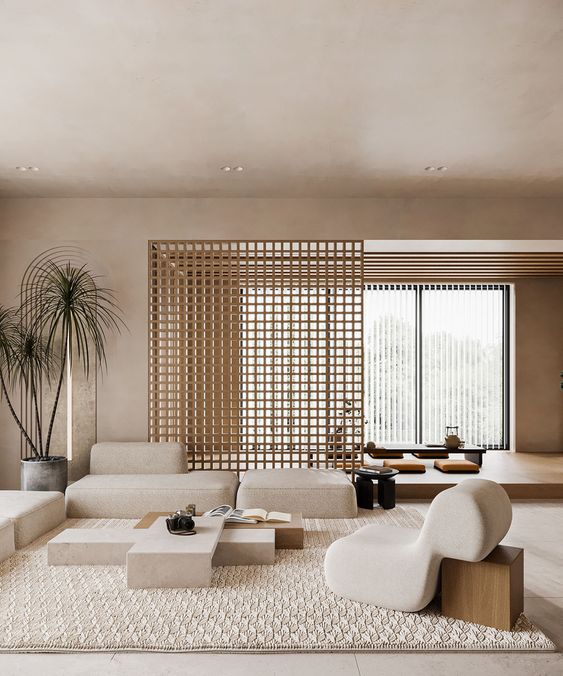
19. Wooden Partition Show Tatami Space
Cc: Pinterest
Eliminate walls or doors for the tatami room. You can apply the open-plan concept here so that your house can feel more spacious. However, still provide a visual barrier between the tatami room and other rooms. You can use a wooden floor for the tatami room. For the partition, you can choose timber or wooden partition which has small holes that can show the tatami rooms from other rooms. Take advantage of this partition as a decoration to make your home’s interior look attractive by installing it in a third or a quarter of the tatami area.
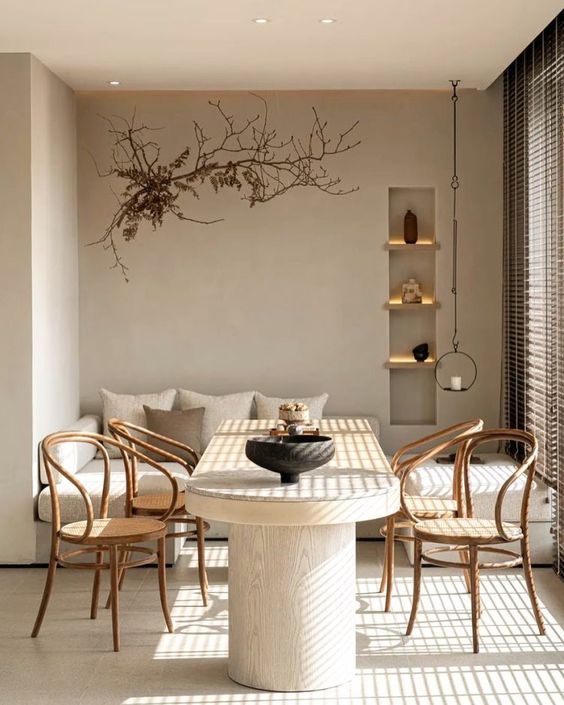
20. Cozy Dining Room with Sofa In The Corner
Cc: Pinterest
The next of 23 Serene Japandi Interior Design Ideas You Will Love is a cozy dining room with a sofa in the corner of it. With a sofa, you can not only use the dining room as a place to eat food. Take advantage of the serenity created by Japandi interior design to relax yourself and your mind. And, with a sofa, you can relax very comfortably for a longer time.
Avoid excessive lighting by installing blinds on the windows. For walls, leave them blank without decorations. Or, you can also stick a sticker as an interesting touch there.
21. Bookshelves Enhance The Room
Cc: Pinterest
Forget your desire to keep books in boxes or warehouses. From now on, take advantage of your precious books as decoration to enhance your Japandi living room design.
Create floating bookshelves along the living room wall. Put the books neatly there. You can also place some displays such as pictures, small jugs, statues, action figures, etc which can add aesthetic value to the living room. Please do not fill the bookshelves completely. Keep giving it a cavity so it does not seem messy and tight.
22. Ivory White and Concrete Make It Looks Neutral
Cc: Pinterest
Concrete is usually applied in industrial design. However, because it looks natural, you can also bring concrete to the Japandi interior design. As in this one idea that makes a concrete wall for the living room. The natural gray of the concrete blends well with the white and ivory and works together to make the room look neutral.
It looks so natural with natural light coming in through the window. Also, there is a simple large plant right in the corner of an empty room that fills the room and also adds a beautiful and aesthetic look.
23. Make Shelves as Partition
Cc: Pinterest
The open-plan concept is one way to make a home’s interior feel wider. The disappearance of the walls makes the rooms stay together. However, that does not mean you do not provide a barrier that still limits between rooms. You can provide a visual barrier by using a different rug or pendant lamp. Or, you can also use partitions where one room is still visible from other rooms.
This one idea uses bookshelves as a partition between the living room and dining room. This partition is made minimalist by only being filled with a few books and items. There is a lot of space that can show the dining area very well from the living room.
Final Words
Japandi interior design uses wood material predominately. Combining wood with neutral colors brings warmth and serenity that can make home interiors feel comfortable. And also, the minimalist concept is the main thing in this design. That way, tranquility can be perfectly present in the room. Besides that, this design also uses plants as natural decorations where plants bring freshness and also make the room feel more alive.
When it comes to interior design, there are numerous elements that play a pivotal role in creating a harmonious and visually appealing space. Among these, mirrors stand out as versatile and transformative tools that can significantly enhance the aesthetics of your interiors.
Mirrors are more than just functional items; they possess the power to amplify light, create the illusion of space, and add a touch of elegance to any room. CK Interior Design Company in Dubai is a leading firm the helps you to enhance the beauty of your home and workplaces with our interior designers. In this blog post, we will explore the various ways you can leverage the power of mirrors to elevate your interior design game.
5 Ways to leverage the power of mirrors to elevate your interior design
1. Amplifying Light and Brightness
Mirrors are renowned for their ability to reflect light, making them invaluable in brightening up any room. Placing a mirror strategically across from a window allows it to capture natural light and distribute it throughout the space, effectively making the room feel larger and airier. This technique is particularly useful in rooms with limited windows or in spaces that tend to be dimly lit.
Additionally, mirrors can be used to enhance artificial lighting. By strategically positioning mirrors near light fixtures, you can bounce and diffuse light, eliminating harsh shadows and creating a warm and inviting atmosphere. Mirrored furniture, such as coffee tables with reflective surfaces, can also contribute to light diffusion, adding a touch of glamour while brightening up the surroundings.
2. Creating the Illusion of Space
If you have ever felt that a room was too small or cramped, mirrors can be your secret weapon to combating such spatial limitations. Mirrors possess the remarkable ability to visually expand a space by creating the illusion of depth. When positioned correctly, mirrors can give the impression that the room extends beyond its physical boundaries.
For a small living room, consider placing a large mirror on one wall. This not only reflects the existing decor but also gives the illusion of a larger room. In narrow hallways, mirrors can be positioned at the end to make the space appear more open and inviting. Mirrors in the dining area can reflect the table and chairs, making the room feel grander, especially when hosting gatherings.
3. Adding a Touch of Elegance
Mirrors have a timeless quality that exudes elegance and sophistication. Incorporating mirrors into your interior design can elevate the overall aesthetic of the space. Whether it’s a beautifully framed mirror in the entryway or a full-length mirror in the bedroom, these reflective surfaces can instantly upgrade the visual appeal of the room.
Consider using mirrors with intricate frames that complement the decor style of the room. Ornate frames can add a touch of classic luxury, while sleek and minimalistic frames contribute to a contemporary and modern atmosphere. Furthermore, mirrored furniture, such as console tables or chests with reflective surfaces, can serve as focal points, making a striking statement in the room.
4. Playing with Visual Balance
Mirrors also offer an effective way to balance the visual composition of a room. If a space feels cluttered or lacks cohesion, mirrors can help establish symmetry and harmony. Placing identical mirrors on either side of a fireplace or above a bed can create a sense of balance that enhances the overall aesthetic.
Furthermore, mirrors can be used to highlight architectural features or artworks. By positioning mirrors adjacent to interesting architectural elements or works of art, you can draw attention to these focal points and amplify their impact. This technique not only adds depth to the room but also showcases your interior design choices in a captivating manner.
5. Choosing the Right Mirror for the Space
When incorporating mirrors into your interior design, it’s essential to choose mirrors that complement the style and scale of the room. Large mirrors work well in spacious rooms, while smaller mirrors can be used to create focal points in more intimate spaces. Consider the frame design, color, and finish to ensure that the mirror seamlessly integrates with the existing decor.
Conclusion
In the realm of interior design, mirrors are an indispensable tool that can dramatically enhance the aesthetics of your space. Their ability to amplify light, create the illusion of space, add elegance, and achieve visual balance makes them a must-have element in your design toolkit. Get in touch with best interior designer in Dubai for state-of-the-art interior designing services.
By strategically placing mirrors, you can transform the atmosphere of a room and create a sense of depth and sophistication. Whether your style is classic, modern, or eclectic, mirrors offer a versatile and powerful way to elevate your interiors to new heights of beauty and charm. So, embrace the power of mirrors and watch as your living spaces come alive with light, space, and elegance.
As the global community faces the urgent need to combat climate change, the transition to renewable energy sources has become paramount. Renewable energy offers a sustainable and clean alternative to fossil fuels, making it a crucial component in achieving carbon neutrality. Let us deep dive into the role of renewable energy in the pursuit of carbon neutrality, highlighting its environmental, economic, and social benefits.
Understanding Carbon Neutrality
Carbon neutrality refers to achieving a balance between the amount of greenhouse gas emissions produced and the amount removed from the atmosphere. It entails reducing carbon emissions as much as possible and offsetting the remaining emissions through activities that remove or reduce greenhouse gases, such as reforestation or carbon capture and storage.
The Environmental Benefits of Renewable Energy
Renewable energy sources, including solar, wind, hydro, geothermal, and biomass, emit little to no greenhouse gases during operation. By replacing fossil fuels with renewable energy, we can significantly reduce carbon emissions and mitigate the effects of climate change. Renewable energy also helps to conserve natural resources, protect ecosystems, minimize air, and water pollution, and work towards carbon neutrality.
Economic Advantages of Renewable Energy
The transition to renewable energy offers numerous economic benefits in terms of carbon neutrality. It creates jobs in manufacturing, installation, operation, and maintenance of renewable energy infrastructure. Additionally, renewable energy can enhance energy security, reduce dependence on imported fossil fuels, and stabilize energy prices over the long term.
The Role of Renewable Energy in Decentralization and Energy Access
Renewable energy promotes decentralization by enabling the generation of electricity at smaller scales, closer to the point of consumption. This decentralization enhances energy security and reduces vulnerability to disruptions in centralized power grids. Furthermore, renewable energy can improve energy access in remote and underserved areas, empowering communities and fostering socio-economic development.
Integrating Renewable Energy into Various Sectors
1. Power Generation
Renewable energy plays a crucial role in achieving carbon neutrality. By investing in large-scale solar and wind farms, hydroelectric plants, and geothermal facilities, countries can transition to a cleaner and more sustainable energy mix.
2. Transportation
The transportation sector is a major contributor to carbon emissions. The adoption of electric vehicles (EVs) powered by renewable energy sources can significantly reduce greenhouse gas emissions and dependence on fossil fuels. Furthermore, renewable energy can be used to produce sustainable aviation fuels and biofuels, further reducing the carbon footprint of the transportation industry.
3. Buildings
Renewable energy can be integrated into buildings through rooftop solar panels, geothermal heating and cooling systems, and efficient energy management. This not only reduces carbon emissions but also lowers energy costs and enhances energy efficiency.
Overcoming Challenges and Promoting Renewable Energy Adoption
While renewable energy offers tremendous potential, there are challenges to overcome. These include the intermittency of certain renewable sources, the need for energy storage solutions, grid integration, and policy frameworks that support renewable energy deployment. Governments, businesses, and individuals must collaborate to address these challenges, invest in research and development, incentivise renewable energy adoption, and establish favourable regulatory environments.
Collaboration between governments, businesses, and individuals is essential for the successful integration of renewable energy into the energy landscape. Governments must set ambitious renewable energy targets and establish supportive policies, such as feed-in tariffs, tax incentives, and regulations that encourage clean energy investments. Businesses can lead the way by investing in renewable energy projects, adopting sustainable practices, and promoting the use of renewable energy throughout their supply chains. Individuals can further contribute by making sustainable energy choices, such as installing solar panels, supporting renewable energy initiatives, and advocating for renewable energy policies.
In today’s competitive business landscape, managing operational costs is essential for every company’s success. Energy expenses, a significant component of operational overhead, can greatly impact a business’s bottom line. As a result, businesses need to be diligent when choosing an energy provider to ensure they get the best possible deal. Comparing different business energy quotes is a crucial step in this process, but it requires careful consideration of various factors. Here we will discuss the key elements that businesses should weigh when evaluating and comparing different business energy quotes.
1. Type of Energy Contract
One of the first factors to consider is the type of energy contract being offered by the supplier. Generally, there are two main types of energy contracts: fixed-rate and variable-rate. A fixed-rate contract locks in a specific energy rate for a predetermined period, providing stability and predictability in energy costs. On the other hand, a variable-rate contract fluctuates with market prices, offering potential savings when energy prices are low but exposing the business to price hikes during periods of volatility.
Businesses should carefully assess their risk tolerance and financial situation to determine which type of contract aligns with their needs. Fixed-rate contracts provide budget certainty, which can be particularly beneficial for long-term planning, while variable-rate contracts might be suitable for businesses that can absorb price fluctuations.
2. Contract Duration and Flexibility
Contract duration is another essential factor to consider. Energy contracts can range from short-term agreements (e.g., 1-3 years) to long-term commitments (e.g., 5-10 years). Longer-term contracts often come with lower rates, but they may limit the business’s ability to take advantage of potential market changes or technological advancements. Conversely, short-term contracts offer flexibility but may come with slightly higher rates.
Businesses should assess their growth projections, energy consumption patterns, and industry trends to determine the appropriate contract duration. A balance between cost savings and flexibility is crucial to making the right choice.
3. Energy Pricing Structure
The pricing structure of the energy quote is another factor that requires careful consideration. Some suppliers offer all-inclusive pricing, which bundles all charges into a single rate, making budgeting simpler. Others might have a more complex pricing structure with separate charges for energy supply, distribution, and transmission. It’s important to understand the various components of the pricing structure and how they contribute to the overall cost.
Comparing different pricing structures can help businesses make an informed decision about the true cost of energy from each provider. Transparency in pricing is key to avoiding unexpected expenses down the line.
4. Additional Fees and Charges
Beyond the energy rate itself, businesses should inquire about any additional fees and charges that might be associated with the energy contract. These could include administrative fees, connection charges, early termination fees, and more. It’s essential to have a clear understanding of all potential costs to accurately compare quotes from different suppliers.
Carefully reviewing the terms and conditions of the contract can help businesses identify potential hidden fees and avoid any unwelcome surprises in the future.
5. Renewable Energy Options
As sustainability becomes increasingly important in business operations, many companies are seeking renewable energy options to reduce their carbon footprint. Some energy providers offer renewable energy sources such as solar, wind, or hydroelectric power. While renewable energy options may come at a slightly higher cost, they align with corporate social responsibility goals and can enhance a company’s reputation.
Businesses interested in incorporating renewable energy should evaluate the availability and cost of these options within the energy quotes. Investing in renewable energy can have long-term benefits for both the environment and the company’s image.
6. Customer Service and Support
Reliable customer service and support are crucial when dealing with energy providers. Businesses should research the reputation of potential suppliers by reading reviews, checking their customer service track record, and inquiring about their responsiveness to queries and concerns. A provider that offers excellent customer support can help address any issues promptly, ensuring uninterrupted energy supply and a smooth operational experience.
7. Contract Termination Terms
While businesses aim for stable, long-term energy contracts, circumstances may change, necessitating contract termination. It’s essential to carefully review the contract termination terms, including notice periods and any associated fees. Understanding the process for ending the contract can prevent unexpected costs or difficulties if the need to switch providers arises.
8. Supplier Reputation and Financial Stability
The reputation and financial stability of an energy supplier are critical factors to consider. A well-established and financially stable supplier is more likely to honor its commitments and provide consistent service. Researching the supplier’s background, financial health, and industry standing can help businesses make an informed decision about the reliability of the company.
9. Energy Efficiency and Usage Analysis
Before comparing business energy quotes, it’s valuable to conduct an analysis of the company’s energy usage patterns. Understanding peak usage times, seasonal fluctuations, and areas where energy efficiency improvements can be made can provide valuable insights. Armed with this information, businesses can better assess which energy quotes are most aligned with their consumption needs.
10. Negotiation and Customization
Businesses should not be afraid to negotiate with potential energy suppliers to customize the terms of the contract to their advantage. Depending on the business’s energy consumption and specific requirements, suppliers may be willing to adjust pricing, contract duration, or other terms. Engaging in negotiations can lead to a tailored energy solution that better meets the company’s needs.
11. Future Energy Trends and Innovation
In today’s rapidly evolving energy landscape, staying abreast of future energy trends and technological innovations is crucial. Businesses should consider whether potential energy providers are at the forefront of embracing renewable technologies, energy storage solutions, and smart metering. Adopting these advancements not only contributes to a more sustainable future but can also lead to long-term cost savings and operational efficiencies.
12. Energy Consumption Reporting and Monitoring
Transparency and accountability in energy consumption are becoming increasingly important for businesses, both from an environmental and cost perspective. Some energy providers offer detailed energy consumption reporting and monitoring tools that allow businesses to track their usage patterns in real-time. These insights can empower businesses to identify opportunities for energy reduction and optimize their operations.
13. Local and Global Energy Market Insights
Factors such as geopolitical events, regulatory changes, and market dynamics can significantly impact energy prices. Businesses should consider seeking insights into both local and global energy markets to better anticipate potential fluctuations in prices. This foresight can inform decision-making when selecting an energy provider and negotiating favorable terms.
14. Comparing Multiple Quotes
To ensure a comprehensive evaluation, businesses should obtain and compare quotes from multiple energy providers. This enables a thorough analysis of the various offerings available, allowing businesses to select the most competitive and suitable option. Taking the time to gather and assess multiple quotes can result in significant long-term cost savings. Compare today’s business energy prices from leading suppliers on Business Energy Comparison and save up to 45% on your business energy rates.
15. Long-Term Relationship and Partnership
Choosing an energy provider should not be solely transactional; it should also be viewed as a potential long-term partnership. Establishing a strong relationship with the energy supplier can lead to better communication, customized solutions, and a deeper understanding of the business’s unique energy needs. A reliable partner can offer valuable advice and guidance to help the business adapt to changing energy demands over time.
Conclusion:
In the ever-changing landscape of business energy consumption, the process of comparing different energy quotes demands a holistic and forward-looking approach. Beyond simply selecting the lowest price, businesses must weigh multiple factors, including contract type, duration, pricing structure, renewable options, customer service, and supplier reputation. By considering the evolving energy market, technological innovations, and the potential for customization, businesses can make informed decisions that not only reduce operational costs but also contribute to a greener and more sustainable future. As energy continues to be a vital resource, meticulous evaluation of energy quotes ensures that businesses remain resilient and adaptable in the face of evolving energy challenges.