We all know how important it is to breathe fresh air. But did you know that the air quality inside your home can be just as important? In fact, the average home is now thought to be up to five times more polluted than the air outside. This is largely due to the trapping of pollutants inside.
So what can you do to improve the air quality in your home and create a healthier environment for your family? Here are four simple tips:
1. Ventilate Regularly
The simplest way to improve indoor air quality is to ventilate regularly. This means opening doors and windows to let fresh air in and stale air out. Do this for at least 15 minutes each day and more if possible. If you live in an area with high traffic or pollution, invest in an air purifier to help filter the air. Combining this with your HVAC system with a high-efficiency particulate air filter will deliver the best results.
Ventilating your home is the best way to get rid of indoor pollutants. It’s also advisable to do an air purity test to determine what is in your home’s air. Consult a nearby professional specializing in air services to get started. Remember that ventilation works best when the weather allows and is only one part of improving the air quality inside your home.
2. Keep Surfaces Clean
Dust and dirt can build up on surfaces, eventually becoming airborne. Regularly cleaning surfaces – especially those that collect dust, like blinds and ceiling fans – can help reduce indoor pollution. Use a damp cloth or mop instead of dry dusting, which can just spread the dirt around.
Focus more on high-traffic areas and those where you spend most of your time, like the living room, kitchen, and bedrooms. In the kitchen, pay special attention to stovetops and range hoods, which can collect grease and other particles. A clean home is a happy and healthy home.
3. Reduce or Eliminate the Use of Toxic Chemicals
Many household cleaners and personal care products contain harmful chemicals that can pollute the air and cause allergies. Look for products labeled “fragrance-free” or “unscented,” as these often have fewer toxic chemicals. When using any cleaning product, be sure to also open windows and doors to let the fumes out. Toxins can accumulate over time, creating an unhealthy environment.
You might also want to consider switching to more natural products, like vinegar and baking soda or specially made “green” cleaners. In the bathroom, look for personal care products labeled “phthalate-free,” as these often contain fewer harmful chemicals. If you have anyone with asthma or other respiratory problems in your household, be especially mindful of the products you use, as they can be more sensitive to chemicals.
4. Bring Plants Indoors
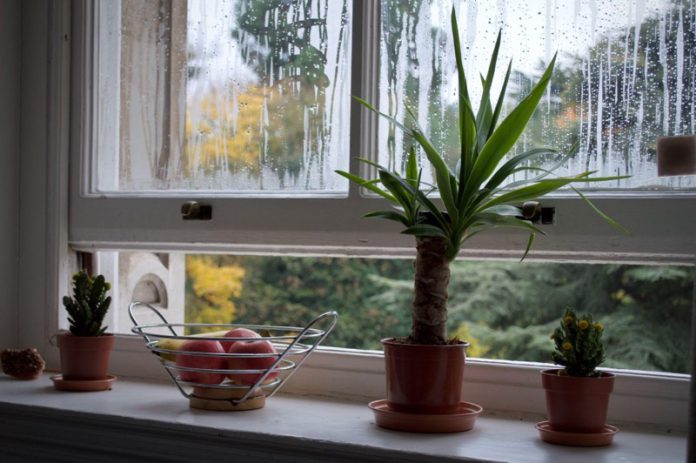
Plants are great for improving air quality. They help filter out harmful toxins and add oxygen to the air. If you don’t have a green thumb, don’t worry – there are plenty of low-maintenance options that are perfect for beginners. Some of the best air purification plants include:
Aloe vera
Bamboo palm
Gerbera daisy
Peace lily
Rubber plant
Spider plant
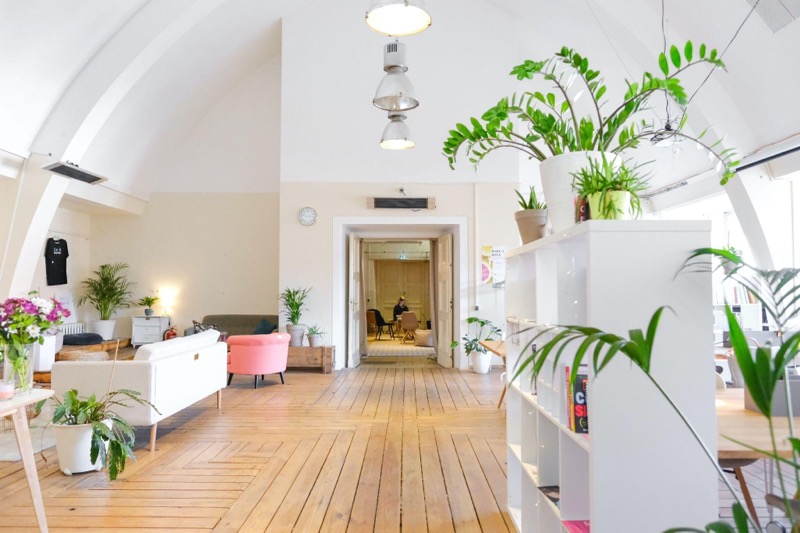
Place the plants around your home, in areas where you spend the most time, such as near your bed, on your dining table, or in the living room. Not only will they help purify the air indoors, but they also add a touch of nature to your space.
Breathe Easier Knowing That Your Air is Cleaner
So there you have it – four simple ways to improve the air quality in your home. By making a few small changes, you can create a healthier environment for your family and breathe easier knowing that the air you’re inhaling is cleaner. Indoor air quality is often overlooked, but it’s important to be aware of the potential hazards and take steps to ensure that the air in your home is as clean as possible.
Do you want your backyard to be a place where you can entertain guests? Or perhaps you want a peaceful place you can relax with a good book? Unlike your front yard, your backyard can be whatever you want it to be! You can plan a relaxing retreat for yourself or a fun place for the family. But no matter what you decide, you want your backyard to be a place you can use and enjoy. In this blog post, you’ll find out how you can do that.
Combine Tonal Colour and Geometric Print with Fabrics
A lot of homeowners struggle with figuring out what furniture to use in their backyard. If you’re one of these people, don’t feel discouraged! Choosing furniture is actually an incredibly simple process. A number of designers say that a great way to choose furniture is to pick colours that you love and then fill your outdoor space with them. If you want to go the extra mile, you can even match those colours with accessories and fabrics to really create a cohesive look!
Another option is to choose pieces that complement your backyard. For example, if you have a pool, you can use patio furniture to keep your guests comfortable as they enjoy a swim.
Make Comfortable Relaxation Facilities Available
You’re here because you’re interested in getting better at backyard design, and there’s a lot to talk about. For example, what makes a good backyard? If you’re someone who loves entertaining, you’ll want some comfortable seating and a nice barbecue. But maybe you just want a nice place to spend an afternoon reading a book? If that sounds like you, you’ll likely want some comfortable seating and a hammock. No matter what you’re looking for, however, the key thing you have to remember is that a cosy space makes it easy to relax and have a good time!
Invest in Outdoor Illumination
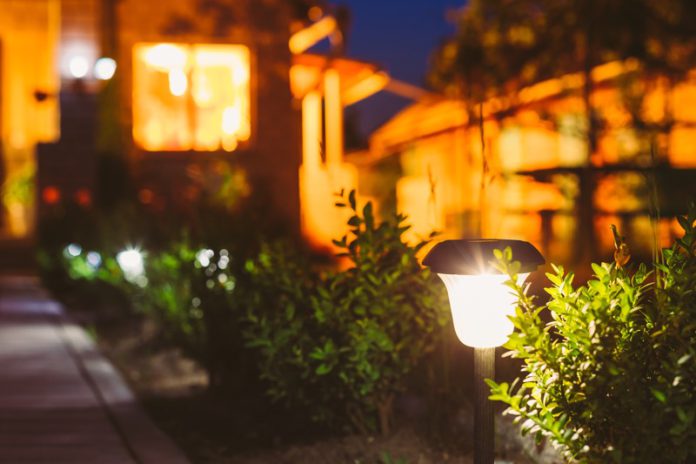
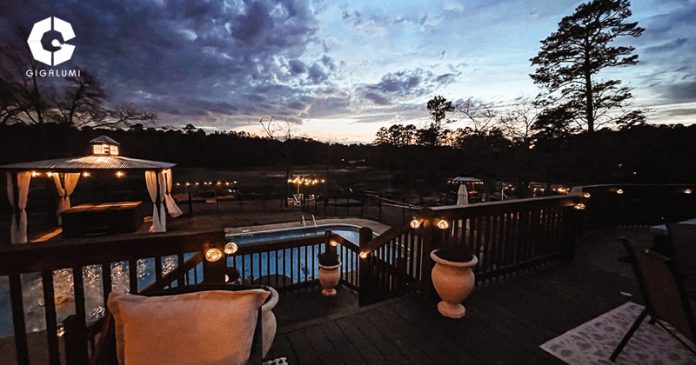
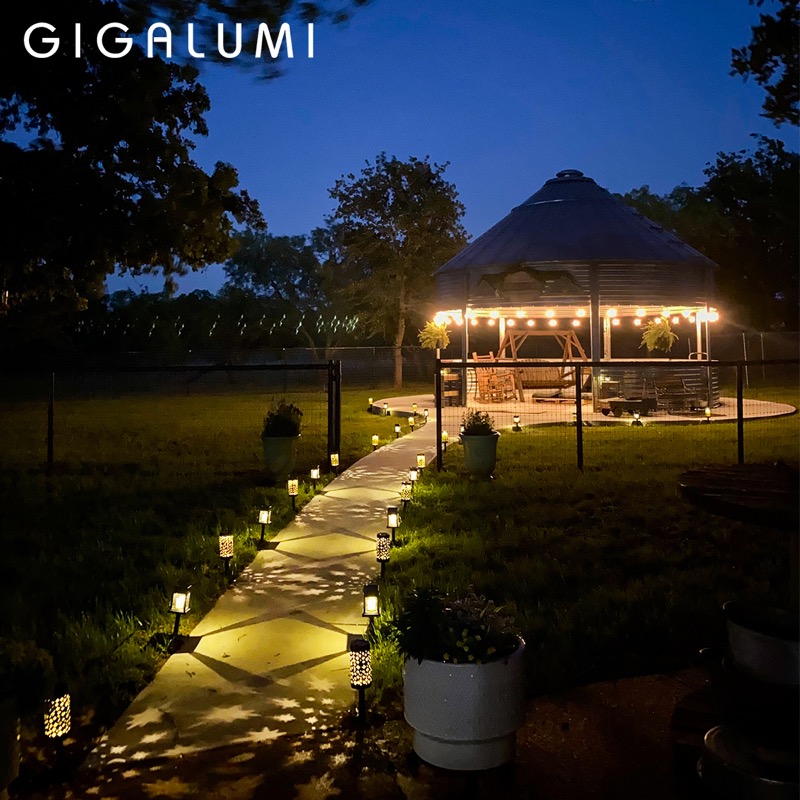
Adding outdoor lighting is a great way to make your backyard more inviting. Not only does it provide a sense of security, but it can also add a touch of luxury and sophistication. There are a number of different types of outdoor lights to choose from, so you can find the perfect one for your needs. Path lights are a great option if you want to highlight a path or walkway. You’ll also find wall lights, which are useful for lighting up an alcove or seating area. And finally, there are post lights, which provide illumination for larger areas such as your patio or garden space.
Build Covered Surfaces With Shade
If you’re looking for a new addition to your backyard, adding some shade can be a great investment. Adding shade to your backyard is a great way to make it more comfortable to relax in. Not only does it provide a place to cool down, but it can also help to keep you out of the sun’s harmful rays. If you’re looking for a way to add some shade, you have a few different options.
You could consider planting some shrubs which provide both food and shade for animals. You could also purchase some shade cloth, which is a light-weight material that is easy to install. Or you could add a pergola to your backyard, which is a larger structure than the other two options. Pergolas have a great aesthetic look to them, and they can be very simple to install.
Construct a Photogenic Patio
If you’re looking for a way to really dress up your backyard, constructing a patio can be a great option. Some of the most popular patio materials include brick, stone, or concrete. An Instagrammable, artificial grass wall means you can take snaps with cocktails, and make memories that last a lifetime!
You’ll also need to decide what kind of furniture you want to place on your patio. If you prefer a rustic look, wooden chairs can be a great option. But if you’re looking for something more modern, metal or plastic chairs might be a better choice. And finally, don’t forget to add some cushions! Cushions can make your patio furniture more comfortable and inviting.
Add Water Elements
Adding water elements to your backyard is a great way to make it more inviting. Not only does it provide a place for you to relax, but it can also be a great place to entertain guests. When designing your backyard, it’s important to keep in mind the look you’re going for. You want to choose a material that is both aesthetically pleasing and practical.
One of the easiest ways to add water elements to your backyard is by installing a small pond or fountain. These can be very simple to build, and they can be easily added into any design scheme. Another option is to create a custom waterfall, which will give you more flexibility in terms of style and shape. Or you could install a swimming pool, which is a more expensive option but one that will definitely make your backyard more inviting!
Establish Privacy in Your Garden
When designing your backyard, it’s important to keep in mind the look you’re going for. You want to choose a material that is both aesthetically pleasing and practical. One of the most important aspects of any backyard is privacy. You’ll want to choose a design that allows you to relax without worrying about who might be watching. Choose a fence that doesn’t block your view of the outside, but still provides some privacy. Privacy is especially important when you’re practising your hobbies. If you’re reading outside, you don’t want to feel like you’re being watched!
A Fire Pit Provides Intimate Ambience
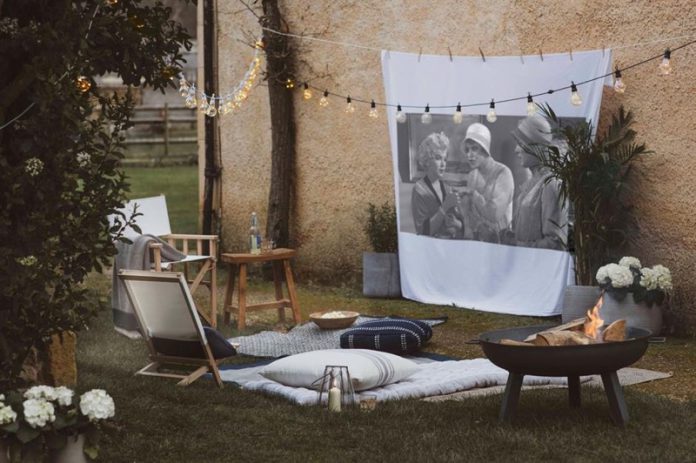
A fire pit can provide a great deal of warmth and intimacy to an outdoor living space. Not only does it provide a place for you to relax, but it can also be a great place to entertain guests.
The fire pit is a very important component of the outdoor living space. A fire pit provides an intimate place for people to enjoy their surroundings and the company of others. When building a fire pit, make sure you have ample room to move around it. It is important to keep a fire pit well maintained to ensure that they are safe to use. A fire pit should be inspected as often as every year. This will allow you to make any necessary repairs. Also, it is a good idea to review a fire pit’s safety features on a regular basis.
Your Vantage Can Be An Advantage
It’s easy to overlook the importance of having a good view. After all, it is just a view; It doesn’t have any real influence on the way your backyard functions. The average person isn’t going to notice a great view, but for someone who appreciates the natural world, it is something that will definitely be memorable. It’s important to remember, if your backyard faces any kind of obstruction to the view, such as a large building or dense trees, it’s not going to feel as open and light as it could be. This is especially important if you’re trying to create that “homey” feel that you get when you’re in a cabin or a log cabin.
Establish a Quaint Dining Experience
Adding a dining area to your backyard is a great way to make it more inviting. Not only does it provide a place for you to eat, but it can also be a great place to entertain guests. Get the most out of your future dining area by putting in a table, chairs and a chandelier as well. There are a few things to think about when adding a dining area to your backyard and with the right planning, you’ll be able to make the most of it!
Consider Using Scented Greenery
If you’re interested in creating your own backyard scented garden using plants that will help you to relax and unwind, there are a few things you can do in order to get started.
The first thing you’ll want to do is to make sure that you have a well-maintained yard so that you don’t have to worry about any weeds or protruding branches or anything else that might stand in the way of your beautiful, lush gardens. You’ll also want to make sure you have some kind of watering system in place so that it’s easy to keep your garden fresh and green. W
hen it comes to adding the greenery, you’ll want to look for plants that have fragrant flowers and scents. Lavender, jasmine and roses are just a few examples of plants that can help you to create your very own relaxing and fragrant backyard!
Given these points…
Adding a personality to your outdoor living space can be easy and affordable. By adding some simple decorations and furniture, as well as landscaping, you can create a space that is perfect for relaxing and entertaining. We hope this article has inspired you to add your own personal touch to your back garden!
Your home’s security should always be your number one priority, especially at night. Apart from installing closed-circuit television (CCTV) and adding a high fence around your property, optimizing your outdoor lighting can also provide good protection for your property. This way, you can illuminate your home and keep break-ins at bay.
Here are some tips on how to secure your home with outdoor lighting:
1. Choose From Various Types of Light
As you ensure that your home is secure with outdoor lighting, you need to keep in mind that the type of light you’re looking for should match its purpose. Each type of light has different benefits, and you need to check which one suits your setup the best.
Some lights are brighter than others, and they also differ in their life spans. While you can easily consult with a professional like Oregon Outdoor Lighting, it would be best if you could have a general knowledge yourself.
Fluorescent Light
If you’re looking for lights with a longer life span, you should opt for fluorescent lighting. Even though it’s the most commonly used light, you should be aware that it’s not capable of certain tasks.
One drawback is their inability to perform well at low temperatures. In short, the bulb’s brightness gets softer as the temperature drops.
Incandescent Light
Another popular type of bulb that you might want to consider is incandescent light. The biggest advantage with this is that you’ll only have a low upfront cost. It’s a great option if you’re low on budget but would like to have great outdoor lighting. However, it has a shorter lifespan, which requires more frequent bulb replacement.
Mercury Vapor
Mercury vapor bulbs are exclusive outdoor lights as they emit an extremely bright white or blue light that can illuminate your property well. Moreover, they also have a long lifespan, requiring less maintenance and bulb replacement.
Sodium Vapor
Going for a high-or low-pressure sodium vapor light bulb would be your best choice if you’d like to have an outdoor light similar to buildings, public parking garages, and roadways. The only difference between the two is that the low-pressure sodium vapor illuminates a brighter light, but they work just the same.
Light-Emitting Diode (LED) Lights
LED lights are commonly used indoors. But an outdoor-grade LED light is best for modern outdoor spaces. They might have a higher upfront cost, but they last longer. And they don’t burn through your electricity bills as they’re highly efficient.
2. Identify Outdoor Lighting Type
If there are different types of light, there are also various lighting types. And yes, they’re not the same. While the types of light focus on the bulb and the lumens, lighting types focus on the usefulness of outdoor lighting. This will help provide proper security for your home while illuminating what might suddenly lurk inside your property.
Motion Sensors
Motion Sensors are the most common type of outdoor lighting because they help you save money and keep your home safe. It works by illuminating the surroundings once the sensor detects something is moving.
Indeed, an intruder will be surprised once the lights turn on. Hence, making them visible on your property and therefore driving them away.
Timed Outdoor Lighting
This type of lighting is an excellent way of mimicking your activity. Even if no one was home, you could program your lights to switch on and off at particular times. These lights may lead passersby to believe that there’s someone in your house. As a result, this lighting protects your home from intruders and keeps them at bay.
Floodlights
If you want to illuminate a vast part of your lawn, you could also use floodlights. They’re great for outdoor lighting, particularly if portions of your property get quite dark, enabling someone to walk by without being seen.
By using floodlights, you can keep your entire property well-illuminated, which could motivate intruders to stay away from your property as anyone can easily spot them lurking inside your lawn.
Small Accent Lights
If you need to illuminate some narrow spaces in your property, using small accent lights could help get the job done. You can use them around your windows and doors to further emphasize your home’s architecture.
In addition, you can install them in your garden, pool, and landscape so you can have a clear view of your outdoor space at night.
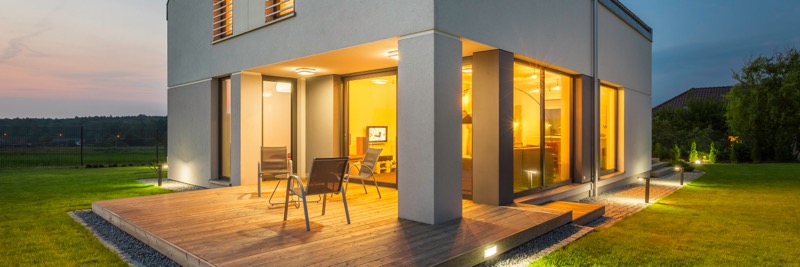
External view of new house at night with lights on inside and outside, panorama
3. Choose Light Location
Having outdoor lights on your property isn’t enough. You still need to strategically place them one by one to ensure that every bulb can truly serve its purpose. For instance, lights that are too close to each other, but the same area is still lit up even if one of the lights is turned off. Avoid this situation so you can save money and use those extra lights strategically.
In addition, make sure to place your bulbs in areas that need light, especially when it gets dark. You could put them above doorways, driveways, or your backyard. This will ensure that all parts of your property are well lit, and everything can be seen once your lights turn on.
On the other hand, if you’re worried about any busted lights, make it a habit to check their condition every night to see if they’re still illuminating well. If you notice that one bulb is starting to get dimmer, you should immediately replace it with a brand new one.
4. Reduce Shadows
Having shadows on your property would be your number one enemy, as it gives intruders the perfect hiding spot. Further, this allows them to sneak onto your property without being seen. Therefore, reducing shadows on your property can help eliminate these chances.
It’s important to keep an eye on your surroundings and note which areas of your property are casting shadows. This is a simple way to save energy and make your home safer. Moreover, this can discourage thieves and burglars from targeting your home, as it’ll be difficult for them to go undetected on your lawn.
Meanwhile, you can observe your property at night to see the potential areas where intruders could hide. This will help you plan what to do, whether you need to replace the bulbs you’re using or if you should rearrange your lights so that these shadows won’t be present.
On the other hand, if replacing the bulbs or rearranging the lights doesn’t fix the issues, you could always consider adding new fixtures to help reduce these shadows. It’s better to spend more instead of dealing with an intruder who entered your home through the shade on your property.
5. Maintain Your Lights
Always make sure that your lights are well maintained. It defeats the point if your lights are broken, since they may cast a shadow, which can turn into a perfect hiding place for intruders. You should keep in mind that these lights help you secure your property and aren’t for display only.
In addition, when these lights aren’t well maintained, it can weaken the security and safety of your property. It’s critical to remember that lights are only useful if they’re properly maintained. So, make sure to have a schedule of maintenance for them. This avoids the inconvenience of losing their light when you’re sleeping or when no one is home.
Moreover, it would be helpful if you could keep some light bulbs in stock so you can quickly replace them once you notice that they’re busted. This will help you save time instead of driving to a store for a quick purchase.
6. Be Mindful Of Your Neighbors
It’s great when your property is illuminated by all those lights you installed. However, while you can keep intruders away from your property, your brightly illuminated home might be affecting your neighbors. This won’t allow them to sleep well or force themselves to switch to blackout curtains to compensate for your home’s intense brightness.
To be mindful of your neighbors while keeping your property well-lit, you should consider where your lights’ directions are. Ideally, everything should be facing your home. In addition, switching to a cooler tone would help avoid distractions for your neighbors. It can also improve your home’s appearance by giving it a soft and classy look.
7. Think Like A Trespasser
One of the best ways you can secure your home from intruders is to think like one. This will give you an idea of which areas of your house need maximum protection, so you can limit them from breaking in.
You can begin by checking their possible point of entry, which can either be your front door or backyard. With that, you need to illuminate those areas well. Because your property is well lit, adding a CCTV camera could also help you record while having a clear view of their face.
Apart from the intruders’ point of entry, you should also check which areas they’re most likely going to hide in. With that, you should add some spotlights or accent lights to these areas to keep your property safe and secure.
Takeaway
Securing your home with outdoor lighting isn’t an easy task. You need to ensure that you properly illuminate your home to keep burglars away while also being considerate of your neighbor’s comfort. With the right planning, you can keep your home safe, putting you at ease every time you sleep.
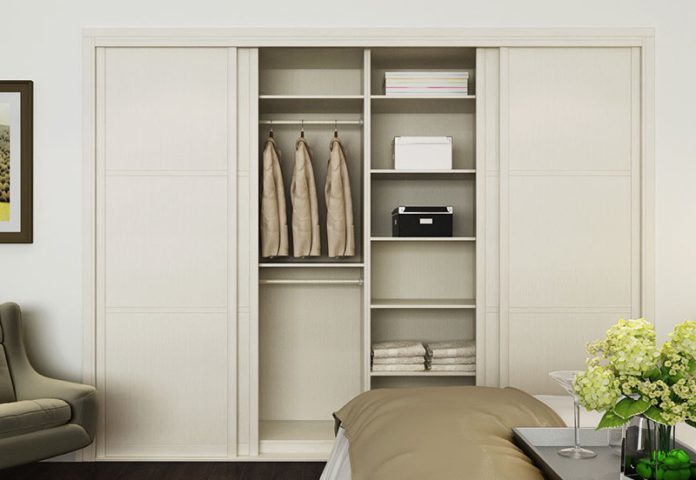
There’s no doubt that most standard apartments require a creative approach to installation. In a relatively small area, people should have everything they need for a comfortable life for the whole family. The perfect solution for many of us is sliding door wardrobes, which impress with their designs and capacity.
In small and medium-sized apartments, where every square centimeter of space counts, you should choose custom-made furniture that will make it easier to arrange even the smallest space.
The sliding door wardrobes can be combined with other elements of the living room or stand out against others, making an important decorative element of the interior, for example, in the original color or with a stylized finish.
Where to place a sliding door wardrobe in an apartment?
For a sliding wardrobe, it is better to choose a steel profile and filling of facades of chipboard, a mirror, panels with finishing from natural materials, a rattan, a bamboo. Mirrored facades are popular. Due to their reflective properties, they help to visually expand the room and make it brighter.
You should also keep in mind the size of the room because the sliding door wardrobe is really functional in small rooms too. This wardrobe will be a great solution for:
Halls
Living rooms
Bedrooms
Storerooms
It fits perfectly into narrow and small rooms, where every square meter is worth its weight in gold.
One of the most crucial elements of such a kind of wardrobe is the door. You can usually choose between a two-door and three-door wardrobe. You have to check them, if the door moves smoothly and the guides are strong and secure, problems with opening and closing sliding doors can really make life difficult. That’s why you should be careful about it, however, if you choose a quality one, your dreams about free space in the apartment will come true.
Ever since Covid-19 hit the world, many people spend the majority of their time inside their homes. Although most homes have the occasional cross-breeze that allows fresh air in, it is estimated that indoor air pollution is at its highest today. What can homeowners do to prevent this serious public health threat? They can start by purchasing an HVAC air filter from a residential air filter supplier. More than owning an HVAC air filter, however, it is also good to change them regularly.
When it comes to cleaning the HVAC air filter in the home, many people put it off until there’s a major issue with the quality of the air. Don’t wait until everyone around you is sneezing to take action. Running your furnace without a filter is quite risky. Why should you change your HVAC air filter is what we’ll discuss in this article.
1. It Protects Your HVAC Equipment
Commercial HVAC filters and residential HVAC filters are required to prevent dirt and dust from accumulating on the system’s motors, fans, and other moving parts. They maintain the equipment clean and extend the system’s life. When your filters become clogged with debris, the free movement of air over the heat exchanger is obstructed. This can eventually result in equipment failure due to overheating.
2. It Improves the Air Quality in Your Home
Your air filters are important for ensuring good indoor air quality. They catch hazardous substances like dust, dirt, pollen, bacteria, spores and pet dander. HVAC filters should be replaced every 30-90 days generally. Every month, inspect them and make a decision based on how dirty they are. Keeping these filters clean allows them to capture as much dirt and debris as possible, ensuring a healthy living environment.
3. It Improves Efficiency
When you frequently replace your air filters, your system will operate more efficiently. The air filter prevents dust and debris from entering the system and ducts. A clean filter prevents obstruction, thereby increasing energy efficiency and decreasing utility costs. In addition to routine inspections and maintenance, replacing the air filter regularly can help extend the life of your system. Those that change their HVAC filters will preserve the efficiency of their system with less wear and tear. This can help to delay the need for significant repairs or replacements.
4. It Ensures You Spend Less On Repairs.
Changing the HVAC filters in your system prevents damage that wouldn’t be necessary. Worn-out air filters lead right to other worn-out parts, like bad blower motors or compressors. Remember that changing the air filters isn’t the only thing you need to do to maintain your AC unit for it to last longer. A tune-up should also be done on your system at least once a year.
Conclusion
For air conditioners and furnaces, there is a large variety of air filters available today. Fibreglass filters, disposable filters, washable filters, and reusable filters are all common options. If you’re looking for the best air conditioner filter for your needs, it’s crucial to analyze the advantages of each filter. It’s also important to follow the manufacturer’s recommendations for the type of filter you use in your HVAC system.
Please feel free to call a representative from Custom Filters Direct. They’ll set up your next HVAC system maintenance appointment and ensure that your home is kept cool throughout the summer and your air is clean throughout the year.
Insurance coverage protects you from potential risks you’re likely to face. Insurance companies, also known as insurers, lift the burden off your shoulders as the person insured. For instance, suppose the risk you’ve insured for happens. Instead of taking care of the damage independently, the insurer will take the burden and compensate you accordingly.
However, compensation only happens if you pay premiums as agreed with your insurance company. On the other hand, a premium refers to the amount of money you’ll regularly pay to the insurer once you take out a policy. Significantly, it’s what the insurance company will use to compensate you.
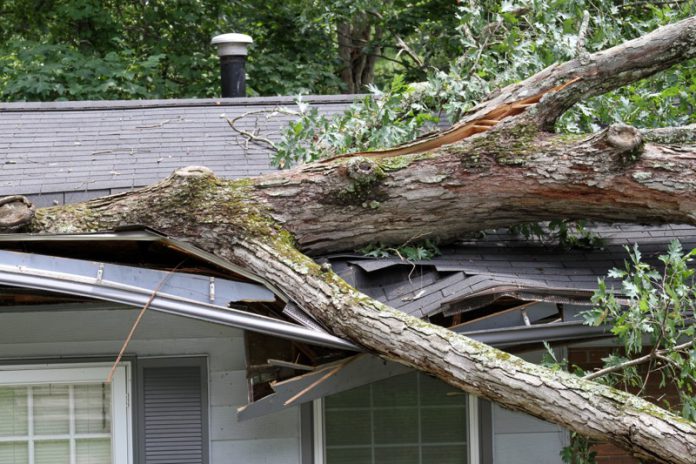
Furthermore, you can seek coverage from many risks, particularly storm damage. If the risk you’ve sought coverage for occurs, you must claim compensation from your insurer. However, there are things you need to factor in as you seek claims.
Young woman female homeowner standing in front of house garage in coat jacket during winter storm holding two roof tile shingles inspecting damage
Here are a few tips to remember as you file a claim:
1. Hire An Adjuster
An adjuster is a trained professional who works to help you get paid by your insurer. It’s important to remember that some insurance companies won’t outright pay you in the event of a risk. They might delay the process or take you in circles, leading to frustration. This is where an adjuster comes in; they’ll eliminate the frustrations.
In addition, the adjuster will follow up on your storm damage insurance claim with your insurance company until they compensate you for the damage. Furthermore, this professional also has negotiating power. Therefore, they’ll ensure you get maximum compensation from the insurer, which will cover your claim adequately.
2. Have Insurance Cover
The most obvious way to avoid stress in the event of storm damage is to have insurance coverage. Without one, you’ll surely get stressed out. Therefore, ensure that you get storm damage insurance coverage with a reliable insurance company.
Having a good reputation is really crucial for an insurance company. You can figure out how trustworthy they are by reading their reviews on Google. If they meet the end of their bargain on claims, you don’t need to worry about storm damage in your home.
However, here’s a quick tip. If you live in an area that’s prone to harsh weather conditions, make sure you choose a policy that covers damage adequately. For example, you choose a cover that only caters to USD$700. A storm happens, and it causes damage worth USD$1500. The cover will only pay USD$700, leaving you to worry about the pending damage.
3. Perform An Inspection
There must be damage to your property to seek storm damage insurance claims. However, you need to prove the damage. Therefore, immediately after a storm, go outdoors and assess your home. Since it’s your property, you’re aware of its previous condition and you’ll be able identify the changes.
It’s very important to take photographs of the damage all around your home. A video should suffice, showing all the damage. Use photographs to take up-close images to show the actual damage. Once you have all the evidence, you’ll use it to get the claim from your insurance provider.
4. Follow The Right Procedure
Insurance companies operate differently. Therefore, procedures upon the occurrence of risk differ too. As a result, it’s best to familiarize yourself with those of your insurance company. You’ll be able to find these details in your policy document.
Most providers will also inform you of these procedures during your initial meetings. But why is it important that you know these procedures? If you fail to follow the proper steps for making a claim, your insurance company might fail to compensate you. And since you agreed to these terms stated in the signed document, you won’t receive any compensation.
Therefore, if you must call your provider immediately after the occurrence, please do so. If they require any documentation, provide it in a timely manner; the same applies to evidence of the damage.
As you follow all necessary procedures, ensure that you keep records of them, including the date and time. Some companies might claim you didn’t do something, even though you did. Significantly, your records should prove that. You need not worry about getting your storm damage insurance claims if you follow all procedures correctly.
Conclusion
Filing an insurance claim can be frustrating if you lack proper guidance. However, this shouldn’t worry you anymore. This article has given you tips to ensure you don’t stress over storm damage insurance claims. Be sure to adopt them for a seamless journey with your insurance provider.
Reference:
Diaz Loaiza, Manuel Andres, et al. “Development of damage curves for buildings near La Rochelle during storm Xynthia based on insurance claims and hydrodynamic simulations.” Natural Hazards and Earth System Sciences 22.2 (2022): 345-360.
Solar lamps are the perfect solution to illuminate the exterior of your home, we leave you 5 reasons for you to opt for them.
When the weather is good, spending the nights in our garden is something that is greatly appreciated. But, to enjoy reading or watching a movie on the tablet sitting on the sofa in the garden, we need this space to be well lit. Given all the alternatives that exist to achieve this, we suggest that you opt for solar lighting. Among its advantages is that it is more sustainable, that you will not need a plug and that you can create the most welcoming environments with it.
A solar lamp consists of three parts: a solar panel, to transform the sun’s energy into electricity, an energy storage system and a lighting system that provides light.
Advantages of solar lighting in your garden
– It does not require installation: it does not need wiring or plugs and you can place solar garden lights anywhere, as long as they can receive solar radiation during the day.
– Reduce electricity consumption: it is a more sustainable energy for your home. You can leave them on all night without thinking about the expense.
– They have great autonomy: they can stay on for 3 to 6 hours or even more, depending on the battery of the model in question. The higher the battery capacity (mAh), the longer the light emission time will be offered by the lamp.
– They are ecological and sustainable: as it uses a natural and renewable energy source, it is a totally sustainable option. Solar lamps considerably reduce the amount of pollutants that affect the atmosphere.
– They are safer: without cables, plugs or electricity, solar lighting is the safest for children, adults and pets. You can place them near any wet area of the garden without risk of electrocution.
Types of solar lamps
You can find two different types, those that provide direct lighting and those that create environments thanks to indirect light. Depending on what you are looking for, you will opt for one or the other and you can also combine them to create the space you always wanted.
How to choose solar lamps?
Before buying solar lamps you must take into account a series of aspects that are the following:
– Choose the ones that you can have the option to decide if you want them to turn on or not when there is no sun.
– If what you need is to use these lamps in passageways, the best thing is that they have a motion sensor. For example, in a hallway, a storage room or a garage.
– If you are going to place the solar lamps outdoors (garden or terrace) you must make sure that they are waterproof.
– As for the battery, the most common is that it is lithium and rechargeable. Look at the duration.
– If you want to adjust the intensity of the light, there are some models in which it can be done.
– Take into account the opinions of users about each product to be able to choose the best one according to what you need.
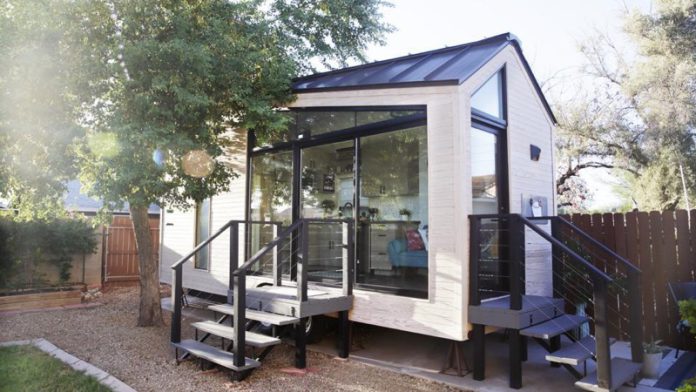
The popularity of tiny homes has been on the rise due to high housing and rental prices. In a recent poll, nearly 65% of millennials said they would consider buying and living in a tiny home. One way that people have begun to transition tiny home living into their lives is by building a tiny home in their backyard.
Tiny homes are advantageous for numerous reasons. They lower your cost of living, you’ll have less clutter, spend less time cleaning, and you can lower your carbon footprint.
Tiny homes can also be a great addition to your backyard if you’re already a homeowner. Adding a tiny home to your backyard also will increase your property value. Backyard tiny homes can help you expand your current living situation, offering you space for an office, guest room, a home gym, or whatever use you see fit. However, building a tiny home in your backyard is no small task.
Going in without doing the proper research and planning can lead to chaos. Luckily, as the tiny home movement rises so does information being shared about them. There are plenty of tools online to help you learn more about building a tiny home and guide you throughout your build. Below, we’ve put together five tips that are sure to help when building a tiny home in your backyard.
Check your local regulation
Before getting started with your tiny home construction check your local regulatory guidelines. The rules and regulations for building tiny homes on your property will vary in each city, county, and state. Sometimes there are no restrictions, but in most cases, you’ll have to speak with your local government agents. Tiny House Society has an entire portion of their website you can check out that is dedicated to local regulations, which is updated frequently for reference.
Get inspired
Take time to get inspired and excited about your tiny home. If you’ve never lived in a tiny home before, plan a trip to stay in a tiny home on Airbnb or VRBO. It can be helpful to have first-hand experience or knowledge before starting your build. You’ll be aware of mistakes to look out for be more likely to succeed in bringing your tiny home dreams to fruition. Visit and stay in tiny homes and speak with tiny home owners.
Begin curating inspiration. Look into Pinterest boards to find images that will help inspire your tiny home’s build and design. If you’re an amateur who is building and installing the furniture yourself, think about watching some tiny house-building videos on YouTube or talking to tiny home experts.
Create A Budget
A budget is paramount for building your tiny home. During your build, unexpected expenses can pile up, so it’s also suggested to have an emergency budget set aside, in case anything were to go array or cost more than you anticipated.
Think about what you’re planning on including in your tiny home. Most of the furnishing pieces for tiny homes will need to be customized, as the dimensions are so much smaller than ordinary install requests.
Electronics, plumbing, and appliance installation can also get expensive without proper planning. If you aren’t savvy with building and installing electrical equipment, it’s a good idea to start vetting the best backyard tiny home builders in your area. Based on the quotes you get from different vendors, create a budget so you aren’t left scrambling to find the money for your project while it’s in the midst of construction.
Don’t Shrink All Your Spaces
One of the mistakes that amateur tiny home builders make is shrinking everything. Just because you’re creating a tiny home doesn’t mean everything in your home needs to be tiny. If you shrink your living spaces too much, it will affect the quality of your tiny home. You want to build a tiny home that’s conducive to the activities you plan on doing in it and the needs of your family.
For example, make sure to leave ample space in your recreational and cooking area. If you’re including a bathroom, take the measurements of your family members’ heights to make sure no one is cramped.
Invest In Weather-Proof Materials
Weather-proofing your tiny home is crucial to its long-term survival. Even if you live in an area that doesn’t get much rain, you should go above and beyond to ensure no water leaks into your tiny home. Be sure to think about the weight of the materials you choose as well, as most tiny homes need to be below a certain weight.
Take time to install your roofing properly, making sure you have the proper ventilation and insulation installed to aid against harsh weather. When installing windows, try to get laminated glass. Tempered glass is a great alternative to laminated glass, and it’s on the less expensive side.
Art is an expression of the human form and when you find that special piece of artwork that ignites the spark in your soul, we know that you’ll want to protect your artwork for years to come.
In addition to enjoying the visual aspects of artwork, many pieces of art are often an expensive investment or irreplaceable one of a kind piece or family heirloom. If you’re the owner of a piece of fine art, we know you want to work hard to avoid any damages from the environment or physical damages that can often be caused when moving artwork.
“There is an art to providing the protective means to ensure everything arrives in the condition it is received – time after time, after time,” says Classic F.A. Packers & Shippers, a company focusing on art collections shipping in New York. If you’re planning a move, home renovations, or other activity that may require proper art storage and shipping, you’ll want to ensure you are making an informed decision in choosing the proper shipping and storage facility to avoid any damages to the special piece.
Make Sure Storage Facilities are Climate Controlled
When choosing an art storage company, it’s extremely important to make sure the art is stored in a climate controlled facility. Changes in temperature and humidity can cause a variety of damages like yellowing of paper, cracking paint, or mold buildup. Certain paints may melt if exposed to high temperatures for an extended period of time and sculptures may crack due to expansion and contraction that occurs under extreme temperature changes. It is recommended that fine art be stored at temperatures between 70-75 degrees Fahrenheit and relative humidity at 40-50% to avoid any climate related damages. Many art storage facilities have insulated walls, air conditioned warehouses, and advanced ventilation systems.
Ask About Security Measures
Another important aspect to consider when choosing a fine art shipping company is security. Many art pieces are an expensive investment that buyers want to protect. Most companies that specialize in fine art shipping and storage have security cameras and alarms throughout the facility, but it’s important to make sure the cameras are being monitored 24 hours a day, 7 days a week by security personnel. Additionally some facilities will have security guards on site 24 hours a day. It’s important to determine if the alarms will alert emergency personnel in the event of an emergency. Facilities should be equipped with sprinkler systems in the event of a fire related emergenc. Other security measures to look for when choosing a company include controlled access entry via a pin number or key card, a barcode inventory system, and security measures for art owners interested in viewing their stored piece.
Invest inInsurance
Most fine art shipping and storage companies require their clients to obtain insurance for their fine art collection prior to storage. Obtaining insurance will ensure the owner of the collection is protected from financial losses as well as help the company avoid liabilities in the event that a damage may occur. Additionally, your insurance broker will be able to provide guidance when choosing a company through experience working with reputable facilities or via a list of approved companies vetted by the insurance company provider.
Research Staff Qualifications
This may be one of the most important qualifications to look for when selecting an art shipping and storage company. Although insurance and environmental preparedness are paramount, they cannot protect your collection from human error. Although there are no formal educational requirements for art storage workers, experienced workers will often have a background in museum studies, art history, or studio arts. Classes in these subjects will often provide a great deal of background information for graduates to understand the importance of art handling and steps to take to avoid causing any damage when moving fine art pieces. Qualified art handlers should be well versed in typical fine art handling practices like wearing latex or cotton gloves to handle artwork, ensuring artwork is thoroughly cleaned and dried before storage, and using appropriate packaging materials when wrapping framed paintings.
Check the Certifications
In addition to having qualified employees on staff who understand the handling of fine art pieces at their facility, customers should ensure that shipping companies have your artwork covered every step of the way. Customers should be encouraged to ask about certifications for international shipping to ensure they are choosing a TSA Certified Cargo Screening Facility that is licensed for import/export of cargo by US Fish & Wildlife Services and any additional government authorities to ensure a smooth, hasslefree movement of your artwork.
Natural Disaster Preparedness
Lastly, making sure that an art storage company is prepared in the event of a natural disaster may be an important discussion especially for facilities located in high risk areas. An experienced facility will have certain measures in place in the event that a natural disaster may threaten the artwork stored at their facility. This includes installing measures like backup generators in the event of a power outage, having an evacuation plan that clearly outlines the responsibilities of employees as well as the owner, and how the facility will communicate with you in the event of a natural disaster or weather related emergency. Some newer facilities have incorporated additional architectural reinforcements in the event of a natural disaster. A highly qualified facility should be able to share the details of their Business Contingency Plan with clients to make sure the client feels comfortable storing their collection at the facility.
Sleep is like a wonder drug for our bodies. Not only does it lower blood pressure, balance your blood sugar and ward off disease but also depression.
Having a good bed is the key to getting a good night’s rest. If you’re tossing and turning on an uncomfortable mattress, that doesn’t lead to good sleep.
Actually going from a bad bed to a good bed can lower your stress levels! You can find the best one.
Getting a Comfortable Mattress
The key component is the mattress you’re using. Different people know what they like, whether firm or softer. There are different types on the market:
Innerspring
Foam – polyurethane memory foam, natural latex and synthetic latex
Hybrids are the most common.
However, it needs to be of sufficient quality, such as mattresses from Divan Bed Centre. Experts tend to agree that medium firmness is good for spine alignment and quality rest.
Memory foam mattresses have grown in popularity. Many people like the feeling of sinking into it, and find it decreases body aches and pains.
However, latex foam is actually better for the body. That’s because it doesn’t put as much pressure on the body and doesn’t get as warm.
Adjustable firmness is a big plus in a mattress, but you will pay a little more for it.
Often people sleep on mattresses that aren’t good quality because they don’t have a big budget. However, cheaper mattresses have a shorter lifespan, so it’s a false economy.
The Importance of a Good Bed
Of course, having a mattress on the floor isn’t a good idea either. You need to have a decent bed to support it.
When you have a good bed, it will last for years. It’s important that it is structurally sound, as you don’t want to wake up crashing onto the floor.
When you’re young or live in furnished accommodation, you may not have a choice. However, if you think of how many good night’s sleep you sacrificed, you may be alarmed.
What Happens if You Don’t Sleep Well?
The first thing that you notice from not sleeping well is the tiredness. This makes you grumpy, listless and you’ll find it hard to concentrate.
No one likes being tired, but that is just one indicator of bad sleep. Others include:
Forgetting Things: Do you struggle with your memory? If you don’t get enough shuteye, your brain can’t lock in your memories.
Skin Problems: A lack of sleep can cause fine lines to build up, make your skin uneven and cause breakouts.
Lower Immunity: Not sleeping properly can affect your immune system. This means it’s hard to fight off viruses and illness.
Low Sex Drive: When you’re tired, you’re not in the mood. Over the long term, your sex drive can be reduced 10% – 15% due to hormone changes.
Breathing Issues: If you’re not getting at least 7 hours, this can affect your breathing pattern. This makes you more likely to catch cold, flu or other respiratory infections.
Weight Gain: Believe it or not, pre-bed snacking can also be blamed on lack of sleep. The brain reduces your levels of leptin, increases your levels of ghrelin and voila, you need sugar.
Diabetes: As well as the problems above, you don’t produce enough insulin if you’re not sleeping enough. This can lead to diabetes.
Heart Problems: More bad news. If you’re sleeping less than 5 hours per night, you’re more susceptible to heart attacks and strokes.
None of those are much fun! It makes more sense to get 7 – 9 hours of sleep regularly so that you can stay fully functional.
A Good Bed + Calm Environment = Nights of Sleep
Invest in your favourite from the Divan Bed Centre, and you’ll be at least 80% of the way there. Other things you can do to ease yourself into a dreamy sleep are:
Put down your phone at night, preferably an hour before sleep