Home Blog Page 211

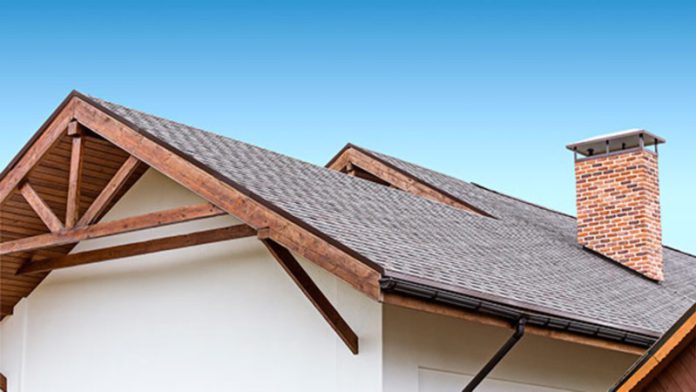
A Chimney Cap Installation Near Me Can Improve Your Home’s Safety

There are several benefits to having a chimney cap installed. They can protect against many different problems that can cause damage to the structure of your chimney, including moisture and small animals. However, you need to hire a professional chimney cap installer to ensure your home is safe. Learn more about the different types of chimney caps and how to get them installed. The pros and cons of each type of chimney cap are discussed below. Read on to learn more about the benefits and drawbacks of installing a new one.

A chimney cap can be a great safety feature. It will keep out debris and protect the chimney from animals. It will also prevent smoke from back-drafting into the home. Without a chimney cover, falling leaves can also build up. In addition, rain can cause damage to metal fireboxes and liners. If the mortar crumbles and cracks, it can rust. The best solution to this is to have a chimney cap installed.

The first step in determining if your chimney cap is in good condition is to check for creosote buildup. A damaged cap may be leaking water or causing the flue to overflow. This is an indication that you need to have a chimney cap installed. A broken or missing one will need to be replaced. If there is a crack or dent, you need to call a professional to fix the problem.

In addition to keeping your fireplace safe, installing a chimney cap will prevent sparks from flying up into the air. While most of the sparks will stay within the fire chamber, some will make it all the way to the top of the chimney. When the chimney is not properly protected, sparks will fly out of the chimney and ignite nearby vegetation. This can be dangerous and requires a chimney cap installation near me. These tips will help you find a chimney cap installation near me and avoid further problems down the road.

The right chimney cap is an important investment. While some can help with drafts, others can actually exacerbate them. Before choosing a new chimney cap, make sure to evaluate the drafting in your home. When you’re in the market for a new one, you should look for a contractor who offers a warranty. It is also important to check the price of the cap. If the cap is not installed correctly, you could end up paying more money than you should for the repairs.

Although a chimney cap doesn’t require a permit, it is still important to check the installation company’s credentials before deciding to hire them. A reliable chimney cap installation service will always have insurance, and they can offer discounts for those who purchase in bulk. They will also be more than happy to install them for you. If they don’t have a warranty, they won’t charge you more than they would for an unlicensed chimney cleaning.

Installing a chimney cap is a good idea for your home. It will help prevent fires by limiting moisture and other debris that may get into the chimney. You won’t have to worry about the cost of the job because chimney caps are made to withstand weather conditions. A chimney cap is an essential piece of equipment that should be installed on your home. It’s important to have a qualified professional to install it because it will protect your home.

A good chimney cap will keep critters out of your chimney. It will prevent raccoons, squirrels, and snakes from gaining access to your chimney. In addition, a mesh-covered chimney will prevent raccoons from building nests in your chimney. Additionally, a mesh chimney cap will keep out pests from living in the house. And, a mesh chimney cap will keep the weather out of your home by preventing fires.

It’s also important to know about the pros and cons of a chimney cap. The screen can become clogged with debris and prevent airflow. The screens can also be damaged by tarnish. The entire structure of your chimney is vulnerable to damage. Therefore, you need to hire a professional to install a new chimney cap for your home. A prefabricated chimney cap will cost between $300 and $650, depending on its size and material.

10 Property Maintenance Tips for Selling Your Home Faster

Have you decided that it’s time to say goodbye to your property? You’re probably hoping to sell it quickly and for a high price, right? Well, if you’ve put in some effort in relation to property maintenance, this is certainly an achievable goal.

In this article, we’ll show you how to take care of your property the right way so you can make a quick property sale. You can rely on the specialized help of an experienced property maintenance company or you can tackle these tasks alone. Whichever case you choose, here are some areas that you should pay attention to.

Property maintenance tips for a quick property sale

  1. When you’re doing chores around the house, paint what needs painting. This will help you to sell your home faster since a buyer wouldn’t have to paint the walls, which is often seen as a time-consuming and expensive task. You can simply cover the areas that need immediate care and save time, money, and effort.
  2. Fix all minor leaks if they’re not going to be dealt with right away. You can even get a quick fix or two done so that buyers know it’s been taken care of before they’ve decided whether or not they want to buy it. This will show that you’re dedicated and committed to keeping the property in good condition and that they can rely on you for being honest about the current condition of the property.
  3. Improve curb appeal by looking at what needs fixing on the outside of your property. Make sure there are no cracks in windows, windowsills or doors and that painted areas look fresh and beautiful. It doesn’t cost too much either so this is a good option for many people who need fast cash sales. Pay attention to the details as potential buyers sure will! It’s helpful to ask a few friends to visit the property and pretend that they’re potential buyers. Ask them about the things that they’ve noticed and get some useful feedback.
  4. Keep your front lawn looking fresh and green. Ensure you water it regularly if it’s brown or dead, but don’t over-water either since this can cause the roots to rot which damages the grass further. After all, the front lawn is the first thing that potential buyers will see about your house. It can literally make or break your deal.
  5. Make sure your driveway is in good condition with no cracks or loose stones that might ruin a tire. If there are any cracks fill them in so that rainwater doesn’t get into the stone. You could also have new asphalt put down if needed for an even more professional look.
  6. Clean your gutters every few months so they aren’t overflowing when buyers come to view your property. Clogged gutters are dangerous too because they can lead to mould growth if not dealt with quickly which would take more time to clean up than having
  7. Keep your oven and fridge clean so they look new if you want to sell them with the house. If buyers can see that appliances have been well-maintained then this is a good selling point that could allow you to sell faster for more money.
  8. Clean out your closets and go through any old clothes, toys or electronics that you’re not going to use anymore before buyers come around. This will make sure there isn’t too much clutter at the viewing which might turn off most people from buying it. And remember, decluttering means better prices when selling quickly!
  9. Fix minor damages in all rooms of the property including floors, ceilings, walls and roof before showing off your home to potential buyers. Even if you have to hire a local handyman and invest some money in repairs, the reality is that in the long-term, you’ll still end up making higher profits as you’ll be able to sell the property at a reasonable price rather than having to lower the asking price because of poor maintenance.
  10. Start doing these tasks now so you don’t have to worry about them later! If your home goes quickly, you’ll be able to move into your new property sooner than if you had to do all of this work yourself.

These are just some simple tasks that could help sell your property faster and even for more money when selling real estate. It is often seen as stressful selling within a limited timeframe but with enough effort, it is possible to get rid of the headache fast as long as you’ve prepared for high-quality maintenance. We hope this article will help you keep an eye on the maintenance elements that truly matter for selling your property.

Why Plumbing Pipes Make Noise?

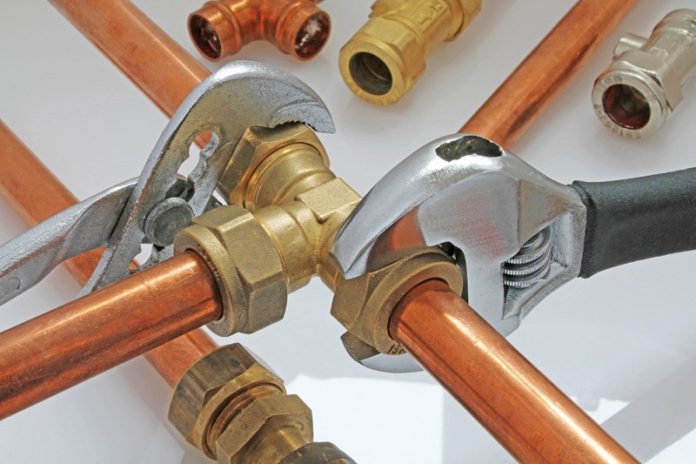
Water pipes do create some sound from time to time but if the pipes are making more than usual noise you need to give the issue some consideration. There can be various different reasons those may cause pipes to create sound while water is running through them and if the frequency of the sounds increase it is time that you get your plumbing system inspected by a skilled professional plumber for identifying the potential problems and getting rid of them.

Let us first consider the different types of noise that may come out of water pipes for one reason or another –

  • Banging sounds more likely to be created by water hammer
  • Gurgling sounds are created if there is some kind of obstacle inside the pipes
  • Rattling sounds are created if the pipes are not securely attached to the walls and also from water hammer
  • Humming sound coming of the pipes can be the result of high-water pressure
  • Squeaking sounds are generally the result of a faulty shut-off valve

Common causes of noisy pipes

We have already discussed the common noises that may come out of your plumbing system and any professional plumbers Sydney can help you with expert and quick solutions. Let us take a look at the reasons for which plumbing pipes turn noisy –

  • Air-pockets: Presence of air pockets within a pressurized plumbing system disrupts even flow of water inside it and often creates loud gurgling sounds. This is a very common situation and can be easily solved by completely flushing out the plumbing system after disconnecting the main supply. This is an annoying problem no doubt but it is hardly damaging.
  • Water hammer: This happens when a plumbing valve closes rapidly when the water is flowing. The result is water traveling through the pipe collides with the valve with force and thus creating the sound. If it is ignored for a long time, it can damage the valve but can be easily solved by replacing the malfunctioning valve and any professional plumber can help you in this respect.
  • High pressure of water: If the pressure of flowing water inside the pipes is too high it may create a humming sound and this is also a situation that requires urgent attention. Excessive pressure can make the faucets eject water in spurts or sudden discharges and may cause the fixtures to leak and drip. This situation to require professional attention to be solved.
  • Pipe movement: If the metal fixtures those attach the pipes securely with the walls become loose a thumping or clattering sound is created by the moving pipes. You can solve the problem by calling a plumbing contractor and Pipe relining may easily solve the problem.
  • Hidden leaks and pipe bursts: A major part of your plumbing system is concealed in the walls and if you hear sudden popping sounds or sound of running water inside the walls there is every possibility of a hidden leak and you must immediately call your plumbing service provider for this situation can damage the inner structure of the building.

How to Design Functional and Safe Stairs in Your Home

Unless you are in love with a fireman’s pole and plan to install it in your two-storey house or apartment, chances are you’ll need to build stairs. This integral architectural element can be a treat for the eyes, but it can also be a pain in the neck. After all, this is an intricate structure and requires a certain approach in design. If you are already slightly at a loss as to how to build beautiful and functional stairs, we are here to help you. In this article, we’ll give you a handful of surefire tips that will help you end up with the safest and prettiest stairs in the neighborhood. Let’s get rolling.

1. Add Enough Light

If you have a two-storey (or more) house, the stairs will be heavily used. It is your duty as a homeowner or a landlord to make these stairs as safe as possible. One of the best ways to ensure that is to add enough lighting. If your stairs are placed in the area of the house with little natural light, illuminate the stairs. You have two options. Firstly, you can install a skylight if your house allows it. If not, go the artificial way. Install enough lighting fixtures above the stairs and add some at the bottom. You are worried about the lights running up the electrical bill, it would be wise to use motion sensor lights.

2. Design the Stairs Wisely

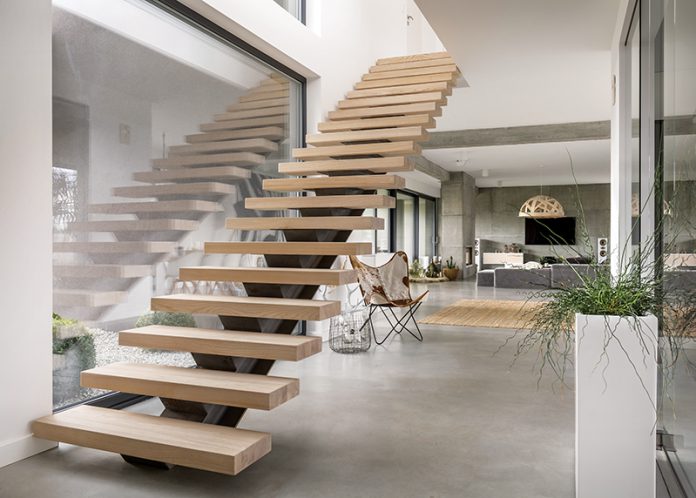
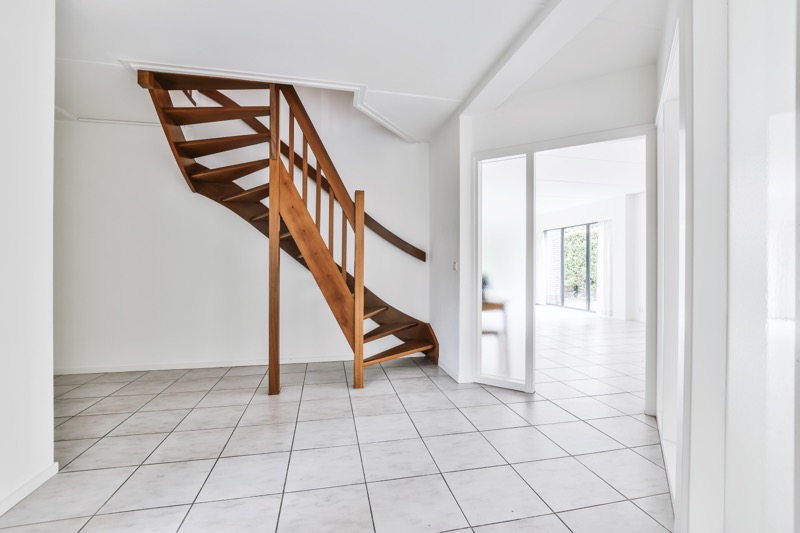
Design of room with stylish white staircase

In order to have the stairs that would look organic in your habitat and be functional as well, you need to properly design this element. A simple sketch on a sheet of paper won’t do – you need to plan the stairs digitally to make sure everything is of the right size and all the components are in the right place. You can easily do it with Interior Design 3D. This stair design software will help you calculate and plan everything about your stairs – the number to the steps that would be enough for your floor heights, their width, the rise and the length of the staircase, etc. The software has a collection of various stair types that you can virtually try in your home and even later take a 3D tour around your place to see how it all would look like in real life.

3. Make the Runs Longer

Look at all the feet in your household. Would people with larger feet be comfortable stepping on a narrow treat? Hardly. That’s why you need to make the runs longer. The absolute minimum you can go with is 11 inches, but people with larger feet will still have troubles safely stepping on them. So consider adding an additional 2 inches. If you are worried about the overall size of the stairs growing because of it – you shouldn’t. The changes won’t be so drastic. But the changes in safety concerns will be grand.

4. Consider a Second Railing

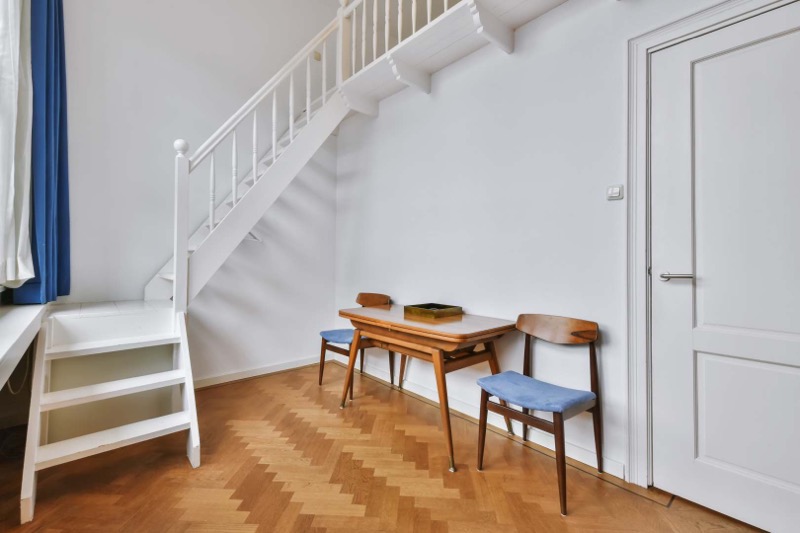
Cute design of a room with a wooden brown staircase

Let’s consider safety once again. After all, stairs are an accident waiting to happen, so you can never be too careful when planning them. Adding a second rail is an excellent idea. First of all, another rail will ensure that you have something to hold on to when both descending and ascending. Moreover, a second rail will be much appreciated by left-handed people living in the world created for right-handed people. People with limited mobility can use both rail simultaneously.

5. Choose the Right Surfaces and Shapes

If you want to make your stairs as safe as possible but also aesthetically pleasing, go with rounded corners. This way you’ll make sure no one bumps into a sharp corner in the night. As for the material you use for the steps, try to find the less slippery option. Marble stairs look awesomely graceful, but they are way too slippery even when dry. Wood surfaces are fine and easy to clean, but can also be a hazard. Adding a carpet will help you minimize the risks as this material cushions and falls and even muffles louder steps.

Well, it looks like you now know the main secrets of properly designed stairs. It is now completely in your power to plan the stairs that will be not only perfectly functional, but also safe for all your family members  – even pets – to use. So go ahead and make your dreams of the perfect stairs come true.

Looking For A Dream Wall? 5 Amazing Ombre Wallpapers To Help

Everybody wants their house to look premium and luxurious. But when it comes to making it, there are many challenges that all of us face. A proper combination of colours and style equip the house to look attractive. What could be that one way to create a masterpiece? Installing wallpapers has become rampant and gives a fresh look to the home. It is a fantastic way to add personality and style. Moreover, it is cost-effective and low on maintenance. So, what is keeping you from creating a dream wall using wallpapers?

How can you spruce up your walls with ombre wallpapers?

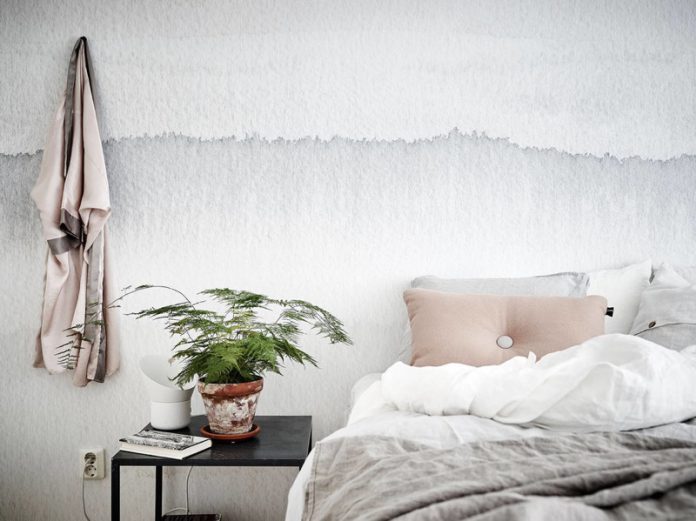
It seems like your choice is inclining towards installing wallpaper. Have you decided on which style to select? Ombre ones are trending; let us tell you! There is an extensive collection of ombre wallpaper at Ever Wallpaper. Their website is popular because it offers many stylish options. There are more than 2000 designs available with them that can help you create a stunning look for your house. Ombre wallpaper gives a unique look as it mixes two colours in a gradient. Did you know that there are varieties of ombre wallpapers?

Multicolour ombre stripe

Stripe wallpapers add a dash of colour and character to your walls. Let the shades of white, beige, light pink, lavender, white, and light blue slowly blend. How does it look in your imagination? Dreamy and pleasant, indeed! It can transform your walls and interiors into works of art. It is best to apply this kind of wallpaper in the bedroom and dining area to get a great look.

Moonlight ombre

You will be obsessed by this wall in no time at all! Have you seen the moon during the onset of an evening? The blush of pink into the blue sky looks mesmerising! That’s how your wall will look when you install this ombre sheet. You will experience a sense of calm every time you see this. They can spruce up any room, but especially in the children’s room, the effects shall be calming and cuddly!

Enchanting floral ombre

You must have seen wallpapers with prints of flowers on them. But have you seen flowers and ombres together? These wallpapers exude luxury and drama. Let’s start visualising some big ivory and light blue roses blended into lavender ink to create an ombre effect. How do you feel about having one on your wall? If you are a fan of flowers, you will surely be in love with this. It can be a fantastic piece of art not just for homes but also at offices and hallways.

Misty hill look

Do you like hills and mountains? If yes, we have good news for you! You can transform your wall with misty hill ombre wallpapers. It gives a comforting and relaxing feel. Imagine a backdrop of foggy hills with a hint of pine trees – it would transform you into the lap of nature. Another name for serenity, indeed!

Pastels with gold

Simple blended pastel tones in the wallpaper with a touch of gold or metallic lines provide a faux marble feel. This type of wallpaper can be installed to create a relaxing and pleasant environment in your home or workplace.

You will be glad to know that ombre wallpapers can be customised in various ways. There can be a lot of experimentation with dark colours too. How about black, grey, and white? Or even dark blue, purple, and black! If you use your ideas wisely, you can create an ombre of your own. No matter what size your room is, ombre wallpapers are always the right choice! It will enhance the look on the whole.

4 Useful Gifts for Housewarming Parties

If you’ve ever relocated to a faraway city or moved into a new house in your local area, there’s one thing you will solidly agree with. Moving can be extremely frustrating and physically taxing. However, the exhaustion often goes away when you have relaxed, unpacked, and arranged your new house, transforming it into the elegant and comfy space you deserve.

But that’s not all. For most folks, a housewarming party usually follows, where guests come with all sorts of gifts to welcome a new neighbor or help a loved one settle in their new establishment. But what makes a great gift for housewarming?

In this piece, we shall cover a few useful items you can choose as gifts for a friend or the new neighbor who just moved in and is holding a housewarming party.

The Essence of Housewarming Parties

As earlier mentioned, housewarming is all about presenting your new residence to friends and family while letting your close circle know where you have moved to. More often than not, the occasion also gives the host a chance to interact and get acquainted with their new neighbors, which is important for obvious reasons.

Housewarming Gifts

In a housewarming party, it is also a ritual for the guests to come bearing different kinds of gifts meant for the host. If a close friend or loved one is hosting one, it makes sense to consider housewarming gifts they will find useful.

Go for something that will make them feel at home in their new, probably unfamiliar residence.

And why not get them something they’ll actually use? Options may include things like furniture, flowers, wine, baked food, candles, and even houseplants, the list is virtually endless.

4 Great Housewarming Gift Options to Consider

1. Dinner Set

If a loved one has invited you to a housewarming party, it pays to bring a useful gift that will act as a reminder of how much you care about them. A dinner set can make an excellent gift in this sense, plus it doubles up as an element of décor when creatively displayed.

2. Customized Framed Photo

A customized framed photo can also be a fantastic gift to the housewarming event host. The trick is to choose her favorite photo if you can – one that will make her smile from the precious memories attached to it.

It could be a photo from a holiday vacation you spent together or even one of those caught-unaware moments kind. Want a personalized gift for your loved one instead? A framed personal message can work well, plus you can add your own creative flair.

3. Houseplants

What is better than a friend remembering you every time they water a beautiful indoor plant in their apartment? Houseplants make an amazing gift any day anytime. They create an aura of freshness in any home, which makes them an ideal gift for housewarming.

Just for ideas, the Peace lily plant, which symbolizes happiness and peace, can be an excellent choice. It lives up to its name with its white spherical-shaped flowers. Other amazing options you can consider include:

  • Snake plant
  • Money Plant
  • Bonsai Tree
  • Jade
  • Lucky Bamboo

4. Kitchen Towels

Kitchen towels are a unique gift that anyone would love to have. They are some of those items that lovers of cooking, especially for women, will never have enough of – hoping that it doesn’t come out as sexist… J

Buy some good-quality towels from some of her favorite colors. You bet they will always remind her about you every time she cleans a spill or wipes her hands.

House warming parties are loaded with lots of fun. It’s one of those beautiful opportunities when you get to check out your friend’s digs, but you don’t want to come empty-handed. Thankfully, the above pointers can help ensure you get a gift that your host will not only love but consider useful.

Care and Maintenance Tips to Keep Your Air Conditioning Unit Running Efficiently

Regular care and maintenance of your office air conditioning system will extend its lifespan and save you money in the long run. Air conditioning maintenance is crucial to ensure energy efficiency, comfort, and optimal health of your employees. A properly running unit that undergoes care and maintenance regularly has the power to remove excess moisture and keeps you and your staff comfortable for extended periods.

On the other hand, dirty and poorly maintained units are hotspots for harmful microorganisms, including mould and mildew that can trigger allergies and respiratory conditions such as asthma and many more. It is ideal to schedule cleaning and maintenance of your air conditioning units at the workplace. Other care and maintenance tips that you should implement are listed below.

Turn off the central power unit

Shut off the power altogether to avoid the dangers of working around electrical appliances such as an office air conditioning unit. Additionally, turn the power off the breaker box.

Remove debris

Cleaning the exterior compressor involves completely removing debris such as leaves from its interior fan cage.

Thoroughly clean the fins

Use a gentle stream of water to clean the fins inside out. Do not use a pressure washer when rinsing off accumulated dirt, resulting in damaged fins. You may also use a cleaning spray specially formulated to remove stubborn dirt for air conditioning parts.

Straighten bent fins

Straighten any bent fins to improve the airflow through your air conditioning unit. Use a butter knife or a fin straightener to get the job done efficiently. Adjust the fins gently to reduce the risk of damage.

Clean the surrounding area

Make sure to clean the surrounding area of the exterior compressor. Remove dead branches and vegetation for efficient airflow around the unit. It is best to partially cover the compressor with plywood or plastic to keep debris at bay during the winter. However, do not cover the unit entirely as excessive moisture inside can result in corrosion or may attract vermin and other insects to build a nest inside the compressor.

Level the unit

An out-of-level condenser system can fail the entire air conditioning system. Instead, use rot-resistant shims to bring the compressor back to level.

Deeply clean the evaporator coil

Locate the evaporator coil door of the interior portion of your air conditioning system. Use a soft brush to remove dust from the coil and a coil cleaner to remove dirt thoroughly, and do not forget to clean the drain pan with a mild cleanser, hot water, and bleach mixture.

Thoroughly clean the evaporator drain

The evaporator coil inside your unit performs most of the cooling functions of your unit. However, algae, mould, and other microorganisms can build up and reduce its cooling efficiency over time. Clean the evaporator drain regularly to avoid these problems and eventual flooding on the floor.

Just like any other appliance in your office, keeping your air conditioning system in good running condition will prevent costly replacements and bring immense time and money savings to your organisation.

10 Best Ways To Decorate And Expand The Living Room Space

If you don’t have room for a 7 feet tea table just after placing your PS5, we can relate to you because you’re not alone. We apartment dwellers or urbanites often find that space is at a premium.

Your limited living space can be viewed as a creative design challenge if this describes your experience. A space-saving and multifunctional solution combined with your style is the key to living comfortably in small spaces. With smart decisions, you can make your room extraordinary and inviting while giving you the space you need. Make the most of the living room with these ten tips.

10 Best Ways To Decorate And Expand The Living Room Space

1. Utilize built-in shelving and furniture.

Investing in built-in solutions and shelving that will fit your needs and space is a good idea. The advantages of custom built-ins in a small room include working into a challenging space while adding features to make the most of it.

For example, you could build a deck out of a deep shelf and brackets. You don’t necessarily need to hire a carpenter if you’re on a budget.

You may purchase modern living room furniture either from physical stores or online classified web portals.

Get creative and DIY.

Why not place an attractive rolling drawer under the sofa?

Or how about a built-in sofa with functional storage underneath?

In the same way, place shelves in an artful pattern on a wall instead of a custom-made unit to create a media unit. To create a vertical design, put shelves up the wall. This will help give the room a sense of volume, creating the illusion of expanding it!

2. Nesting tables are absolute go-to’s!

Minimalism is your best friend when it comes to creating more space in your living room. Think carefully about which furniture you need rather than putting unnecessary items in your area.

Folding or multifunctional furniture can be helpful if there is a need for more furniture than the space allows. An example is nesting tables. To use the nesting tables, pull them out when you have guests. When not in use, tuck them under the main table. A small living room doesn’t need extra furniture!

3. Hang curtains as high as your expectations!

Consider hanging curtains and blinds closed to the ceiling if your windows are lower than your ceiling height. This trick will create the illusion of taller ceilings and a larger room by increasing the apparent size of the windows.

4. Mirror Mirror On The wall

Adding mirrors to make a small space look larger is a concept that you’ll hear everyone talk about over and over again. The reason is that it makes any room seem instantly larger because it is one of the most effective ways to do that. In smaller homes, such as urban apartments and smaller houses, where space is limited and narrow rooms in larger homes, this is especially useful. In addition to adding depth to a room, mirrors can also add a great deal of character and a sense of individuality to a space.

5. Illuminance Is The key

Lighting plays a prominent role in the look, as well as the vibe, of a room. Only one light source in a narrow room makes it seem dim and shallow and inevitably makes it appear small and cramped. Rather than relying on just one light source, we recommend installing more, spreading the light evenly around the room, thus visually expanding it.

Installing several small LED downlights evenly spaced on the ceiling is one way to achieve this. You can also place a few tables or floor lamps around the room, ensuring they illuminate all corners of the space. As well as being far more cost-effective, this will also look chic at the same time, adding a breath of elegance to the room.

6. Ensure everything is crystal clear.

Adding clear glass lamps and lucite tables to a small space will appear spacious and airy. They reduce visual clutter, allow the eye to move freely through the room, and provide needed functionality and a modern look for a small space.

These tips are not only helpful for small house owners but also for home staging in case you’re planning to put your house up for sale! By following these tips on organizing a living room to add space, you’ll be able to gain an advantage over comparable houses. Homes lighter, brighter, and airier tend to appeal to a broader buying audience and sell for more money.

7. Don’t clutter up.

When you have a small living room, you can’t afford excess clutter taking up space. Get rid of all unnecessary items in your home if you have a clutter problem. Give away, sell, or store things you no longer need.

With woven baskets with lids to conceal any remaining clutter in your living room, you will feel cleaner and more spacious. Maximize space by placing baskets on open shelving, at the end of a sofa, or under a console table. To make it easier to find items in your baskets, label them with attractive tags.

8. Well thought out color can save the day.

A classic tip for painting a smaller space is to use white or neutral hues. The same color trim and wall should be used in a room to draw the eye upwards and emphasize the ceiling.

In addition, you can use more subdued colors. A smaller space can be stylishly inviting by using soothing colors like navy or charcoal grey. Small rooms require darker walls and softer elements to create depth and lighten the space. Place lighter furniture against a dark wall, for instance. The second layer contains light-colored furniture, glossy accessories, and a neutral rug.

Try painting stripes on a wall. It does not matter whether the lines are horizontal or vertical; they will visually enlarge or lengthen the wall.

9. Bring in the sun.

Make your room brighter by focusing on natural light sources. Having a sunlit room makes an enclosed space feel more spacious, as the light eliminates shadows that can make it feel smaller. Placing a vertical mirror next to a window will reflect the sunlight into a room, enhancing natural light. Besides reflecting light, this will also give the illusion that the space is deeper. Make sure your most-used pieces of furniture have a view of the outdoors – such as the shelf you filled with your favorite books or your sofa.

Consider installing track lighting if there is little natural light. Its bright light and flexible track heads can replace direct sunlight without taking up the valuable table or floor space.

10. Rugs take it to the next level.

Keeping rugs that extend beyond furniture in each function room might seem counterintuitive, but it is vital to do so when possible. For instance, in a living room, a rug under the sofa, coffee table, and other seating will open up the space and give it a more spacious feel. Alternatively, a rug sized just a bit larger than the coffee table can feel more like a bath mat, emphasizing the living space’s limited size.

You spend a lot of time in our living rooms, so give your living room a sense of character with accessories that tell your family’s story. It honestly doesn’t matter what the size of your home is; you can always incorporate stylish features that reflect who you are. So next time you’re planning to rejuvenate your living room space, do give this article a read again!

How to Save Your Plants From Dying Suddenly

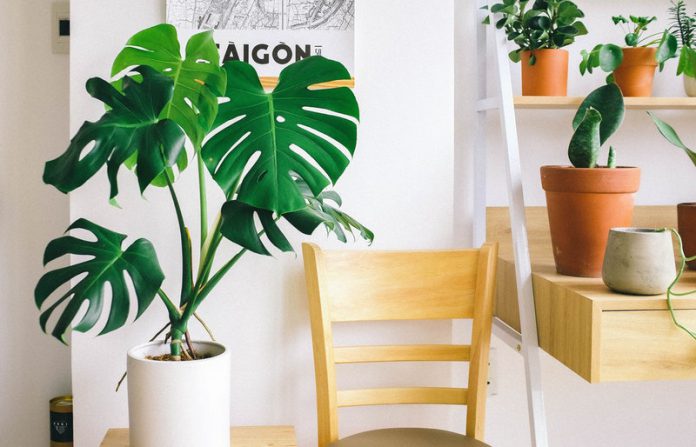
Indoor plants are a great way to breathe clean, healthy air. You can also enjoy a peaceful, green environment of well-being that brightens any space and home. Many people have poor luck with houseplants. Or worse, the “black thumb”. It’s a common problem faced by novice and seasoned gardeners alike. We always strive to provide you with the best source or advise for your plants and garden.

Is this sounds familiar? You bring a new pair of plants home from your local nursery, hoping that things will be different. It is the star of the show. You can water it. It seems to be fine for a few weeks. Then the leaves begin to fall or turn brown. Then your beloved plants begin to wilt before your eyes.

It can be difficult and confusing to figure out the needs of your plant. Over-exuberance can cause plants to die just as easily as neglect. We will discuss the causes of sudden death in plants and what you can do to save them.

1. Require more Light

Direct sunlight can actually be 100 times brighter than ambient light in an artificially lit room. Were you aware of that? Because the human eye is so adaptive, changes in light levels can seem very small. You may not be aware that your plant isn’t in the right spot. Lack of sunlight can cause plants to become pale, lanky, and eventually die. It won’t be capable of producing strong, new growth.

You can fix this by choosing plants that are often sold as houseplants. They have learned to grow slowly under a thick tropical rainforest canopy. They can survive in the relative darkness of a typical living room.

You can move a plant to a windowsill if it seems like it needs more sunlight. Keep the blinds closed. Skylights and south facing windows provide the best light. East facing windows provide good light as well. West facing windows are also good, but east facing windows are better. This is because the sky in the afternoon is clearer. Avoid windows facing north as they receive the least amount of light. However, it is important to move plants as little as possible so that they can be oriented towards the sun. Rotating or moving plants can cause older leaves to die, and the plant will need to grow new leaves to face the sun.

Do not attempt to grow food plants indoors. This includes tomatoes, basil and carrots, as well as other plants. Harvest plants require more light than what is available indoors. Do not be discouraged if your plants fail. sometimes you can only do your best.

Hence, since plants don’t have the same sunlight requirements, it’s essential to get familiar with the different types of greenery and choose the one that suits your environment. For example, if you want to care for certain houseplants but your home doesn’t have enough sunlight source, then you should pick the ones with low sunlight requirements. That way, you can prevent your plants from dying suddenly due to the lack of sunlight.

2. Pick the wrong plant

It could be that your plant is not flourishing or you have the wrong variety. While some plants require specific spaces in order to thrive, others can thrive anywhere. Some plants are not suited for living in pots or as houseplants. Before you put your plants in your home, and before you decide where to put them, research them thoroughly. You must consider their airflow and light requirements. You will have the best houseplants if you provide the right conditions.

For example, if you’re a beginner, you can maintain some common houseplants, such as snake plants, dragon trees, bromeliads, and spider plants. These greeneries are easy to grow and can endure low lighting, inconsistent watering, and changing temperatures.

3. Overwatering

Many people believe that a plant dies because it doesn’t get enough water. Overwatering is the main reason most plants die. Many houseplant owners purchase a beautiful looking plant and then overwater it or spray it daily. Root rot can result.

Root rot can be caused by overwatering houseplants. Root rot is when a plant’s root turns mushy brown from lack of oxygen. Root rot symptoms include slow wilting, yellowing and falling of leaves.

Many pot plants come in small pots, so it is important to repot them immediately. The soil that holds more water will retain it longer and stay moist. Drainage holes should be drilled into the bottom of the new pot.

Also, you should water your plants less often. When you water your plant, make sure to soak it in the sink or use a pitcher. This cycle of wet-dry encourages stronger roots and prevents root rot. If the soil becomes too dry to absorb water, you can place the pot in the sink. The tap will run for approximately 15 minutes.

Root rot can be an early sign of trouble. Remove the plant from the soil and clean the roots. After disinfecting and cleaning the container, cut the roots to expose the diseased tissue.

If the dirt is pulling away from one side of the pot, it is a sign that the plant is really dry. This is a sign that your plant needs to be watered immediately!

4. Low humidity

Low humidity can cause heat stress. Your home’s winter air is dry and can be particularly damaging for parlour palms, orchids, and ferns. They may lose their leaves or develop brown streaks. Plants that do not require humidity are best if you live in dry areas or low humidity. This includes succulents and plants with woody stems.

Humidity-loving plants should be kept in well-lit bathrooms. The bathroom’s steamy air can cause problems for the plants. These smaller rooms are also less drafty. As plants clustered together, houseplants increase the air humidity.

Humidifiers at home are great for plants that love humidity and also for people. The room with the lowest temperature is also the one that is most humid. This is similar to a room near the windowsill. Try to place your plants in these areas.

The humidity of the air can be achieved by placing plants in large trays filled with water and gravel.

5. Less care towards the plant

Neglect is the main reason why plants die, unfortunately for many of us. It’s very rare that it is intentional. It happens because our lives are more hectic than ever. Most houseplants need to be watered only once a week. Most species can withstand being neglected and will survive without watering. Everyone should find the time to water their plants once a week. Responsible plant parents ensure that you dedicate 15 minutes each week to water your plants. You also make sure to check the lighting conditions, coil conditions and the nutrient content of the soil.

6. Your Plant is asleep

Many plants that have suffered trauma go dormant. Many plants, even tropical ones like orchids, go dormant during the season. Dormant plants can look dead and are often thrown out by homeowners. You can trim dead plants and give them some love. Dormant plants will eventually return to their original state. Find out what type of plant you have and how long it goes dormant. Some plants require that they be kept in cold temperatures while dormant and then returned to warmth at the end. Others should be kept in the same environment. You should be aware of the specific needs of each plant.

7. Each species of plant have different needs

Plants need different amounts of light, water, soil and air to survive. The species you have will determine how much light, air and water they need. Some plants require constant moisture, while others need their soil to dry completely between watering. Parlour plants can survive in regular soil, but air plants do not require any soil. Orchids and pitcher plants have to be able to tolerate sphagnum Moss. Certain plants thrive in direct sunlight, while others thrive in shade. Look at the location where you plan to put them and research the types of plants that will work best there.

8. Over-fertilized

Ecosystems can recycle dead leaves and twigs into nutrients when they are broken down. Houseplants’ dead leaves are tossed away when they fall. We need to fertilize to replace the lost leaves. Too many people fertilise too often or too little. This can lead to the plant getting too many nutrients, or too few, and causing it to burn its roots. Over-fertilization can also happen to houseplants over time. This happens because water evaporates, leaving behind the solids. Over-fertilized plants can become dry and unresponsive to water, so it is possible for them to go dormant. The leaves can become soft and look like cloth, and the tips of the leaves may turn brown.

Many potting soils will include plenty of organic material or added fertilizer. This means that you won’t have to add fertiliser long-term. If you do need to add fertilizer, be sure to follow the directions on the package. Make sure the fertilizer you choose is for your house plants.

These fertilisers are less likely to cause damage to the roots than a time-release or solid fertilizer. Fertilize only when there are signs that the plant is in need of it. This could include a lack of growth, small or stunted new leaves, or pale, green veined leaves. So, if you’re looking for the best organic fertilizer to protect your plants from over-fertilising, conduct online research thoroughly. There are several companies out there that supply organic fertilizers to help your greenery grow healthily over time.

Are you seeing a buildup of a white, tan or dusty substance in the plant’s tray? This is caused by excess fertilizer and salts. Over the years, tap water can gradually add salts to soil. You should rinse the tray every few months to keep it clean.

9. Wiping your Plants

Did you know that you must wipe your plants? Dust can build up in your plants just like other items in your home. Dust can cause damage to your plants, not unlike dust on your shelves or appliances. Your plants rely on their leaves to absorb sunlight. This light is converted into sugars and energy that can be used to grow and sustain themselves. Photosynthesis is the process of turning light into sugars and energy. Dust on plants’ leaves can cause them to stop performing photosynthesis, causing them to droop or wilt.

Regularly clean the leaves’ surfaces with a damp, soft cloth. This is the best way to keep your plants looking great and gives them the best chance of getting the most sunlight.

You can also clean your plants to remove any dead or damaged stems. Dead or rotten leaves and stems can spread disease to healthy plants. It is important to remove dead or rotten parts as soon as possible. To ensure that your plant doesn’t get strangled, you should also get rid of any weeds. Make sure to do all these wiping and maintenance practices regularly to get a more desirable outcome for your plants.

10. Plant Disorder

A plant can also die suddenly from plant disease/disorder. These are common plant diseases and how to recognize them.

  • Mould

Brown spots on the stems or leaves of plants can indicate mould. This is known as fungal disease or dieback. To prevent spreading the disease to other plants, make sure you have the affected plants isolated. All fungus-ridden stems and leaves should be removed and treated with an antifungal product.

  • Tetranychid

Are you noticing small webs on the leaves of your houseplants? This is a sign of tetranych/spider mites. These tiny arachnids feed on leaves and cause severe damage. To prevent spider mites from spreading to other plants, you should immediately isolate the affected plant. To get rid of mites, place the plant in a sink. Use an insecticide soap to kill any remaining mites. Finally, water the plant every day with water. Spider mites thrive in dry environments.

  • Flake

Many problems can lead to yellowing or wilting of leaves. If the leaves become wilted and have small, dome-shaped, shell-like structures, it is likely that the plant has a flake infestation. These insects sucking sap and moisture from plants can lead to their death. You can remove the scale from the leaves using a knife or similar tool, but severe infestations will require you to take out all the affected parts and treat them with an insecticide.

  • Powdery Fungus

Have you noticed a powdery substance on your plants’ leaves? Powdery fungus is most likely. This fungal disease can eventually cause the death of your plants. It is important to get rid of all infected areas and to move the plant to an area that has better air circulation.

  • Black Spots

This is also another fungal disease that occurs in flowers and other plants. Although black spots don’t kill the plants automatically, they can weaken them, resulting in more serious problems and even slow death. For the affected plants, the black spots appear first and turn yellow, which can cause the plant to eventually wither and die.

  • Whiteflies

Whiteflies, another pest that suckers the sap from houseplants, are another. The leaves will turn yellow and eventually die. Large whitefly infestations can cause the death of plants and spread to other plants. You will have to manually get rid of the whitefly infestation by pulling, hosing or vacuuming the plants. You should inspect every part of your plant, including the areas where whiteflies love to lay eggs. To stop them returning, use a strong insecticide soap.

There are several plant disorders to watch out for when caring for greeneries in your home. Make an effort to familiarize yourself with these disorders as early as possible so you’ll know what to do to prevent them from killing your plants suddenly.

11. Improving the Air Quality

Although plants can help to clean the air, they still need clean air for their survival and growth. Pure, clean air is best for all living creatures. The biggest cause of stunted growth in plants and root problems in plants is the polluted or contaminated atmosphere.  Are you a smoker and are you a smoker around your plants? Do you keep your plants in the kitchen, where they are most likely to be exposed? You can rotate your plants outside and to other parts of the house often to allow them to recuperate. To prevent photosynthesis, make sure you clean their leaves often.

12. Over Growing and Shock

Plants can experience cramping/over growing or shock just like humans. Plants that have outgrown their pots can cramp. Your plant might not be thriving despite regular watering and feeding. You may notice water seeping from the drainage holes when you water your plant. It is easy to make your plant more airy by adding fresh soil and a larger pot.

When you move your plant around in your home, shock can occur. Although it is important to move and rotate your plants, shock can occur from sudden changes in temperature or lighting. This could cause sudden leaf loss. This is especially true if you are moving your balcony plants indoors in winter. Begin by moving them into the new place for a few hours, then return them to their original spot. Gradually increase the time spent in the new place until the plant is ready to transition.

Are you looking for the perfect houseplant? Do you want lush greenery and beautiful flowers for your home’s interior? Visit Aumann’s store today to see the range!

A Guide to Selecting the Best Wood Type for Your Dining Table

The dining table is the heart of the household. It offers many purposes: eating, communicating, celebrating, and more. As it is so important, it must be constructed with appropriate materials.

Wood dining tables are one of the most popular materials for dining tables. It is durable, timeless, and versatile. The best thing about wood furniture is that it allows you to select your preferred wood type. Whether your style favours traditional or modern, there is a wood type that suits your needs. This post will highlight the different kinds of wood that are best for dining tables. Below are the types of wood and their essential characteristics.

Brown Maple

Brown maple is a good choice if you have a contemporary-styled home. Its tone offers a sophisticated combination of brown and cream streaks. Its grain pattern is smooth. Because of this, it is a suitable type of wood for painted finishes. Brown maple looks best painted with a lighter coloured stain. This will enhance its natural appearance. But, if you’d like the grain colours to blend, choose a darker stain. Brown maple falls under the category of softer hardwoods. Thus, it is more prone to denting and scratches.

Cherry

Cherry wood is a favourite for traditional homes. Many homeowners prefer cherry wood in more formal spaces. So, if you’re looking to design a more formal type of dining room, this is a great pick. Its tone varies from reddish to rich browns. Cherry wood’s deep and warm grains offer a rich look for your space. It will enhance the ambience of family gatherings.

Cherry wood holds a satin texture with a circular grain pattern. Some cherry wood contain brown flecks and small pit pockets.

Pine

Pinewood is one of the most common wood furniture made in Canada. While pine is a kind of softwood, it is still very durable. Colour-wise, pine is unique. Its heartwood and sapwood are different. The heartwood of pine is often reddish-yellow. It darkens as time goes on. Its sapwood, on the other hand, is reddish-white. The texture of pinewood depends on how the wood is cut. It can have a wavy or striped grain.

Pinewood is a great wood type for Scandinavian, Nordic, and minimalist homes. Pinewood goes well with soft neutrals like beige, cream, and ivory.

Walnut

Walnut wood pairs great with modern and contemporary homes. It is an excellent choice for a dining table as its grain pattern will take the spotlight.

Many streaks and movements characterize walnut wood. These grains can be highlighted further when paired with solid-coloured floors. As for its durability, walnut wood is prone to damage with heavy use. However, its grains can help hide minor wear.

The Bottom Line

The best wood type for your dining table depends on your preferences. Wood is very versatile and offers a plethora of colours, grains, and textures. Determine your requirements and living situation and factor them into your furniture shopping. This way, you will find the best dining table suitable for your home.

Recent Posts

Posts You Might Like