

Home Blog Page 277

Mistakes to Avoid When Buying Granite Countertops

With kitchen renovations, granite countertops are a perfect addition. These countertops are some of the popular kitchen and bathroom materials for a durable and pristine finish. This unique and beautiful surface is durable and able to withstand spills. It is also heat and chip resistant. However, even with such qualities, you must avoid some common mistakes that may compromise the quality.

Choosing the wrong stone

For the durability and lifespan of the stone, you have to choose the right one. Take your time and research the countertop material available to provide whatever type you select befits you. Quartz and Granite are kitchen favorites because they are durable but may not work for other rooms. Find the kind that will withstand your daily need and while giving enough aesthetics.

Use of harmful cleaning agents

Some cleaning solutions and agents are harmful and could easily damage the sealant on the countertop. These are some solutions like bleach, vinegar, ammonia, and strong acids and alkalis. Instead, grab a soft washcloth, some soap, and warm water on your countertops. Your aim here is to keep the sealant on your Granite strong, which means avoiding harsh chemicals. Choose simple; it works better.

Not cleaning countertops frequently.

Mistakes can happen any time, and spills are inevitable, especially when it comes to bathrooms and kitchens. Even if you think the sealed countertops are strong enough, you have to keep them clean all the time by wiping them with soap and warm water. If the sealant is old, it may be broken, and that means spills could penetrate.

When cleaning, you have to blot the area with a paper towel instead of wiping. Then you rinse and dry with a dry cloth, and when it comes to consistently caring for kitchen countertops, you’ve to maintain cleanliness to ensure durability.

Ignoring the effect of heat

In a bustling kitchen, you could be tempted to put hot pans on granite countertops. While Granite can withstand some bit of heat, you don’t have to go testing its limit by placing a hot pan on it. The fact is that granite countertops from a good granite showroom in Denver are durable, but with exposure to too much heat, the surface could be stained. You can have some buffer like a table mat or something like a cloth, wooden coasters or rubber. That could take a second or two, but it pays a great deal.

Storing liquids on granite tops

Even when you have perfectly sealed granite top storing food containers and liquids or other items is ill-advised. Whatever is stored in bottles and placed in counters could leak, and that goes without noticing. These liquids, including cooking oils, shampoo, and perfume, can erode the sealant if the moisture is produced consistently. Therefore when it comes to those things, you should not put on granite countertops; avoid any liquid formulation.

Might you have made some of the mistakes highlighted above, it is not all lost. To take care of your granite countertops, you have to do a bit of research. With the proper knowledge, you could maintain them in perfect condition.


Excellent Tips of Improving the Value of Your Building you Need to Consider

Owning a building is a significant investment, whether it is a business premise or a residential building.  With time the value of your premise may decrease; hence it is best to take some precautions to improve its worth. Besides, it would help if you made changes and upgrades to increase value quickly; while making the home improvement, don’t forget to explore cost-effective ways that will not strain your resources. Depending on the size of the building, you can opt to renovate in parts to give you time to monitor how the upgrade works after getting a report from a company that offers building and pest inspections in adelaide Painting interior walls.

1. Improve Interior Walls

Interior designs change every time to upgrade to the recent design ranging from the color to the fittings. Again, while painting is moderate as having too much outlandish may discourage potential buyers. The colors used need to blend well with the design of your home.  You can also include accent walls with textured brush techniques to increase the visual interest of potential customers.

2. Yard Lighting and Landscaping

An attractive landscape is an excellent way to attract the attention of buyers.  Again, landscaping does not take too much money, so you can engage a professional landscape agent to improve the appearance of the compound. Remember, the yard indicates the effort you put in maintaining your property, so every prospective buyer is likely to notice it. An appealing landscape will lure buyers to the property, picturing themselves enjoying favorable seasons. Don’t forget to focus on the yard light as they help attract buyers who drive after dark.

3. Improve the External

The external wall is your selling point; potential buyers will first notice the exterior of the building before seeking to explore its interior. Again, when you make your property appealing on the outside, getting a buyer becomes easy. The fresh coat of paint also makes your building have a fresh and appealing outlook. It is best to avoid overly bold shades because they can make your house stand out for the wrong reasons. Before painting, it helps if you consult with a designer or a real estate agent who will guide you on the right shade of colors to use.

4. Upgrade the Rooms

consider upgrading the rooms as this will make the house look modern. Rooms like the kitchen are communal areas, so having functional space with improved cupboards, bench-tops, and taps will make them more appealing. Again, while doing the upgrade, avoid overdoing the kitchen as it may make the premise look more expensive hence turning off the buyers. Also, confirm that the appliances are in working condition and they look tidy. You can also upgrade the doors and windows by replacing the old ones with new and stylish ones.

Before upgrading your house through refurbishing, you need to engage a building and pest inspections in adelaide so that you can quantify the value of the house before and after remodeling. The quantification will help you in setting a price for your property depending on its value.  Cleaning can also improve the appearance of a property. The best part is even though cleaning may take time, it is considerably cheaper.

Restore Your Metal Roofing

Metal roofing is one of the most common types of roofing in the world. It is popular due to its long-lasting effects. Moreover, it is reliable. Therefore, it is important to ensure that the metal roofing is well maintained for durability and regularly inspected to keep your family members safe. However, with time the metal roofing may deteriorate in appearance, compromising their protective features. Therefore, during the routine inspections, the roof inspector should examine the roof and check for any signs of damage. In case there are any damages, then they will recommend roof restoration if needed. For instance, metal roofing is prone to rust; thus, wear and tear is inevitable.

The restoring process requires a qualified roofing expert. You can check out roofing experts on the roofing website to ensure you get someone to do your roof work perfectly. Different signs will prompt your roofing expert to recommend a roofing restoration. Some of the signs may include; moss and fungus development, Metal sheets that have faded or become dull. Also, roof sheets, downpipes, and gutters that have rusted, Screws that are rusted or nails that are loose, metal roof sheets with holes, Roof margins with rotted woodwork. More include; Watermarks on the ceiling or leaks, Metal sheets, and flashings that are loose or damaged. Finally, Thermal control has been compromised. Therefore, these signs, if not taken care of on time, may lead to further damage that may result in re-roofing the whole building.

The procedure of restoring a roof is quite simple. Of course, there are distinctions between the various materials and designs. Nonetheless, there is a basic order to which roof inspectors should complete all roof repair jobs.

The specifics of the type of restoration are highly dependent on the type of roof. For instance, color bond roofs are that they easily get rusty, especially the crews. Therefore repair will include the removal of all those old screws. Also, the zincalume type of roof these are known for their not-so-good loos. Therefore, repainting is necessary. Finally, there are the flat metal roofs; they are also vulnerable to rusting and leaking. Therefore since this type has high water retention, restoration involves extra attention paid to plumbing while reconstructing a flat roof to allow for the smooth redirection of rainfall.

Listed below are some of the stages involved in the restoration process for all types of materials or designs.

1. Roof assessment

This is the processing of accessing the roof to check for any signs of wear on your roof. When inspecting for wear and tear, one can decide to do it on their own or hire a roofing expert. If the self does the inspection, it is necessary to ensure you follow some safety tips. For instance, ensure you are wearing some safety equipment and stepping away from the roof’s vulnerable spots, such as the seams.  Therefore, when roof accessing, ensure you check for damage to the structure, rust, corrosion, or leaks. However, the assessment can be done by the hired roofing company. Moreover, they should also create a thorough quote as part of the evaluation, which includes all necessary repairs and related expenses.

2. Preparation of the roof

The region must be meticulously prepped before the roof can be effectively restored. If you reside in Melbourne and your roof is higher than 2 meters, the first stage in roof preparation is to install guard rails, which are needed by law when working on a roof. After that, the whole roof must be scrubbed. While eliminating dirt and debris is important, you’ll also need an immaculately clean surface to apply any coatings afterward. If the roof has been painted before, cleaning also entails removing any flaking paint or sealant. Professional roofing firms do this by using high-pressure cleaning equipment at pressures of up to 3000 psi. Avoid pressure washing the roof yourself, at least not before a roof repair job, because this is considerably higher than the 1000-1500psi of home equipment. Apart from cleaning the roof, applying high pressure to the surface eliminates rust stains, peeling, or flaking old coatings and improves the adherence to the new coat.

3. Restoration of the roof

The restoration method depends on different factors, such as the nature of the damage and the type of roof. Therefore, the restoration process has a few steps these include,

  • The first stage entails a thorough inspection of the roof. Ensure the metal sheets are in place. It is necessary to fasten any loose sheets and flashings. Where necessary, rusted nails and screws should be replaced.
  • Ensure that all traces of rust are removed. Eliminating any signs of rust or corrosion is one of the most critical jobs in repairing any metal roof. Any residues left on the roofing material will cause oxidation and corrosion in the future. Therefore, rust primers are applied to the clean surface to eliminate rust and keep it at bay. They keep the metal from rusting and increase the roofing membrane’s adherence later on.
  • Apply a roofing membrane on the roof. It’s time to finish the restoration job once all sheets and flashing have been fastened. Therefore, all rust has been removed from the roof. To do so, you must first apply a primer to the metal. It would clean up the surface and improve adherence. After that, you’ll need to apply two coatings of the metal roof membrane. The membrane’s specific type is determined by the metal used. Most membranes are also come in a variety of colors to suit your taste

To sum up, it is important to ensure you maintain routine checkups for your roof o check if there are any damages. In case of damages, a regular checkup will provide you repair them on time.

Top 6 Benefits of Having Plants in Your Home

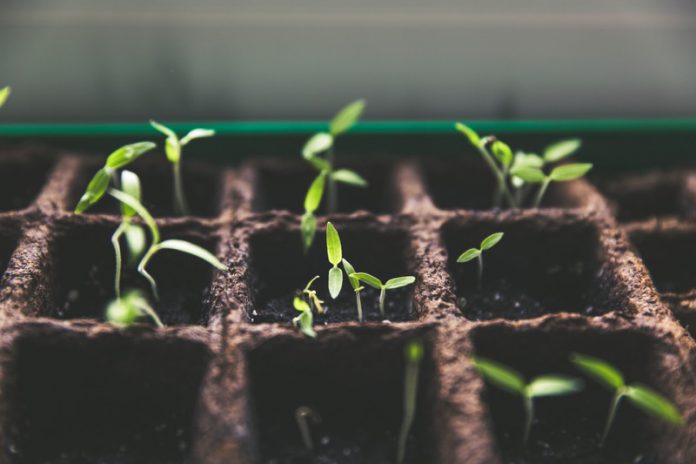
Having plants in your home is the closest connection you can have with nature. Many offices and public places have plants that serve the great purpose of being a soothing element within the surroundings. And, the same goes for having plants in your home; it can be a remarkably satisfying experience.

There are various benefits of having indoor plants, both health-wise and in creating a fresh and breathable habitat for you.

Let’s explore the top 6 benefits of having plants in your home.

1- Helps in improving mental health

Research conducted across the globe explains how people that live near to the greenery and small plants feel much happier and mentally stable than those who don’t.

Another great advantage of having plants around in your house is that during their gaseous exchange, they release pure oxygen and suck up carbon dioxide from the surroundings making your home a livelier and more breathable space.

The incredible fresh aroma produced by your plants will undoubtedly cheer you up.

2- Gardening helps burn calories

Gardening helps burn calories because it counts as exercise. For instance, planting flowers, pulling weeds, taking care of your plants burns 200-400 calories per hour.

However, to reap the full health benefits, don’t forget to incorporate some light exercises such as:

  • Push-Ups
  • Chin-ups
  • Dip workouts
  • Pull-Ups.

3- Give a boost to your immune system

It is not only your mental health that gets better as an advantage of having house plants, but your immune systems also get a much-needed boost. A fraction of it is still tied to your increased mental health; when you feel relaxed and calm, you get more sleep, which triggers a positive boost in your immune system.

When you are less mentally stressed, you become more active physically, which again triggers a positive boost in your immune system. These chemicals that plants release into the air guard you from infesting germs and microbes that could potentially cause cold or other such diseases.

4- Increases your overall productivity

If your home doesn’t have much art or decoration around, then the chances are that at times you might not feel motivated enough. Having such a vacant home can make the whole experiencing of living in it dull and demotivating.

When you have such vibrant greenery all over your home, how could you get bored or out of the fun? Plants inside your home can help you spice up the environment and help you stay focused and productive all day long.

The fresh greenery has the effect of rebooting the brain and taking away all the stress and periodic anxiety. This way, you feel more relaxed, rested, and working at your full potential.

If you feel less motivated in your home, out of focus, or just not getting much work done, then start right away with home gardening, and the benefits would surprise you at the end.

5- Improves your relationship

Having a living element in your house will make you more compassionate about its presence; you will rush to nurture those plants with water and trimming their outgrowing ends to keep them in better shape.

According to a study conducted by the Royal Horticultural Society, talking to your plants really can help them grow faster.

Isn’t it all that is to love and to maintain healthy relationships with others?

6- Helping you to improve your learning abilities

Plants can help you improve your overall learning capabilities, as around plants, you won’t feel out of sync or focus, which improves your attention to the work you are doing. This automatically tunnels your complete focus to this one task at hand, allowing your brain and muscles to work in coordination, and you learn things faster. Not only this, but within this process, you can retain all this new information much easily and commit all of it to your long-term memory.

Children who suffer from various mental health conditions and problems with coordination can also be helped by having them around plants as plants create a much safer and calm environment prone to better learning and increased focus, which will help those children.

As a high school math teacher, I added various plants in my classrooms to enhance the environment for my students.

Wrapping Up

As an added benefit of having plants in your home, you get to breathe in the cool and fresh air and lose weight by burning those extra calories.

More and more people should grow plants in their homes to reap the benefits that these plants have to offer.

5 Benefits of Carpet Steam Cleaning in Sydney

Carpets come in different varieties, shapes and sizes. They also need to be maintained and preserved properly for a longer life. Carpets can gather a lot of dust, filth, bacteria, and millions of other contaminants that can cause diseases in the residents of the house. Hence maintaining a proper and appropriate level of hygiene becomes mandatory. Cleaner carpets look neater and tidier. They do not spread any diseases nor do they spoil the indoor air quality. They make your house look and smell more pleasant. Carpets which are not cleaned or left unclean for years are capable to spread breathing disorders, flu, cough, asthma, etc.

There are various carpet cleaning methods available to make the carpets shiny and brand new. But carpet steam cleaning and carpet dry cleaning are the 2 effectives ones for your Sydney home. Out of the 2 let’s find out more about the benefits of carpet seam repair service:

1. Best for the people with sensitive health

It is highly beneficial for the people who suffer from allergies. Steam cleaning only makes use of hot water and a cleaning agent hence it contains no smell and can effortlessly do away with the microscopic microbes lying in the carpet by sucking out the dust from them and cleansing them.

2. Extends the life of the carpet

The carpet fibres get damaged over usage from years and the accumulated dust, and dirt from the foot traffic also is responsible for altering its lifespan. Steam cleaning helps in improving the life expectancy of the carpet by eliminating dust particles. Also opting for professional Carpet Repair Sydney is helpful.

3. Keeps the environment healthy

A healthy, clean and disinfected environment is necessary for being fitter and healthier. During the the steam cleaning process, hot water destroys all the germs and pollutants whilst also sanitizing the carpets properly.

4. Eradicate stains from the carpet

Carpets free of stains and blots look pleasant and attractive to the eyes. It is easy to get off the stains on it that have occurred because of pet urine, wine, coffee, blood etc. with steam cleaning.

5. Enrich the beauty and glory of the room

Carpets are an important furnishing piece in all homes. It is used a lot but there are many people who do not give a second thought to its cleanliness and upkeep. Carpets get ridden with dust and dirt on a daily basis. To give your carpets a fresh and clean look for professional yet Carpet Steam Cleaning Sydney that will also improve the exquisiteness of your living area with elegance.

There are several carpet cleaning agencies in Sydney that will provide excellent carpet cleaning services including Carpet Steam Cleaning Sydney and Carpet Seam Repair. They will provide assistance to you as well as Cheap Carpet Steam Cleaning Sydney. While also helping you in making your precious home cosier, cleaner and more beautiful! Carpet cleaning companies work with committed and skilled professionals for residential and commercial carpet cleaning.

Why Plumbers Hate Drano

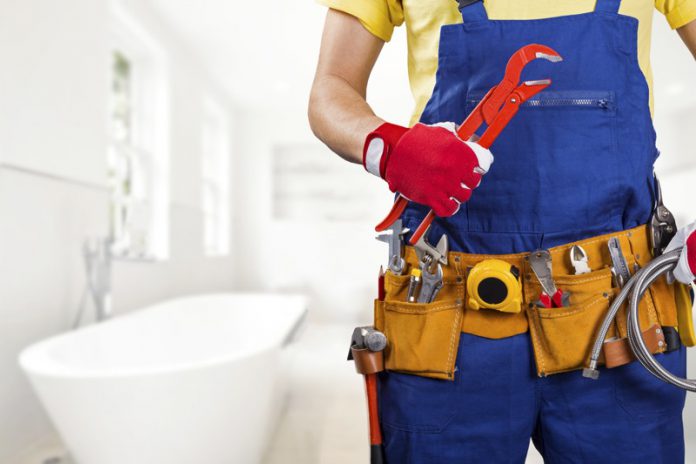
plumber with tool belt standing in bathroom

A clogged drain is a surefire way to ruin anyone’s day. There’s nothing worse than washing your hands in the bathroom sink as you get ready for work in the morning and noticing that the water isn’t draining. Or when you’re taking a shower, that all of a sudden turns into a bath because the water level just keeps rising even though you unplugged the drain stopper. Nobody wants to spend the time and money to hire a plumber to come to fix a clogged drain. It’s not like you need major work done like a sewer line replacement, right? Most of us try to take the easy way out and take a quick trip to the local hardware store to pick up a container of Drano for a quick and easy fix.

However, what you might not know is that Drano and products like it can damage your pipes. Plumbers don’t hate Drano because people view it as a cheap alternative to hiring a professional plumber. They hate it because it can be harmful to you, your pipes, and sometimes the plumbers themselves. Let’s take a more detailed look at a few of the reasons why drain cleaners are frowned upon by many professional plumbers. 

It’s a Chemical Hazard for Plumbers

Just like many workers in any other industry, plumbers face various safety hazards while performing their job. One of the more frustrating safety issues they have to deal with is exposure to harmful chemicals from commercially available drain cleaners like Drano.

Since most people try the quick fix before calling in a professional, many clogged drains that plumbers are hired to fix have the product still resting either in the pipe or directly in the sink. Often, when plumbers first arrive on the scene to fix a clogged drain, the first thing they will do is ask if the client has put chemical drain cleaners in the drain. If a plumber went to open up a drain filled with Drano and didn’t know it, they would be exposing themselves to the dangerous chemicals. This is not only harmful to the health of the plumber, which is bad enough but the tools and cable they use are also susceptible to chemical damage.

Skin Burns, Irritated Eyes, & Damaged Lungs

Often, people who use Drano don’t read the instructions properly, leading to dangerous conditions. While most people consider the possibility that chemical drain cleaners will damage their pipes, causing worry that they will need to redo their bathroom plumbing or get a sewer line replacement, surprisingly few people consider the more likely risk of harming themselves. 

Since Drano is caustic, it can burn or corrode organic tissue with chemical reactions. Of course, that means any splashback can burn your skin. But the vapours that emanate from the liquid are also harmful to your eyes and lungs. If you ever use Drano, make sure you wear proper safety equipment like gloves and a respirator.

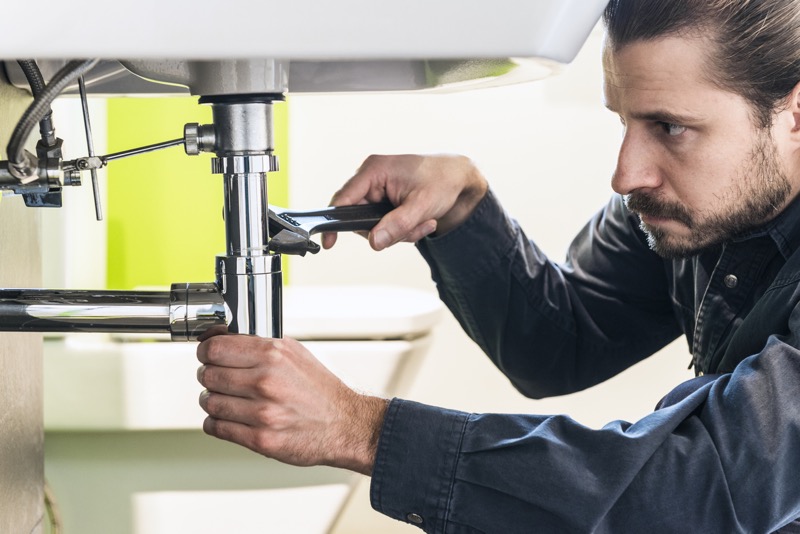
Plumber is doing repair work, he is fixing the pipe.

It’s Corrosive and Can Damage Your Pipes

Drano has some specific scenarios when it can be useful, but it causes more harm than good in many cases. The whole point of Drano is that when you pour it down a drain with water, it triggers a series of intense chemical reactions that decomposes organic matter, loosens clogged particles, and creates the space for water to carry the debris down the drain. 

What’s the problem then? Doesn’t that sound exactly like what you want Drano to do, dissolve the clog and flush it out? The problem is that the chemical reactions are so intense that they can also cause serious damage to your pipes. Since Drano sits in the pipe until the clog dissolves, the chemical reactions continuously eat away at the pipes. 

Drano can cause toilet bowls to crack, PVC pipes will soften and break, and older pipes that have already begun to corrode are more susceptible to more damage. Even if the pipes themselves can withstand the chemicals, the glue that holds them together can dissolve. Luckily, while Drano can damage the plumbing of your home, it doesn’t pose much of a risk to more foundational lines that would lead to a major fix like sewer line replacement.

They Are A Temporary Fix

If you want real solutions to your plumbing problems, call a professional. A quick fix like Drano may seem like the best option at first, but you may be setting yourself up for more severe problems down the line.

The Different Types of Hot Water Systems

What’s heating your water?

There are a few different types of hot water systems. Which one will work best for you depends on your situation — each has its own pros and cons.

Are you trying to decide which type you should buy? Read on to learn about the different types of hot water systems here.

Electric Systems

Electric systems are popular because of their low upfront cost. They produce water on-demand, are easy to use, and the system doesn’t require much space for installation.

Unfortunately, it tends to be the most expensive in running costs because of the price of electricity. You can bring those costs down by setting the system to run only during off-peak times when the tariff for electricity goes down. However, then you’ll need a larger storage tank and there will be a small amount of heat loss — which equals wasted energy.

Solar Power Systems

On the other end of the spectrum, solar power systems are the cheapest to run. Solar power can be basically free, though you will have to factor in the low maintenance costs.

On the flip side, it is one of the more expensive systems to install. The solar panels themselves are expensive and you’ll have to hire knowledgeable installers to ensure the system is installed correctly.

However, you can get government rebates that help lower the cost.

Choosing this method is more than just making a money-saving choice for your household but also helping to conserve resources and do good for the planet.

Gas Systems

In Australia, gas systems haven’t been nearly as popular as electric systems mostly because of less accessibility. However, as the gas grid expands, more people are choosing this less expensive way of heating their water.

Gas systems have a high recovery rate. This means that when you use a lot of hot water, it is rapidly replenished — a great feature for large households. In fact, gas systems can heat water about twice as quickly as electric ones.

Of course, though you’ll enjoy lower running costs you’ll pay a little more for installation. Plus, you have to be aware of warning signs that there is something wrong with your system. There is always a (very small) risk of explosion with gas systems.

Heat Pump Systems

Heat pumps are nifty systems that are also great for conserving resources. Instead of directly generating heat, they use just a little bit of electricity to transfer heat. It’s the same idea as a refrigerator, just in reverse.

The heat pump pulls any available heat from the air and uses it to heat the water. This method uses less electricity and is far more efficient than a traditional electric hot water system.

For obvious reasons, heat pumps tend to work better in warmer regions. However, you can get cold weather models designed to work in cooler temperatures. Most systems also come with a booster element as a backup.

Ready to Buy a New System?

We hope this brief overview has helped you figure out which option is best for you. Of course, you can always talk to a professional to get all your questions answered. You’ll need a licensed plumber to help install your new hot water system anyway.

Steps to Ditch, Downsize and Destress as a Millennial

When you consider downsizing, you likely imagine an elderly couple or recent empty-nesters. While downsizing is more common for retirees, an increasing number of millennials are choosing to downsize or purchase smaller homes.

For millennials, the reasons for downsizing are typically financial, but there are other reasons as well. Making a conscious decision to hold onto a limited amount of physical processions is freeing both mentally and fiscally. Check out our steps to ditch, downsize and destress as a millennial.

Why downsize as a millennial?

Countless successful millennials jumped on the traditional track of getting a job after college, securing a mortgage, and buying a home. Like their parents before them, they assumed that a home is an investment in their future, but is this honestly the best path?

There are numerous benefits to cashing in on a larger home and opting to downsize, including:

  • Lifestyle benefits
  • Less time cleaning
  • Less time tending the garden
  • More time to focus on the things you enjoy
  • Financial benefits
  • Lower purchase price
  • Lower overheads
  • Lower maintenance
  • Lower taxes
  • Lower utility costs
  • Lower furnishings needed

If you invest the money you might be saving on a mortgage by downsizing, then your diversified portfolio can limit your future financial risk. Retirement might still seem a long way off, but an early start can make a colossal difference in the long term.

How can a millennial ditch, downsize, and destress?

Moving is stressful and challenging for most people. However, the earlier you start the process, the simpler it will be once you find your ideal new abode. Here are our three basic steps to ditch, downsize and destress.

Decide what space you need

Just because you have chosen to downsize doesn’t mean that you need to live in a studio apartment. Instead, we recommend taking a good look at your home’s functionality and ensuring that every inch is purposefully used. Give priority to rooms that are important to your family dynamics, hobbies, and lifestyle by limiting lesser-used areas.

Decide what you want to keep

Filling an empty space in our homes is easier for many people than freeing ourselves of excessive clutter. Deciding what to keep in a downsized home can be challenging, especially when it comes to sentimental items. We recommend asking yourself:

  • When did I last use this?
  • Is this something that I can’t live without?
  • Is the sale price more valuable than the item?
  • Would another person benefit from this more than me?

Ditch as you go

An entire house is a monumental task to pack and move, both physically and emotionally. Downsizing is an excellent reason to donate to charity, and the feel-good factor can drive you to continue your journey. We recommend that you systematically go through your home room by room.

If your new home is unlikely to have a guest bedroom, then start there. By selling or donating your possessions, you’ll bolster your cause and have less to pack up in the long run.

Now that you’ve ditched your extra possessions and downsized your home, think of what you’ll be doing with your spare time and income. Take stock of what makes you happy and focus your energy on living in the moment.

The 7 Best-Kept Gardening Secrets Every Plant Lover Should Know

Even if you have never grown anything in your entire life, it’s never too late to learn how.

For most of us, gardening is less about a love of dirt and plants and more about making our outdoor spaces look good. And no garden makes a statement like one filled healthy and showy plants. Have you ever felt like gardening is just a little too much for you to handle? It can be hard to get your head around all the different aspects, or even find the time and space to do it. But don’t worry! Here are 7 of the best-kept secrets from gardening experts that will help transform your plant-growing skills.

Secret # 1. Place a layer of mulch or gravel around your plants to keep weeds down and moisture in the soil.

To make this happen it does not have to be expensive, there are always cheap ways to do it, you can buy bags of mulch from a garden center or even sift through free woodchips at the lumberyard.

Don’t be tempted just to spread mulch around the base of your plants, though – it doesn’t do much good if there isn’t enough covering your entire flower bed. Really cover every inch of soil with a couple of inches of mulch or gravel.

Secret # 2. Add compost to the soil before planting for increased nutrient absorption

Compost is not as hard to make as you might think. The cheapest compost comes from your kitchen waste and food scraps. Compost can be made in a pile or even in garbage bags.

When you plant, add a layer of compost around the plants about eight inches deep – yes, this will take some time and effort, but it will pay off in the end.

Secret # 3. Keep a close eye on your plants, looking out for signs of insects, disease, or drought

This is very important – if you don’t check your plants every day, the effects of pests and disease can escalate quickly.

Plants that are suffering will have yellowish leaves, curling edges, or brown tips. A sure sign of insect activity is webbing or the presence of insects themselves.

Plants should be watered when their soil feels dry – this means you shouldn’t be watering on a set schedule where you give them the same amount every time. If you put your finger in the soil, and it’s moist and warmto the touch, your plants have enough water.

Secret # 4. Know when to prune your plants

When you cut a branch off a tree, that’s called pruning; it’s taking some of the plant away to allow for growth elsewhere or to control its size and shape by removing dead or diseased branches. At certain times during the year, pruning is essential to ensure healthy growth.

Cut back perennials like hydrangea and rosemary before their flowers have a chance to form – they will start producing new leaves and shoots instead, giving you a fuller appearance in the process. Summer flowering shrubs like heathers should also be pruned back just after their blooms fade.

Pruning is also vital to keep your plants in shape – if you have a lot of flowers, prune wilting ones back so that others can flourish.The most important thing is not to wait; the second the leaves or flowers from your plant start looking unhealthy or unruly, you should proceed to cut it back.

Secret # 5. Be sure to water deeply every time you water – don’t just sprinkle the surface of the soil

This is one of the most important secrets, and if you skip this, your plants will suffer. If you sprinkle water on the surface of the dirt, it’ll dry out faster. When you’re watering, be sure to saturate the entire bed until all of the water has soaked into the soil at least six inches deep. For most plants, you’ll want to water them about once a week.

Keep in mind that it’s also essential to remove any excess water from the leaves of your plants after they’ve been watered – you don’t want any standing water on them. You can use small paintbrushes to do this or a hose with a nozzle sprayer attachment.

Secret # 6. Use organic fertilizers instead of chemical ones because they won’t kill off beneficial bugs.

Plants that insects pollinate have very little else to do with humans, except that they need our help.

Luckily, there are natural alternatives to chemical pesticides.If you’re growing vegetables or flowers in your garden, make sure to use a fertilizer that’s meant for those plants- this will keep them healthy and resistant to pests and disease.

Secret # 7- Choose the right kind of plants for your green space according to your needs and lifestyle.

Don’t overcrowd your house with too many different plants – choose the correct houseplants to benefit you most.

You’ll be able to have beautiful indoor plants without having to spend a lot of money on them if you’ve chosen the right ones for your surroundings.Indoor plants are great because they offer benefits like reducing stress, improving air quality in your home. Some of the most popular species in this category include the monstera, sansevieria or calathea plants.

These seven secrets will help any gardener grow healthy plants with an excellent yield, even if they don’t have the perfect garden space.By following these secrets, you will undoubtedly end up with beautiful plants that don’t require much work. So don’t miss out on these incredible secrets; get started today!

Construction Industry Hit by Lack of HGV Drivers

The construction industry is big business, and one of the primary contributors to the UK economy, but it’s currently facing a dilemma. In 2019, new construction work in Great Britain rose to almost £119 billion, with strong growth in both the public and private sectors.

But the coronavirus pandemic threw up major challenges in 2020 and the industry is still feeling the after-effects of those as we head into the second half of 2021. One of the impacts has been a shortage of HGV drivers, with a couple of key contributing factors causing major logistical and financial headaches.

So, what exactly has led to this situation and what are the consequences?

How serious is the problem?

According to the Road Haulage Association (RHA), there is currently a shortage of around 65,000 HGV drivers and the RHA’s chief executive Richard Burnett has appealed to the government for help in tackling the issue.

“We must work collectively and towards a sustainable way to recruit and train a homegrown workforce so our reliance on foreign labour lessens over time,” he said.

What is causing the problem?

There are two main contributing factors. One is that the United Kingdom’s exit from the EU prompted approximately 15,000 European drivers to leave the country over the past 12 months. The other is that due to the Covid-19 outbreak and the subsequent lockdown restrictions, around 30,000 tests had to be delayed, which means there is now a huge backlog of those hoping to obtain their HGV licence.

What are the knock-on effects?

One of the major consequences is that important deliveries are not being made on time. This can cause serious issues on job sites if for example the materials in question are roof membranes, which are crucial to the safety and integrity of any project.

To underline that point, a survey of the construction industry carried out by the University of Wolverhampton found that 77% of respondents said they had suffered delays due to other parties – including materials and contractors.

All of which has a subsequent impact on costs, because demand for these materials is so high that suppliers can increase their prices safe in the knowledge that there are businesses out there who will be willing to pay.

And the haulage companies are grappling with issues of their own. John Cook, operations director of Wrings Transport, told BBC News how they’d been driving the trucks themselves to keep things moving. He also revealed they’d given their drivers a 25% pay rise – with that outlay coming at a cost to their clients.

“We are retaining our drivers and bringing new employees into the company. But we have had to pass that cost onto our customers,” he said.

Recent Posts

Posts You Might Like