
Home Blog Page 165

4 Useful Tips to Renovate Your Aging Home

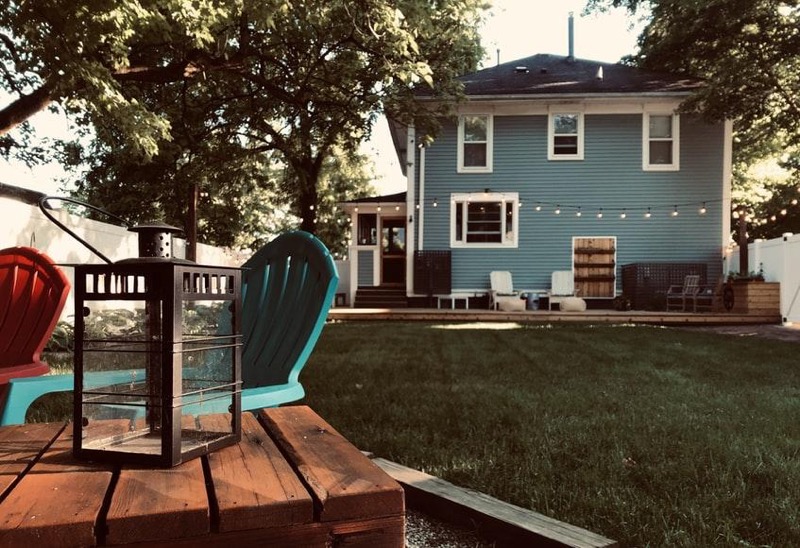
Whether you own or are buying an older house, you always have the opportunity to create a stylish and luxurious home. Transforming older homes with simple renovations is a great way to preserve and improve the character and charm that cannot be replicated in brand-new builds.

The work you put into an older home is well worth it, and here are four renovation tips to try as a starting point.

Tip #1: Check and improve the plumbing and wiring

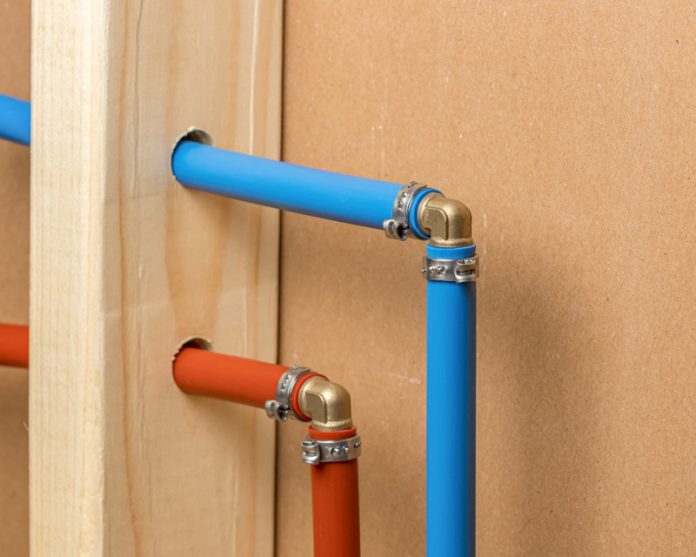
It’s not as fun or glamorous, but working on the plumbing and wiring is important. You likely have pipes and wiring that may need replacing, and this is especially the case if your water is cloudy or rusty or the water pressure is lacking.

Old wiring is a particular concern, especially if the electrical outlets are not properly grounded. Upgrade the electrical box so it can support a safety switch to minimize the risk of electrical fires and shocks. This must be completed by a professional electrician as we do not recommend any DIY electrical work.

While working on these elements, this is a great opportunity to upgrade certain components to smart tech, turning your old home into a connected smart home.

Tip #2: Improve the roof and windows

If your home is or was a rental, and you had high-quality property management, they likely kept on top of any noticeable structural issues. But it’s the unseen stuff that can cause the most damage. Check to make sure the windows are still in good shape, and refinish them to avoid replacing them. If you are happy to spend a little more, you can create greater energy efficiency by replacing them with modern double-glazed windows.

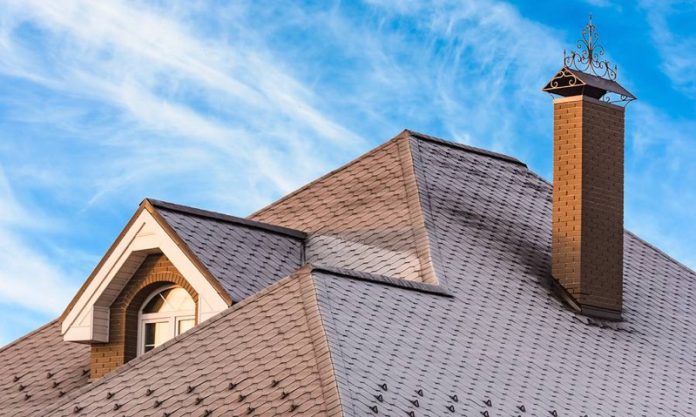
The roof may require some fix-ups to avoid leaks, and if you notice that the mortar is crumbling and falling out, this is an easy DIY fix to help save bigger problems down the track. If, for any reason, you are not confident when dealing with renovations for major structural components of the home, enlist the help of a professional renovator.

Tip #3: Do a little decorating

There are some important things to consider with styling and decor in an old home. The first is that you should preserve original features where possible, especially when painting, by working around the historical architectural features. If anything, you should try and accentuate these with color.

Lead was commonly used for interior and exterior surfaces back in the day, especially on window frames and doors, gutters, and other metal surfaces, so try to cover any hazardous areas with latex paint.

When decorating an older house, think about how old meets new by mixing different styles. This is already a trend in contemporary home décor, and you likely have some great historical features in the home that will be a great starting point for modern feature additions to make the place more functional and reflective of your personal style.

Tip #4: Improve the ventilation

Is there a ventilation system, and does it work? How is the cooling and heating system in the home? If the existing system still holds up, repair and maintenance work will be much cheaper than a new system, but your ventilation and HVAC are an investment. Spending some money here to improve your system makes your home more comfortable and more valuable if t ever comes time to sell.

Have fun (and check for asbestos)

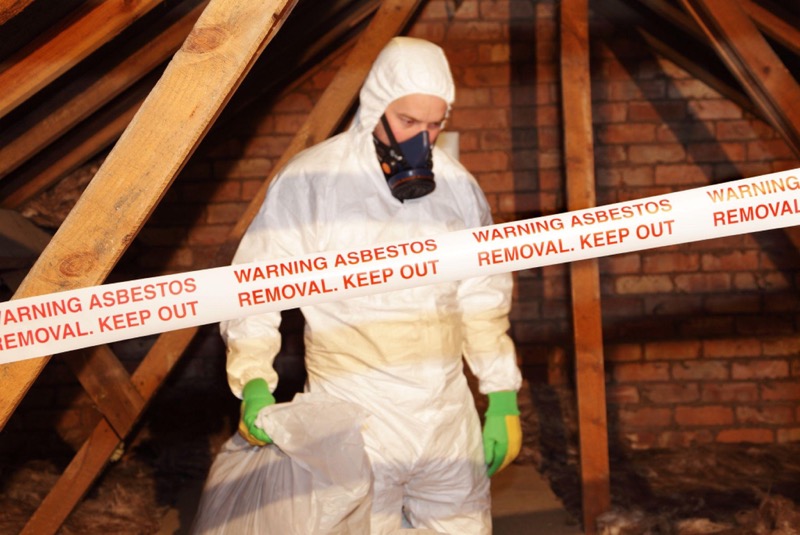
A professional building inspector who checks for asbestos is always a good idea when dealing with old houses. If to remove and dispose of some, make sure this is handled by a professional. Safety first, after all!

Consider the tips above, embrace the experience of working on your old house, and create something customized and unique. Try not to rush, and you’ll eventually enjoy the satisfaction of conserving and improving a refreshed piece of history for many years to come.


How to Start House Sitting and Pet Sitting Businesses

If you’re looking for a way to make some extra money, one option might be house sitting and pet sitting. House and pet sitters are responsible for caring for residential properties and pets while their owners are away. Some professional house sitters and pet sitters work part-time while they hold down their day jobs; others do it full-time as self-employed entrepreneurs.

This article will explain what it means to be a house sitter or pet sitter, how much you could earn doing the job professionally, what kind of equipment you need to get started, and more. This also included practical tips from seasoned professionals who have been in the business for years and tips that will help you get started quickly with your own business. If this sounds like something that would interest you, below are some tips to get started.

1. What to Consider Before You Start

House sitting is a service where you’re paid to stay in someone’s home while they’re away. You’ll keep an eye on the house, pets and property while they are away on vacation or business trips. The owners may also want you to do some light maintenance work around their house in return for your services (such as watering plants and taking out the trash). However, if you want to become a house sitter, you should know that house sitting can be personally rewarding and financially lucrative, but it does come with its own risks and challenges that need to be considered before starting up this venture as a business.

2. How to Start House Sitting Business

The first thing is to do your research. There are many house-sitting websites, but not all of them operate within the same geographic area. The first thing you’ll want to do is find one that’s based in your neighbourhood or town and take a look at their listings. If there aren’t any matches, consider checking out some other sites as well there are over 10 different options available online. Another step is to write an attractive description of yourself. Your profile should be clear and concise, including information about the type of property owners love receiving from sitters (like references), as well as some personal details (such as your family situation). Be sure to highlight any relevant skills or experience related to house-sitting jobs by providing bullet points at the end of each paragraph so potential clients can quickly scan through everything before contacting you directly via email/phone number provided in the bio section.

3. How Much Can I Make?

How much money you can make depends on the type of house you sit in. For instance, a two-bedroom apartment will probably pay less than a five-bedroom house with a pool in the backyard. It also depends on whether or not pets are involved and how many pets there are. If it’s just one dog or cat, then as long as they aren’t destructive and are easily trained, then that would be easy to handle so that could earn you some extra cash too.

4. Finding Your First House-Sitting Job and Getting Paid

If you want to get paid for house-sitting, you’ll need to find a house-sitting gig. The best way to do this is by creating a profile on websites for housesitters. These sites have free accounts that allow users to post their profiles and look for housesitting jobs in their area. Once you have your profile set up, it’s time to start searching for house-sitting opportunities.

Once you’ve found a house-sitting opportunity, it’s time to negotiate payment terms with the client. Most people will offer one of two options: either paying per day or paying per week. For example, if the client pays $25 per day and wants coverage seven days per week (weekends included), they’ll pay $175 total or around $3 an hour for your services as a house sitter.

5. House Sitting is Sometimes Hard to Be Successful

House sitting is a great way to make money, but it takes some hard work to find a house-sitting gig and even more work to be successful. The more you do, the more you will learn. You may come across a few issues that can be easily solved with some research and practice. For example, if your client has an automatic sprinkler system that’s set on a timer or an automatic pool cleaner that runs in the early morning when they’re not home, then it’s best if you get in touch with them beforehand so they can adjust their settings accordingly or make sure someone will be home at night when these devices are running.

Conclusion

If you’re interested in starting your own house-sitting business, there are a few things to consider before getting started. First, you need to make sure that the job will fit into your lifestyle and schedule. Second, you want to make sure that the homeowner is trustworthy so that they won’t go off without paying or stealing anything while they’re gone. Finally, if it all works out and you find someone who needs help organising their home while away on vacation or work trips then congratulations. You can now start making money by caring for other people’s houses and pets while they’re away.

Three Benefits of an Electric Fireplace

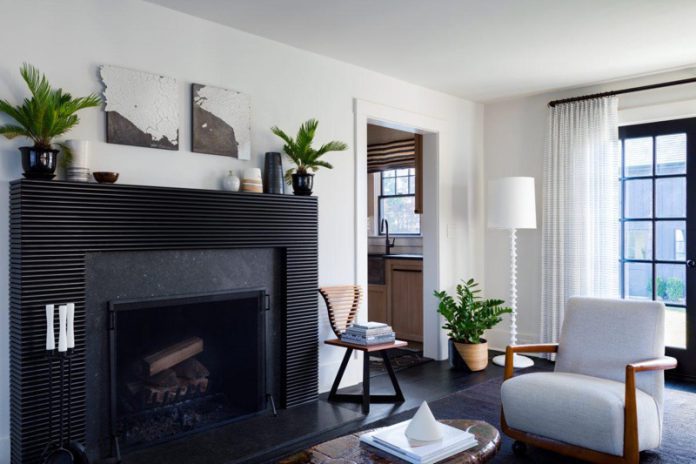
There’s nothing quite like a fireplace for cozying up next to and adding comfort and ambience to your home. With an electric fireplace, you get to enjoy the benefits of a wood-burning fire without the mess, and an electric fireplace also adds to your décor, elevating the style of your space.

While there are multiple designs and options to choose from when deciding on the right electric fireplace for your home, narrow down your search and shop Dimplex fireplaces. You need the peace of mind that comes with knowing your electric fireplace is safe, reliable and has a long lifespan, and Dimplex fireplaces are leaders in fireplace and heating solutions. They also have some of the most innovative and stylish electric fireplaces on the market.

With the right electric fireplace, these are just a few of the benefits you’ll enjoy:

Easy Installation

Many electric fireplaces can be plugged into a standard electrical outlet, meaning they can be placed almost anywhere and don’t require a renovation. Even units that need to be hardwired to a circuit only require minimal work to connect to your home’s internal wiring.

An Electric Fireplace Adds Style to Your Home’s Décor

Whether your home has a modern, classic, traditional, art deco, etc., design style, there are electric fireplace options and customizations that will blend seamlessly in with your decor. In fact, an electric fireplace can enhance and/or help form the style in your space as either a focal point or an integral piece of its overall look – while also making it an inviting and comfortable space.

For example, if you prefer the traditional fireplace esthetic, you can go with a mantel-electric fireplace unit in a wood, stone, brick or crown molding finish, and the fireplace and mantel will complete your traditional, rustic or elegant look.

On the other hand, if your space has a modern design style, an in-wall linear electric fireplace with glass pebbles and color-changing flames can be the centerpiece of the room, either by itself or as part of your entertainment center, and will establish the modern esthetic of your space.

Energy-Efficient Heating

An electric fireplace is also a source of adjustable heat that you can use to supplement your central heating system. Like a space heater, you can turn on your electric fireplace and keep your thermostat set at a minimum so that you’re only heating rooms that are being occupied instead of your entire home. This is a more cost- and energy-efficient way to heat your home. You can also install an electric fireplace in an area of your home that is difficult to heat, like a basement.

Safer and More Eco-Friendly Than a Wood-Burning Fireplace

Electric fireplaces have the following advantages over wood-burning fireplaces:

  • Electric fireplaces have adjustable temperatures.
  • You don’t need firewood, kindling, a lighter, etc., which is not just a chore but also uses up valuable natural resources.
  • There is no cleanup of ashes, soot and embers, or the need for professional cleaning and maintenance of your chimney.
  • Electric fireplaces do not emit harmful emissions like carbon dioxide, methane, nitrous oxide and smoke.

An electric fireplace also allows you to turn off the heat and enjoy the alluring glow of its realistic-looking flames any time of year.

Exterior Home Design Trends in Atlanta

The fact that homeowners are prepared to take on all of the newest exterior design concepts is not surprising. After all, the exterior of the homestead sets the overall tone, so it must be well-kept and properly designed. In addition to contributing to property value, curb appeal is crucial for fostering an environment and way of life that are suited to all of the house’s residents.

The top exterior home design trends in Atlanta provide a number of options for improving the outdoor area to give it a distinctive personality. These suggestions provide different viewpoints on exterior home improvement, and they also have one thing in common: they’re all concentrated on enhancing the functionality and stability of the structure.

Gutters

If you want to completely modify and remodel your gutters, your best bet is to always seek out the greatest service providers and make sure to connect with the best gutter installation Atlanta-based contractors. Gutter installation is crucial for preventing water damage to your home if you reside in Atlanta, Georgia, where thunderstorms and torrential downpours are frequent occurrences.

So, guttering is not only trendy in Atlanta but also necessary. The relevant gutter trends revolve around their color and the most popular ones in Atlanta include dark bronze or musket brown gutters. Install a new guttering system in these colors and you will surely be up to date with the Atlanta trends.

Every homeowner needs to make sure their guttering system is always functional. To achieve this, you need to do proper maintenance of your guttering pipes and repair them if necessary. If your guttering system is older than 10-15 years, it may be best for you to change it instead of repairing it whenever the seasons change.

Windows

Making sure your home has the best windows is a wise move. Windows are the source of light in the home while also providing insulation from the outer world. Homeowners in Atlanta are opting for the best windows to keep the air humidity out of the comfort of their homes.

If your home is as humid as it is outside, even though the HVAC has been running every day, then that might mean your windows are leaking. Nowadays, the windows market is really diverse and provides many different options for improving the overall quality of living.

This year’s trend in Atlanta’s neighborhoods is to upgrade your windows with sliding barn doors or the classic wood shutters. Consult with a professional to state your requirements and choose the best windows and shutters for your home. After all, window shutters provide further comfort and safety besides being trendy at the moment.

Roofs

One of the most important building blocks of a house is its roof. Every type of roof is great, depending on your taste, because they all have one purpose – not to let water, sun, wind or anything from the outside in. The best thing about roofs is that they come in every shape, size and color.

You can choose the type of roof you want ranging from roof tiles that can be made with various different materials to aluminum in every color. Low-pitched roofs, clean lines, combining different roofing materials and styles, and metal roofing in shades of black, chrome, gray, and bronze are some of the latest trends in Atlanta.

If your roofs are leaking, that can cause you a lot of trouble. Consult with a professional whether to repair the holes in your roof or if you need to maybe replace a great part of it. This may cost you more money, but it’s a wise investment and also highly necessary for the safety and comfort of your home.

Facade

The harmony of heating and cooling in your home will be affected by an outdated or deteriorated facade. You must enhance insulation if you don’t want to raise the energy usage in your house. In fact, the external walls of older homes are the best places in your house to install insulation.

We can’t talk about facades without mentioning the color of it. The trendiest colors to paint your house in Atlanta include vibrant greens, navy or earthy neutral tones. If you wish to repaint your home in the trendiest way, choose some of those shades.

Final thoughts

The functionality of the exterior of your home should always come first. The security and comfort of your home depend on the quality of the exterior elements of it. The best thing about new trends is that you can incorporate your own style while also being in line with what’s popular. Just remember to concentrate on the functionality of the exterior of your home. This way you will have a home that’s both highly functional and stylish.

When was Asbestos Banned in Houses in Canada?

For some home and building owners just the word “asbestos” can raise a worrying eyebrow and for good reason. But knowing the exact history of asbestos can be a little murky to sort through on your own. Most of the general population believes that asbestos was phased out all the way back in the 1980’s but that is only partially true.

It wasn’t until December 30, 2018 that the official Prohibition of Asbestos and Products Containing Asbestos Regulations (SOR/2018-196) came into full effect. But to help put home and property owners’ minds at ease, we will go through a full breakdown of when asbestos was banned in Canada’s housing market.

Chances are if you’re here reading this article, you have some inquiries centred around asbestos. The first thing you should do is not wait to get your home or property inspected if you believe asbestos may be present, this is especially important for homes and properties built before 1990. A hazardous materials consultant will be able to test effectively for asbestos and let you  know the best course of action going forward.

When was asbestos banned in Canada? 

Asbestos was heavily used in Canada and North America until 1979. Beginning in 1979, the Canadian government introduced and implemented a number of regulations and measures to try and reduce the use of asbestos. Because asbestos had such widespread popularity in the early 1900’s for its’ heat resistance, tensile strength, and insulating properties, it was vastly used and popularized in construction and commercial sectors.

After 1981, there was a sharp decline in the number of materials containing asbestos. But it’s important to keep in mind that during the post-war period (1945-1970) was at its prime manufacturing peak with over 3,000 documented asbestos products being produced.  Even though the manufacturing of asbestos products was banned in 1979, the sale of remaining stock was still allowed. This created a big spike of asbestos use in the late 70’s until the mid 80’s. Even now, asbesto is still potentially present in any structure that was built in the early 1900’s until the 1990’s.

Prohibition in Canada

It wasn’t until 2018 that the Asbestos Prohibition fully passed regulation prohibiting the import, sale and use of asbestos as well as the manufacturing, importing, selling and use of asbestos-containing products. There are some exclusions made within this prohibition act though for the military, nuclear industry and chlor-alkali facility though. These regulations effectively prevent new asbestos and asbestos-containing products from being imported or exported in the Canadian market. Although this prohibition is a step in the right direction and great news for Canadians, it doesn’t fully resolve existing problems with homes and properties with asbestos.

What does asbestos look like in houses? What are the signs of asbestos in a house?

Since asbestos was once hailed as the “magic mineral” is ws primarily used as insulation in walls and roofing but was also used to strengthen plastics and cement.

Products that contain asbestos were in use beyond 1990 and even into 2000’s and could be included in certain household products like:

  • Loose vermiculite insulation
  • Textured paints like stucco or even popcorn ceilings
  • Cement pipes
  • Ceiling and joint compounds
  • Various types of sealants, adhesives and caulking
  • Caulking around window or door frames and on metal flashings
  • Roofing applications such as siding and roof tiles
  • Matics in roof application

How do I know if my home or property has asbestos and what should I do?

The best recommendation is to hire a hazardous materials consultant to come out to take samples of possible asbestos-containing materials and then complete the required testing. If you believe you may have asbestos present in your home or property, it’s strongly recommended not to remove the material or disturb it. Asbestos exposure can harm your lungs and respiratory system if inhaled.

For homes or properties built before 1990, the best thing you can do to protect from asbestos is have it professionally tested for asbestos. Generally speaking, if left undisturbed asbestos doesn’t present a significant risk of asbestos exposure during normal occupancy and  mainten. However risk of exposure to asbestos increases if the material is disturbed by enovation or certain activities.

What to Look for in a Renovations Company

A house is often deemed as a secure and comforting sanctuary for all homeowners, a space they want to further secure and improve its functionalities through varying degrees of renovations. When you desire the help of a team of professionals with your renovations, homeowners want a renovations company that they can entrust to repair and enhance their most precious assets. You might feel overwhelmed with the array of renovations company options that you can choose from and are unsure what factor should enable you to make a definitive decision. There are certain elements you should consider and look for when making the imperative decision to hire a renovations company to undertake your home renovations.

Find out what you should be looking for in a renovations company to help you with your remodelling project.

Experience

You’ll want first to examine the amount of experience a renovation company has. A company that has an extensive history of successful renovations can be a good indication that this company can be trusted with your own renovation project. Of course, just because they have been established for a certain amount of time doesn’t equate to quality renovations, but it is a sign that a company has to be doing something correctly if they have endured for so long. When you notice a company has an amount of experience doing renovations that you feel comfortable with, it should prompt you to at least make initial contact with them to investigate further if they would be the right fit for you.

Portfolio

Once you’ve realized a company has a sizeable amount of experience, you should request to look at their portfolio to see their previous work. Their previous work should indicate to you whether or not the company will seemingly cater to your renovation needs and provide effective modifications to your home. Take a close look at their completed projects to grasp the renovation companies’ skills. If you are unsure if these results are conducive to your renovation plans, that’s a good indication that you should move on and find another company to work with.

Price

With any renovation companies you are considering, you should inquire about the estimated cost of the entire project. While you may believe hiring a company with lower costs is worth more, that isn’t always the case and can actually work against you during complete home renovations. Lower costs can sometimes equate to lower quality tools and less qualified renovators on the team, which can cost you more if they damage your home or do only subpar renovations. Because of this risk, you should be wary of a renovation company that offers you a very low price. Instead, find an affordable renovation company within your reasonable budget, but remember that there will be a substantial cost if you want quality work completed.

Reviews and references

Take the time to read past reviews of a renovation company that are typically available online. Read the lowest reviews, if there are any, and understand what certain renovation companies’ faults and flaws might be. You should also ask for references from previous homeowners who hired a renovation company and ask them a list of questions that are most pressing to you. Ask questions that may include:

  • Were you happy with the work that was completed?
  • Were there any glaring issues in the completed renovation?
  • How long did the renovations take?
  • Was the communication clear and constant with your contractor?
  • How did the renovations team respond to any criticisms or questions?

Reputation

If you know the company you want to hire has an extensive history of renovations and is considerably well known, it is worth delving into their perceived reputation around your area. Ask around by inquiring about the company to friends, family, and coworkers to find out if they have built a good reputation based on their renovation successes or if they are known for comprising structural integrity for a quick turnaround.

How you feel

Finally, before hiring any particular company, you should base your decision on your feelings about the renovation companies you have contacted. It is easy to overlook nagging feelings and slight warning signs that bubble up and assume they are overreactions, but you should pay attention to these feelings if they are persistent.

Pex A vs Pex B Pipes: What’s Better?

Nowadays, there are various materials you can choose from for your plumbing pipes. Gone are the days when plumbers only needed to work with lead pipes! The popularity of PEX pipes has become more apparent nowadays since you can find them in any home improvement store.

Yet, did you know that pex pipes aren’t all the same? Notably, you can choose between PEX A and PEX B pipes. In which case, what makes these two PEX pipes so different?

Learn their differences to understand which one would be the best for you!

What Are PEX Pipes?

Before you understand the difference between PEX A and B pipes, it’s good to know what PEX pipes are generally. Known as cross-linked polyethylene (PEX), it’s a flexible plastic with various utilities. You can use PEX pipes in building services, pipework systems, hydronic radiant heating and cooling systems, domestic water piping, and insulation for high tension electrical cables.

A PEX A Pipe

Known as the Engel method, PEX A pipes are made by introducing peroxides (a form of oxygen) to the HDPE before forming it. This addition is imperative since it enables more bonding at an atomic level. As a result, PEX A pipes have the highest degree of cross-linking.

A PEX B Pipe

In contrast, PEX B pipes are formed using the saline or moisture cure method. Alternatively known as steam or moisture cross-linking, the process of PEX B pipes is made after the HDPE is extruded into the tube. Once gone through steam, the presence of a silane catalyst encourages the polymers to form cross-links.

How Do They Measure Up?

When comparing PEX A and B pipes, there are certain criteria to be considered to distinguish their pros and cons. See how they stack up against one another to see which pipe type is the best!

In Terms of Flexibility

Interestingly enough, despite PEX A and B pipes coming from the same material, their level of flexibility differs vastly. Since PEX B isn’t expandable like PEX B, its flexibility is greatly limited. PEX A is repaired easily with a heating gun when pipe kinks occur since it will help it expand back to its original shape. Meanwhile, PEX B wouldn’t be repairable, and you would need to cut it out and then start over.

Regarding the Overall Cost

PEX A and B pipes can vary in price depending on how much you need and installation and labour costs. However, when you compare the two PEX pipes, PEX B would be less expensive. The reason is that PEX B’s material is made from cheaper material, and the tool needed for it to be installed costs $150. Meanwhile, PEX A pipes are pricier, with the tool required for it costing $250.

The Ease of Flow

These PEX pipes differ significantly based on their fitting style and how it effectively works regarding flow restriction. With Pex A, they use an expansion tool to enlarge the pipe and sleeve to allow them to slide in the fitting. It’s expandable due to the material’s memory, which shrinks back to its normal size while tightening snugly around the fitting. As a result, there is no risk of flow restriction because it fits the same diameter as the pipe. It’s what makes them ideal for tight places.

Meanwhile, it’s easier and faster to fit since it doesn’t require an expansion tool. Instead, after inserting the fitting into the pipe, it’s fastened securely with a copper sleeve using a simple crimp tool. However, PEX B’s smaller size downsizes the pipe’s diameter at the joint. Consequently, it causes resistance to flow and a decreased volume of water to the fixtures in your home.

Level of Environmental Adaptability

Before finding the ideal one, you need to consider how one of these PEX pipes handles certain environmental conditions. It will take longer for PEX A pipes to shrink to their original size in colder environments. But for PEX B pipes, they’re good under cold or hot weather when fitting them.

Beyond how they respond to fitting in certain conditions, they do handle colder weather in general quite differently. In cold weather that can cause pipes to burst, PEX A is better for resisting pipe bursts since it’s a more malleable material, while PEX B is more rigid, which won’t be as effective.

Despite PEX A and B’s similar makeup, what these two pipes can do is quite different. In essence, it seems PEX A is the best in comparison if you’re looking for a reliable and versatile pipe.

The Basics of Chimney Cleaning: Why It Is Important

A chimney is an integral part of your home. Not only does it provide a place for your fireplace to vent, but it also helps keep your home warm and safe. Therefore, it’s essential to have your chimney cleaned regularly to ensure it functions properly and safely. This blog post will discuss the basics of chimney cleaning and why it is so important!

What is Chimney Cleaning?

You may not think about it often, but your chimney needs to be cleaned regularly to function properly and keep your home safe.  Chimney cleaning is the process of removing soot, creosote, and other debris from your chimney.

This buildup from regular use can be dangerous if it ignites and can cause a house fire. Two types of fireplaces are in homes: gas and wood burning. Both fireplaces require annual maintenance and pose different dangers regarding fire risks.

What are the Risks of Wood and Gas Burning Fireplaces?

Wood burning fireplaces produce a lot of smoke when in use. This smoke contains Carbon Monoxide, Tar, Soot, and Ash. These byproducts float up the chimney and can adhere to the sides. Over time, this buildup becomes Creosote, which is flammable and increases the risk of house fires if not removed.

Gas fireplaces do not produce smoke but still need regular cleaning. The byproducts of gas combustion are different than wood-burning fireplaces, but they can still adhere to the sides of your chimney and cause problems. Newer gas installations still utilize old chimneys, while more recent structures are vented from the side and don’t use the chimney.

Why Is Chimney Cleaning Important?

Chimney cleaning is essential for several reasons. First, it removes any potential fire hazards from your home. Second, it helps keep your chimney functioning properly. And third, it can extend the life of your chimney. Finally, regular chimney cleaning will also help you avoid costly repairs down the line. So, not only is it essential for safety reasons, but it’s also crucial for financial reasons.

How Often Should You Clean Your Chimney?

You should have your chimney cleaned at least once a year, but more often if you use it frequently. For example, if you have a wood-burning fireplace, you may need to have it cleaned more than once a year. The best way to determine how often to clean your chimney is to have it inspected by a professional. While the inspector is there, they will do more than observe the Creosote buildup; they will also check the chimney structure for obstructions, water damage, or cracks.

What to Expect With Chimney Cleaning Services and the Cost of These Services

Like most professional services, the cost of chimney cleaning services will vary depending on the company you choose, the frequency of your cleanings, your location, and the condition of your chimney. However, most companies will charge a flat rate for a standard cleaning. This rate usually includes an inspection and all the necessary materials and equipment.

You should expect to pay approximately $129-$378 for a chimney sweep to come to take care of your chimney issue. The national average for chimney cleaning services is $252; however, your area and the condition of your chimney primarily affect those numbers. Most of the time, companies will do the chimney inspections for free. Cleanings usually consist of:

  • Sweeping the fireplace
  • Checking the liner
  • Checking the flue
  • Checking the firebox
  • Checking the flashing
  • Checking the smoke chamber

Chimney cleaning services can be a simple process. However, if the chimney cleaner believes there is structural damage to your chimney, they will most likely charge for the inspection as they thoroughly inspect each part of the structure. Once a problem is found, the examination can cost anywhere from $100 to $5,000. Why are chimney services potentially expensive? The potential depends on your inspection rate; if you’ve never got your chimney inspected, it will cost significantly more than if you have it checked regularly.

Common Repairs During Chimney Cleaning Services

Leaving your chimney unchecked for a long time can cause severe and expensive problems. In addition, if you have cracks in your chimney, it could lead to water damage, one of the most common repairs during chimney cleaning services. In extreme cases, the weight of the water could collapse your chimney. Many homeowners know how to keep their fireplaces and chimneys clean, but many more need a technician to handle the problem.

Other common repairs include:

  • Chimney Flue Buildup – the flue is where most of the creosote will collect and usually where the technician will do the most cleaning. During cleaning and inspection, a technician could discover a crack that will lead to carbon monoxide seeping into your home. A cracked flue also can lead to a higher risk of your home catching fire.
  • Obstructions – creosote is the most common obstruction; however, debris from trees, dead rodents, or their nesting material can also clog your chimney. These obstructions make the fumes and smoke challenging to escape, which could lead to a fire.
  • Dirty damper – when closed, keeps the air from flowing into your home when the fireplace is not in use. A damper should be open when the fireplace is in service to allow the smoke to escape. When the damper is dirty, your chimney needs some maintenance.

Hire A Reliable Chimney Sweep in Your Area

Fireplaces are a great way to stay warm during the winter, but keeping them clean and well-maintained is vital to home safety. JCS Home Services offers chimney cleaning services that will remove potential fire hazards and help keep your fireplace in good working condition. You should take chimney cleaning seriously and need a chimney sweep who shares that sentiment. JCS Home Services offers comprehensive chimney cleaning services in Northern Virginia and will take care of everything for you.

Our company has over ten years of experience in chimney cleaning, and we’ll ensure your chimney is clean and in good working condition so you can enjoy fires all winter! We also install chimney caps to keep out unwanted visitors. At JCS Home Services, safety is our top concern, so we recommend annual chimney cleaning services. JCS Home Services is your number one choice for all your home service needs! Visit our website or give us a call at (571) 701-1018. We’re here to help you keep your home in top condition all year round!

What Is the Difference Between Fixed and Casement Windows?

Choosing between swing and fixed casement windows?

These two popular window models have their advantages and disadvantages that make them unique.

Here are the main features of these products that will help you to understand what is the best option for you.

Casement Window Pros and Cons

Casement windows is the optimal model that is suitable for almost any home.

Main advantages:

  1. Ease of use

It is achieved thanks to ergonomic rotatable handles and high-quality fittings.

  1. Long service life

Modern windows are made from vinyl that does not deform or rust.

  1. Energy efficiency

The products have an environmentally friendly seal, and the sections between the glass are filled with an inert gas. Thanks to this, you will be able to reduce electricity bills, as well as be protected from noise, dust and unpleasant odors.

  1. Wide range of designs

You can easily choose the one that will decorate your interior.

  1. Excellent ventilation

You can adjust the fresh air flow as you need it.

Of course, such products have their disadvantages:

  • Movable sashes and mechanical parts are more susceptible to wear than in fixed windows.
  • This model can cost a little more than the others.
  • The sash windows have certain size limitations. As they open wide, they can not be too large.

Fixed Casement Window Pros and Cons

A fixed window is a type of window that does not open. It is often installed together with other window constructions, and as an independent element.

Advantages:

  1. Energy efficiency

Since there are no sliding or hinged sashes, this design is much more energy efficient than others.

  1. Light

This model lets in much more sunlight, reducing the need for artificial lighting indoors during the day.

  1. Price

Such window systems usually cost less than sliding or sash windows of a similar size.

Disadvantages of fixed casement windows:

  • Since this window cannot be opened, you will not be able to ventilate the room. Therefore, it is advisable to install it where there is no need for frequent ventilation or you can ventilate the room by opening other windows.
  • You may have problems with cleaning such windows from the outside, especially if they are installed on the upper floors.
  • There are a few parts that are prone to wear out in such windows. However, if something fails, you will have to replace the whole block at once, not one particular element.

In order not to worry about how long the new window systems will last, choose the products of the Canadian brand Vinyl Light Windows & Doors. All products are made of high quality vinyl and meet all current standards. Here you will find a large selection of models for every taste and purse. You won’t have any trouble choosing the products that will decorate your home!

Top 5 Flooring Trends For 2022

Home renovations have been prevalent in the past years, and 2022 will be no exception. Most homeowners think of marble or tiles when it comes to flooring. However, there are various flooring options in the market today. While some are typical, others are not. And since flooring is the largest surface area in your home, selecting a material that complements the function and appearance of your home is critical. However, choosing an appropriate flooring style might be challenging due to the wide range of options on the market. Therefore, selecting suitable flooring will depend on your lifestyle, preference, and budget.

The advancement of technology and the quality of flooring materials encourage shifts in trending styles at a similar rate. With so many alternatives, it only makes sense to begin by knowing about the most popular flooring trends and materials on the market. Continue reading to discover the top flooring trends for 2022 and to plan your next flooring upgrade.

Carpet fitter

1. Hardwood Flooring

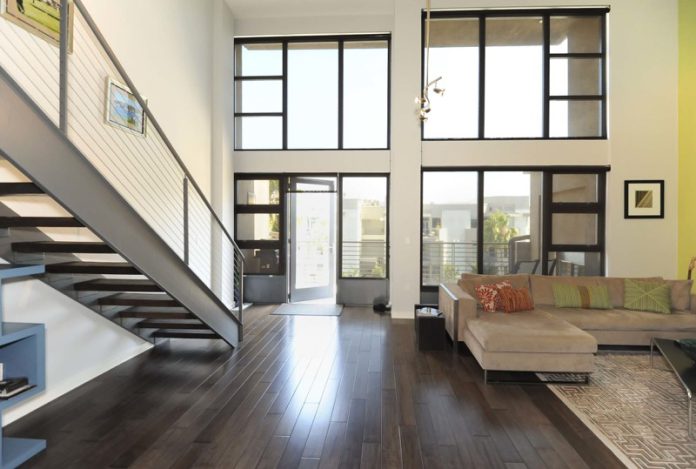
Hardwood flooring is one of the popular and most liked floor types. In 2022, hardwood flooring is projected to remain at the top of the list of popular flooring options. Many people prefer it because of its many advantages. To begin with, hardwood flooring is quite durable when adequately cared for. It’s ideal for high-traffic floor areas because it withstands a lot of wear and tear. If a section of the hardwood floor has to be repaired, just remove the worn-out boards while leaving the remainder of the floor alone. Flooring contractors Birmingham may be interested if you seek a qualified flooring expert to assist with floor installation.

Hardwood flooring requires low maintenance; unlike carpets, they’re easy to clean and don’t stain. As a result of its basic and natural appearance, hardwood flooring adapts well to a wide range of design concepts, accents, and décor elements. Adding hardwood flooring to your home can raise its market value because it is relatively expensive.

2. Laminate Flooring

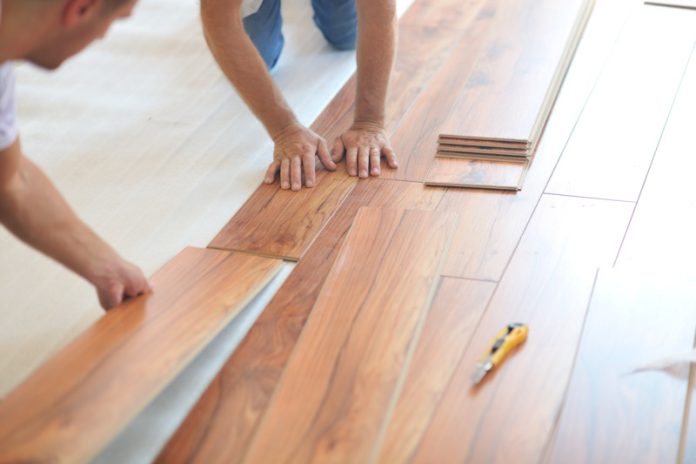
Laminate flooring is more prevalent in both commercial and residential spaces. It’s an affordable flooring option for individuals who want an alternative to a carpet but want to avoid the cost of hardwood or tiles. Laminate flooring is a floor particle board wood that can be designed to resemble other flooring options like ceramic, hardwood, marble, or tile; that’s why it’s preferred by people who don’t have the budget to install hardwood, tile, or marble flooring.

Furthermore, laminate flooring is versatile and dynamic, which complements your home’s decor. It’s affordable, easy to clean, straightforward to install, and durable if properly maintained. The fact that it is scratch resistant and available in various shapes and colors is a bonus over other types of flooring.

3. Carpet Flooring

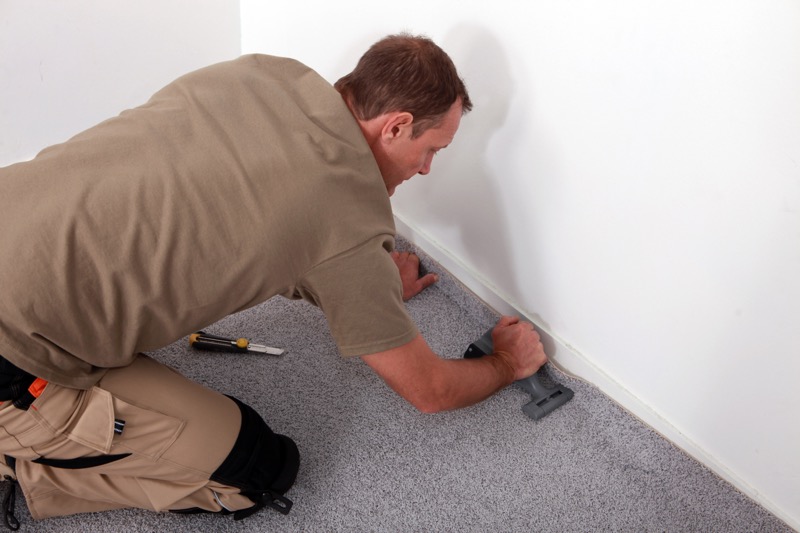
Nowadays, it is nearly impossible to find a home without a carpet. Carpet flooring is a type of textile floor covering that is installed wall to wall in a room or corridor. Carpet flooring is popular because it is inexpensive and comes in various textures, designs, and colors. Its beauty brings more attention and makes the house appear pleasant, welcoming, and relaxing.

Carpet durability is determined by the material used; the thicker the material, the more durable it is. Additionally, carpets are soft and warm on the feet and visually warm up the room.

4. Marble Flooring

Marble flooring is one of the most prestigious types of flooring available. Traditionally, these floorings were only seen in churches and royal palaces, but their popularity has recently increased, with many people installing them in their houses. Marble flooring is more expensive than other flooring options, but its elegance when installed is unparalleled, making it worth the investment.

Marble is a natural stone; therefore, it is long-lasting and allows water to infiltrate the floor. It’s also distinct and translucent, giving the house a distinctive appearance. Marble flooring is simple to maintain because it only requires sweeping and wiping regularly. Due to its price, it helps add property value.

5. Tile Flooring

Another top trending flooring option in 2022 is tile flooring. Tiles are primarily made of ceramic and porcelain and are typically used in areas prone to moisture, like bathrooms and kitchens. Tiles are preferred because they’re durable, water-resistant, and available in various styles and colors. The cost of tiles is determined by the material used. For instance, ceramic tiles are more expensive than porcelain tiles.

6. The Bottom line

There you have it! Those are some trending flooring options to expect this year. However, choosing the best isn’t as easy as looking at the most beautiful flooring. In addition, you must consider crucial factors like durability, easy maintenance, simple installation, and budget. Since a new floor is a huge investment, it’s essential to consult your flooring contractor for the best flooring option that’s suitable for your home and lifestyle.

Recent Posts

Posts You Might Like